Qingyuan
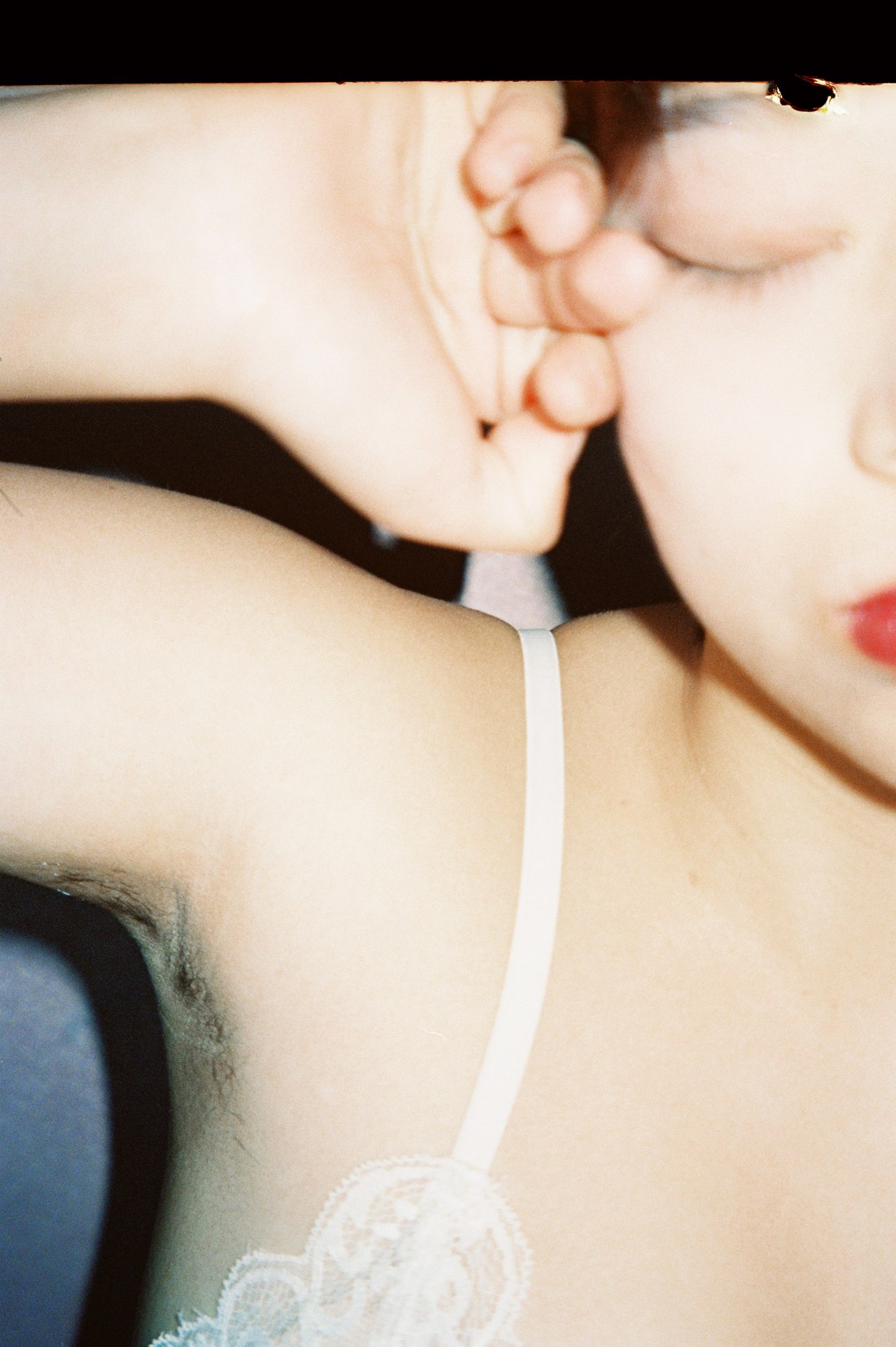
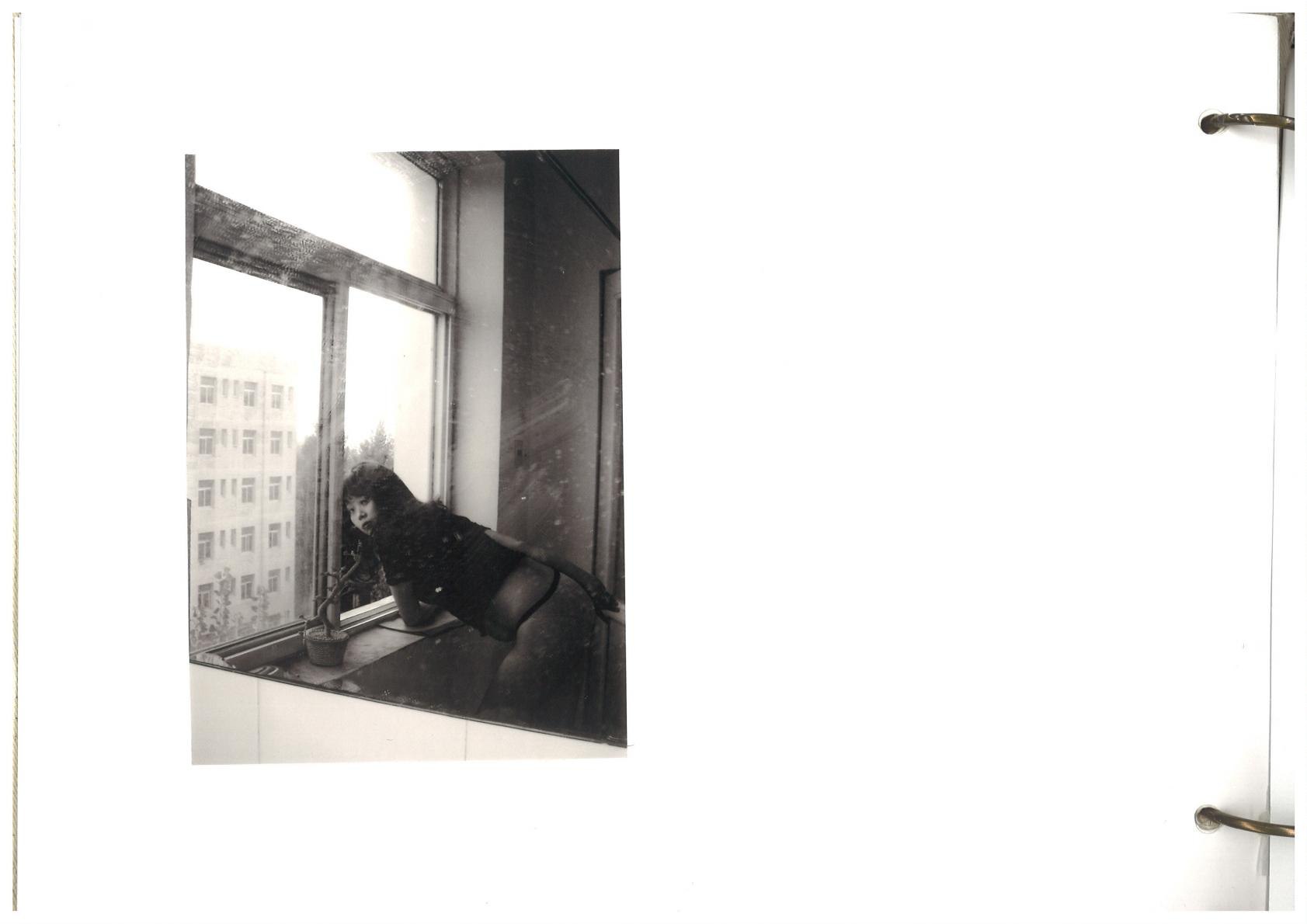
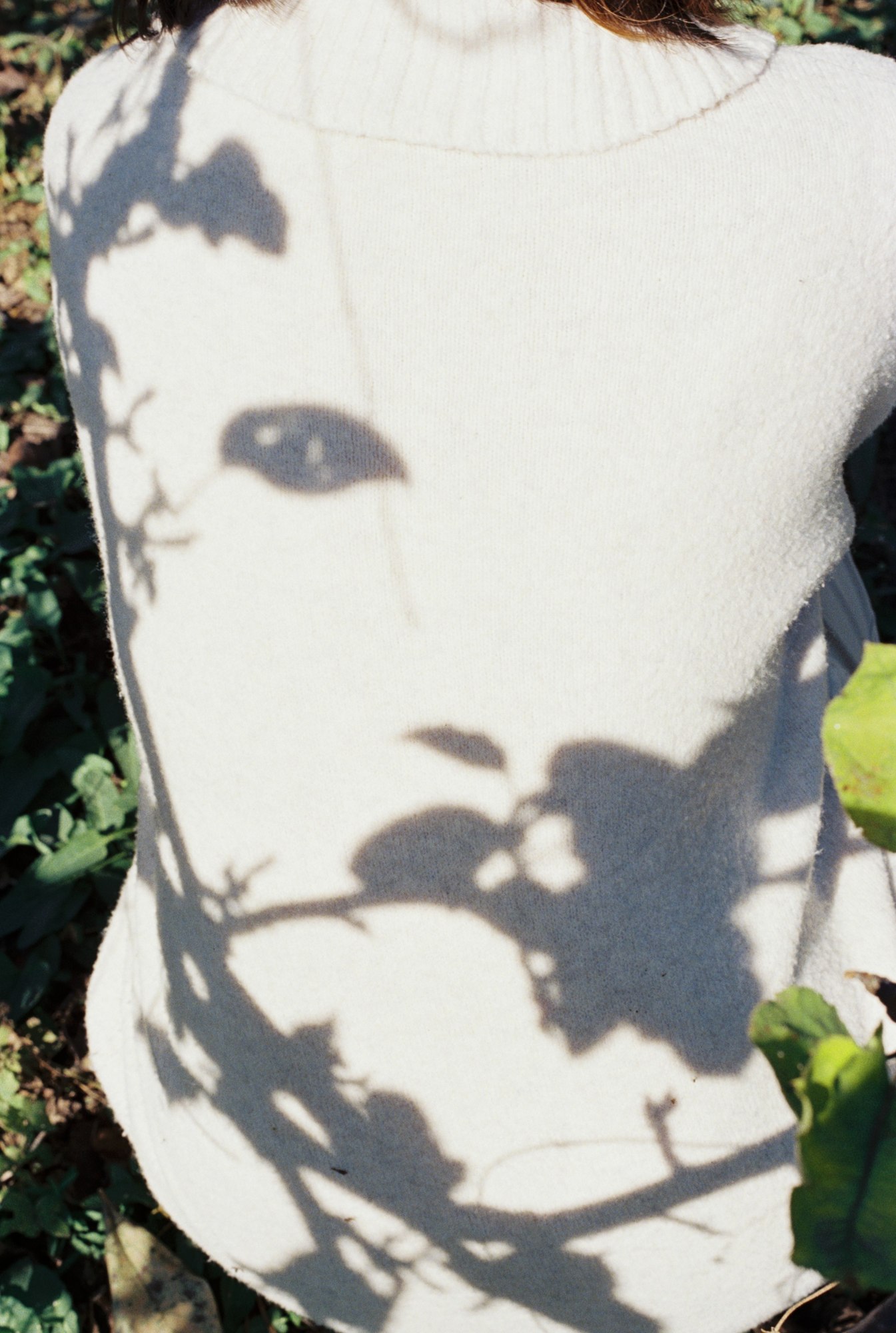
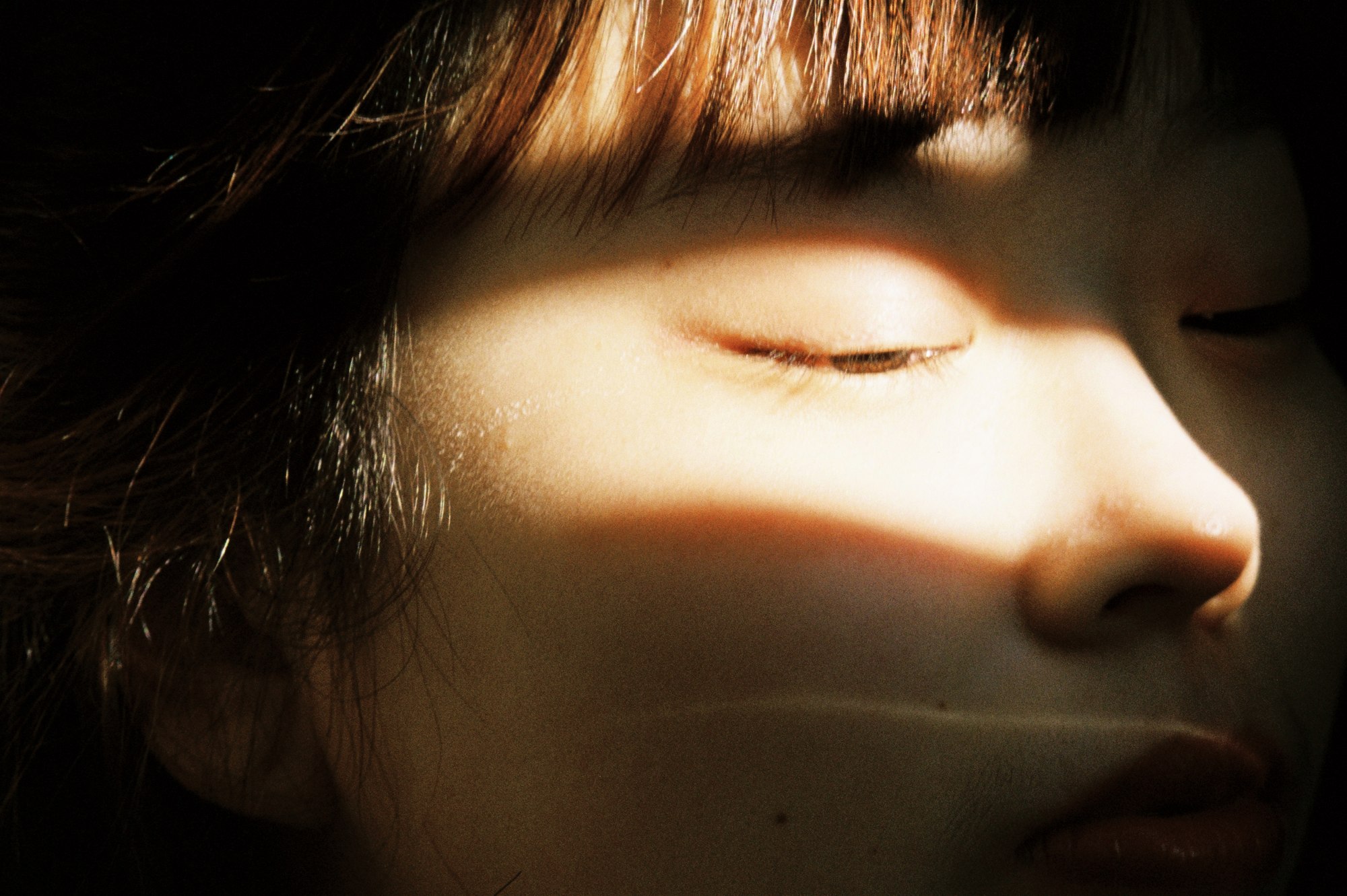
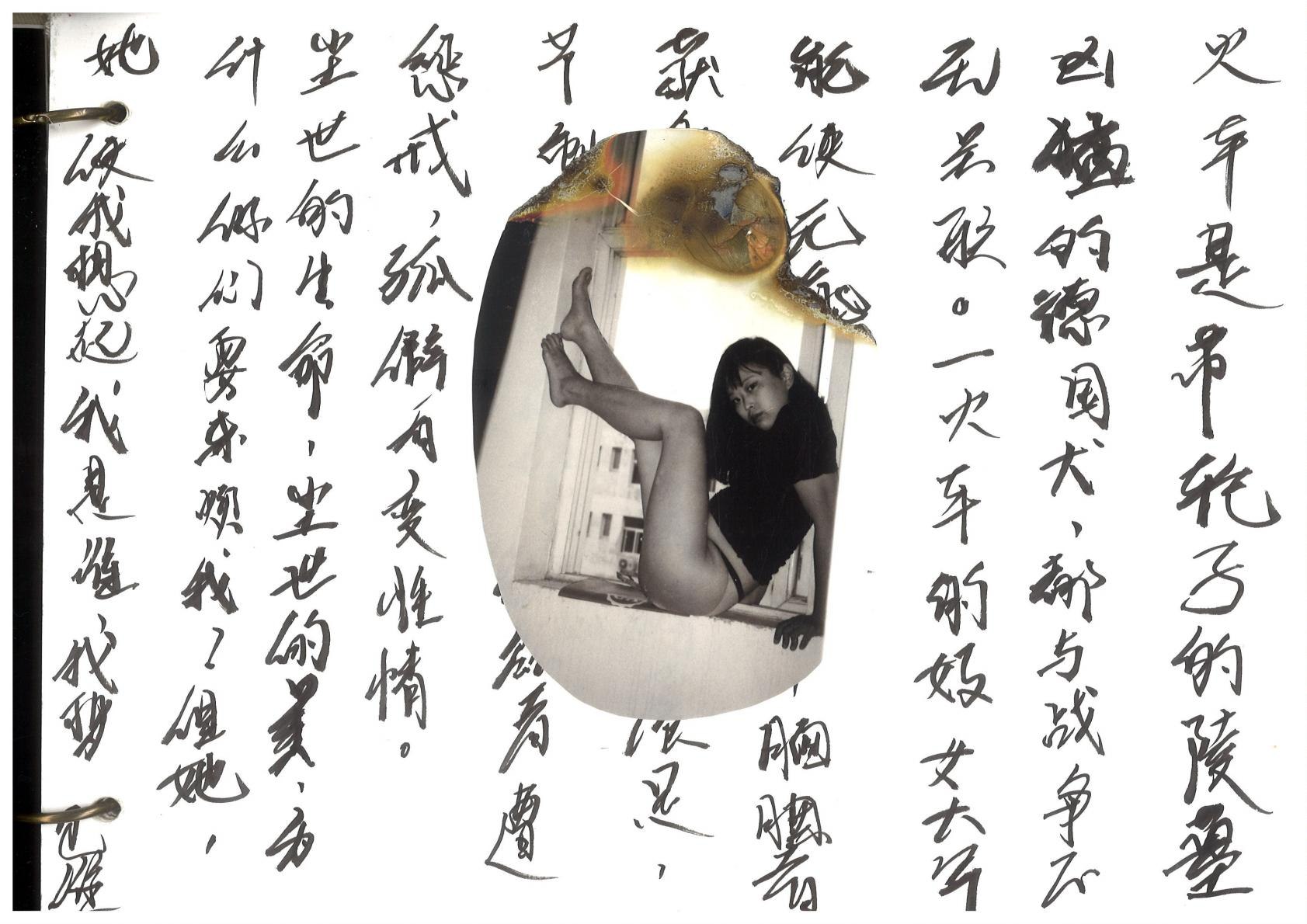
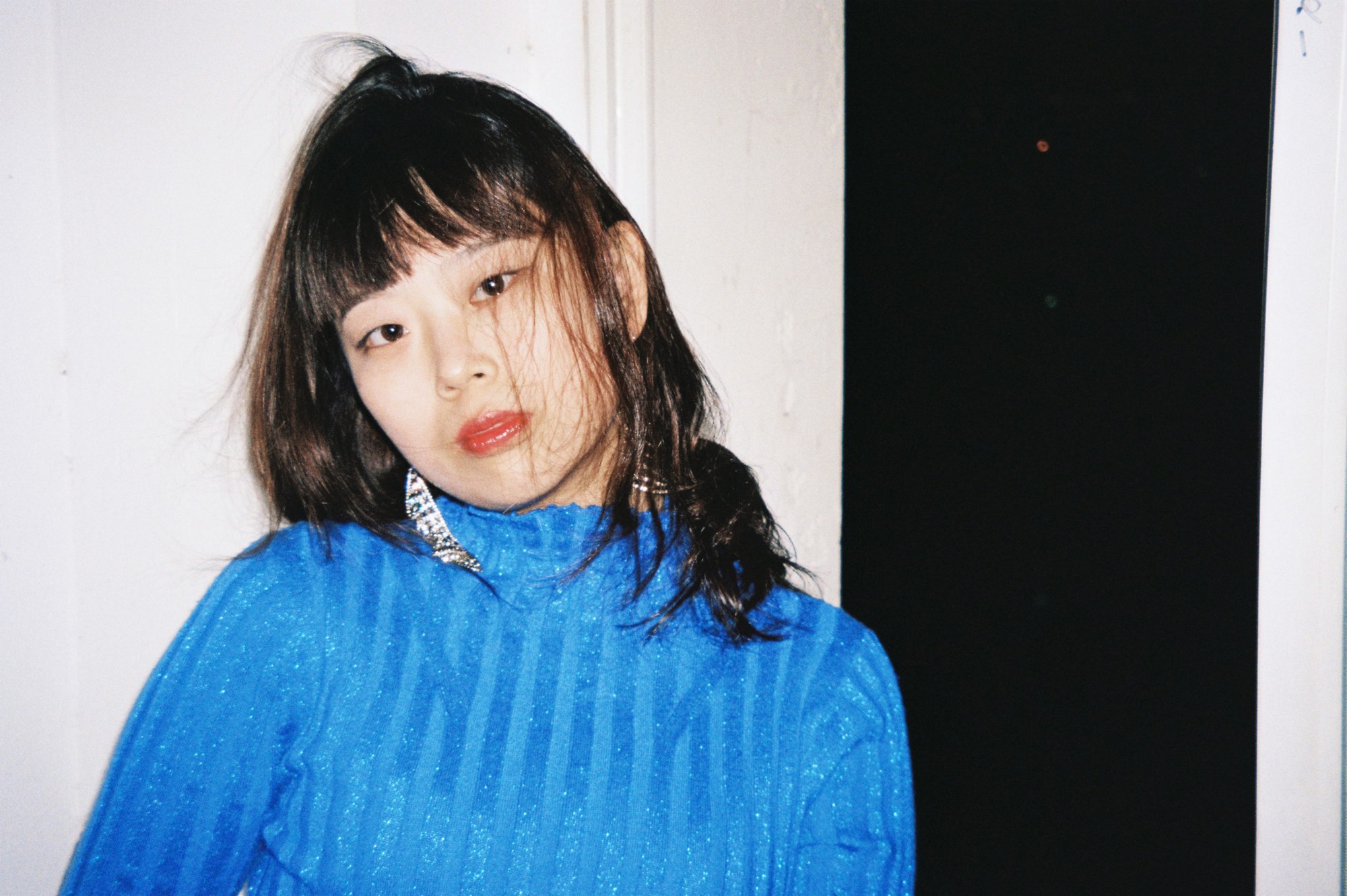
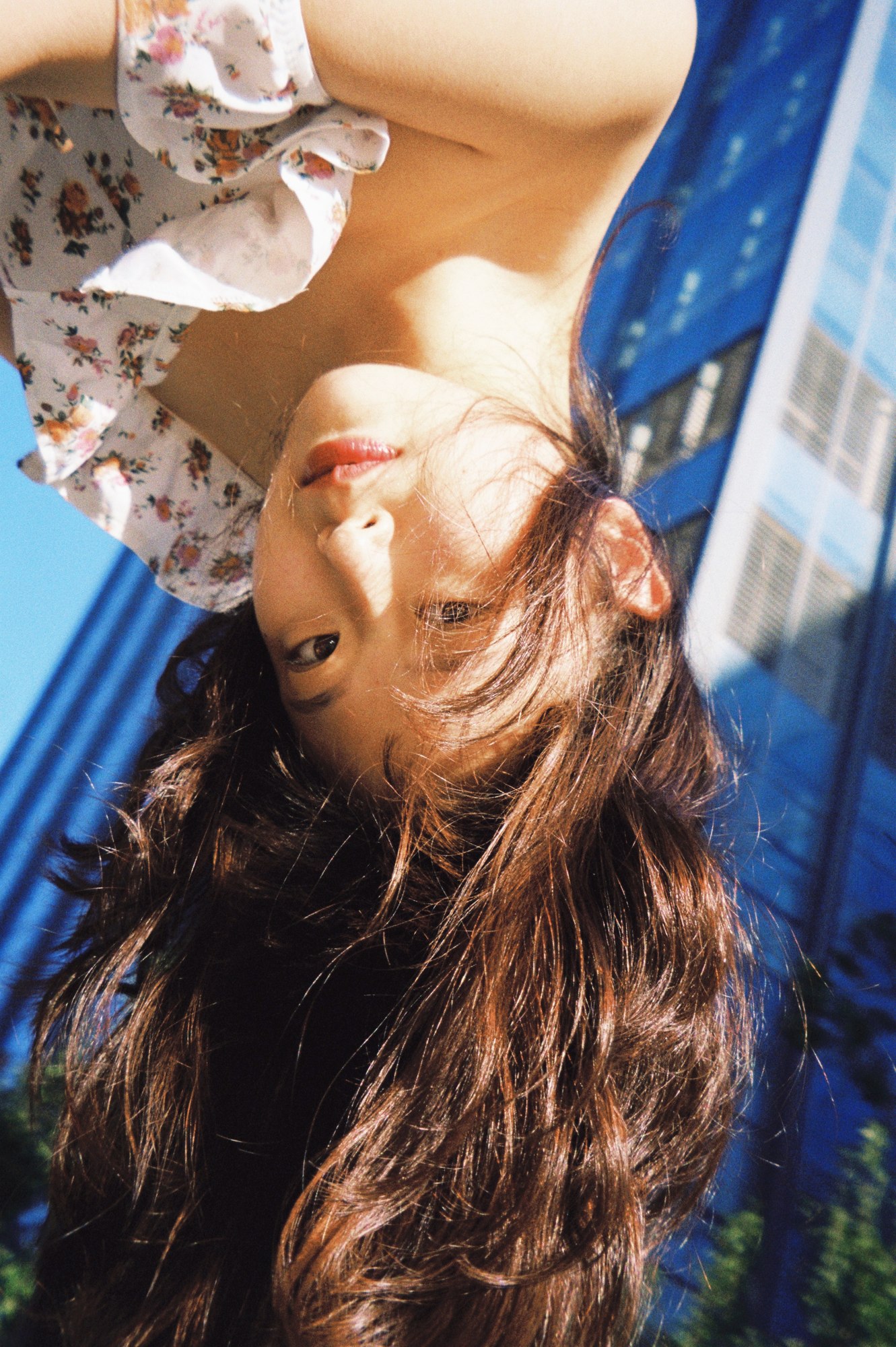

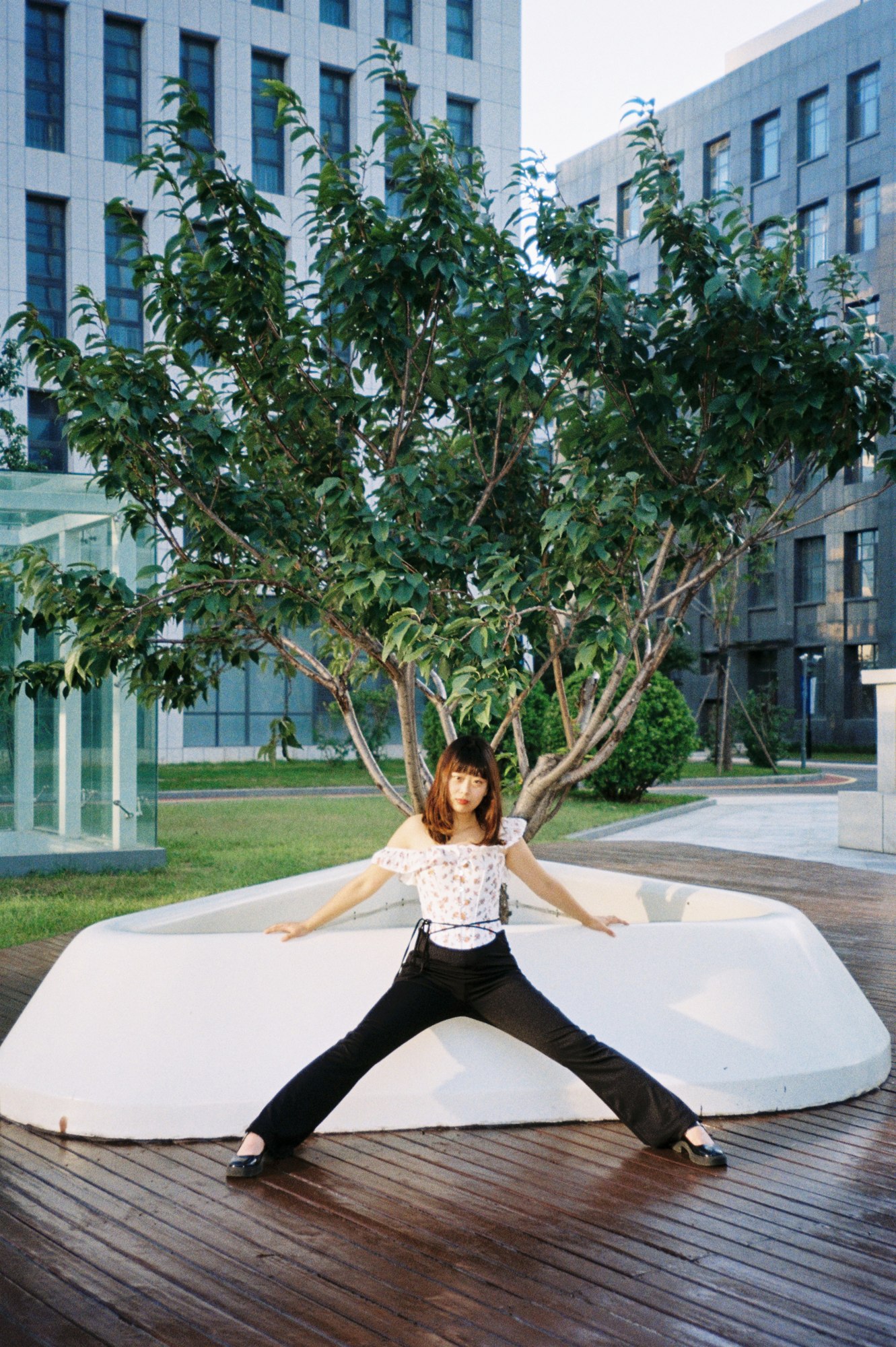
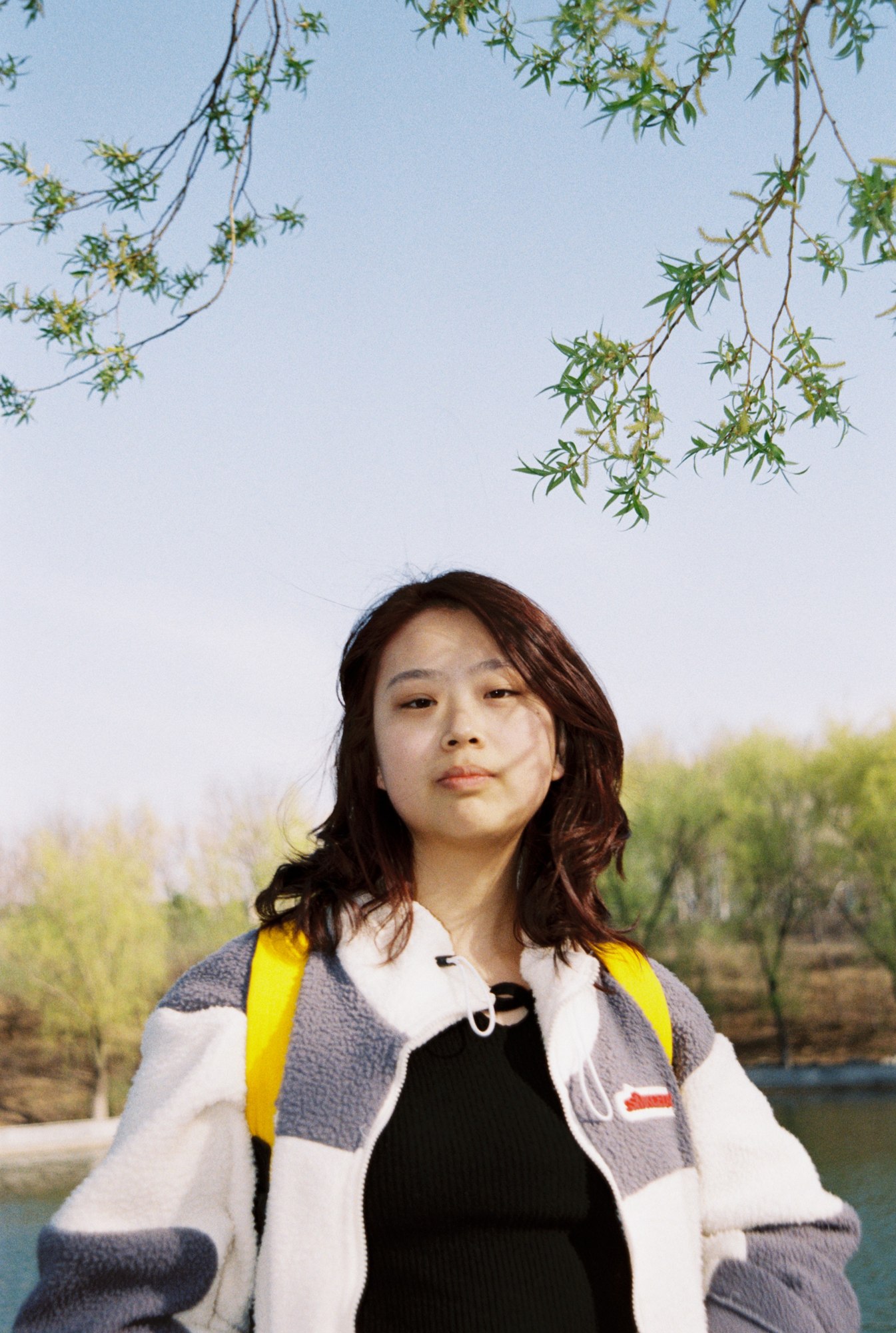
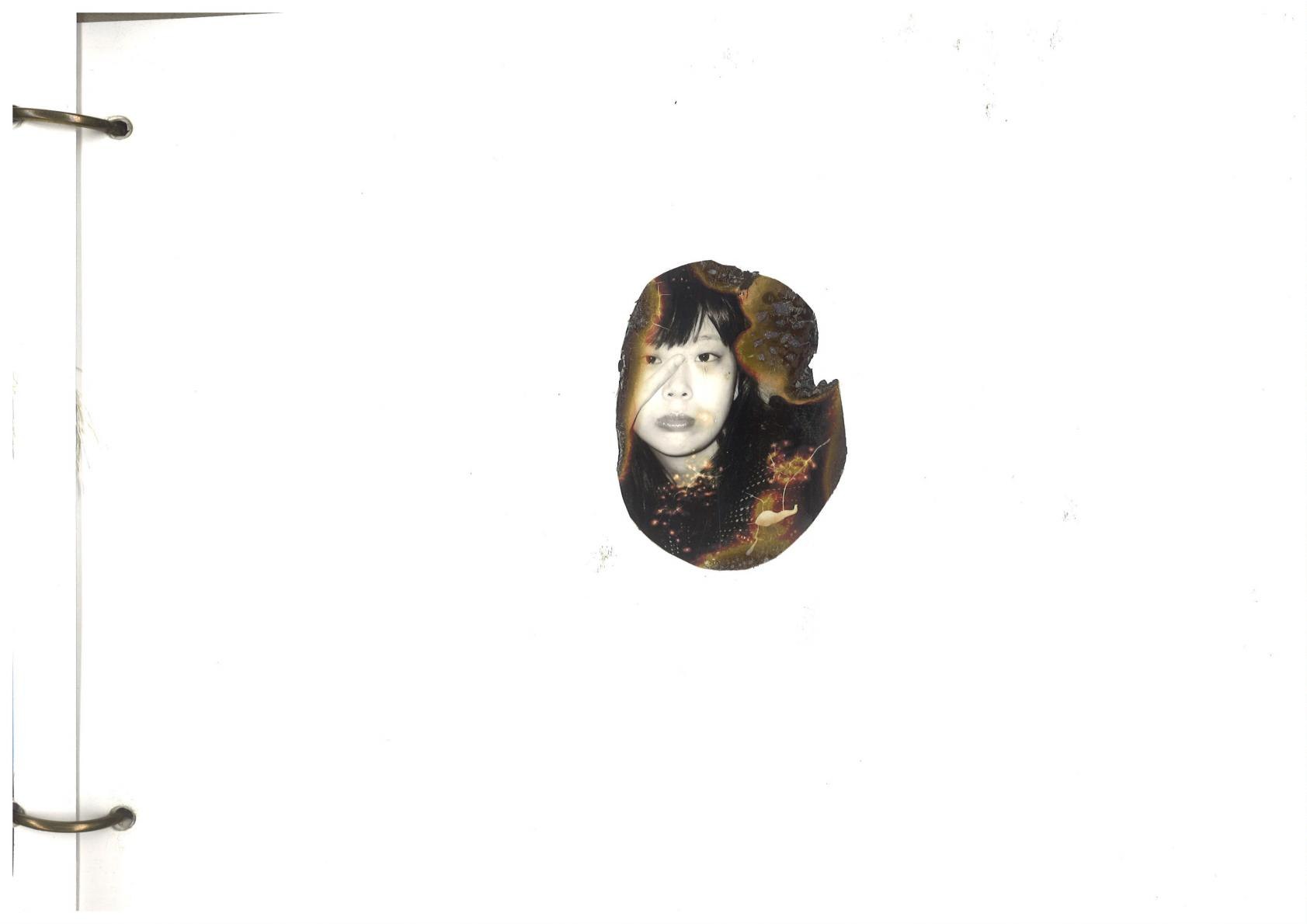
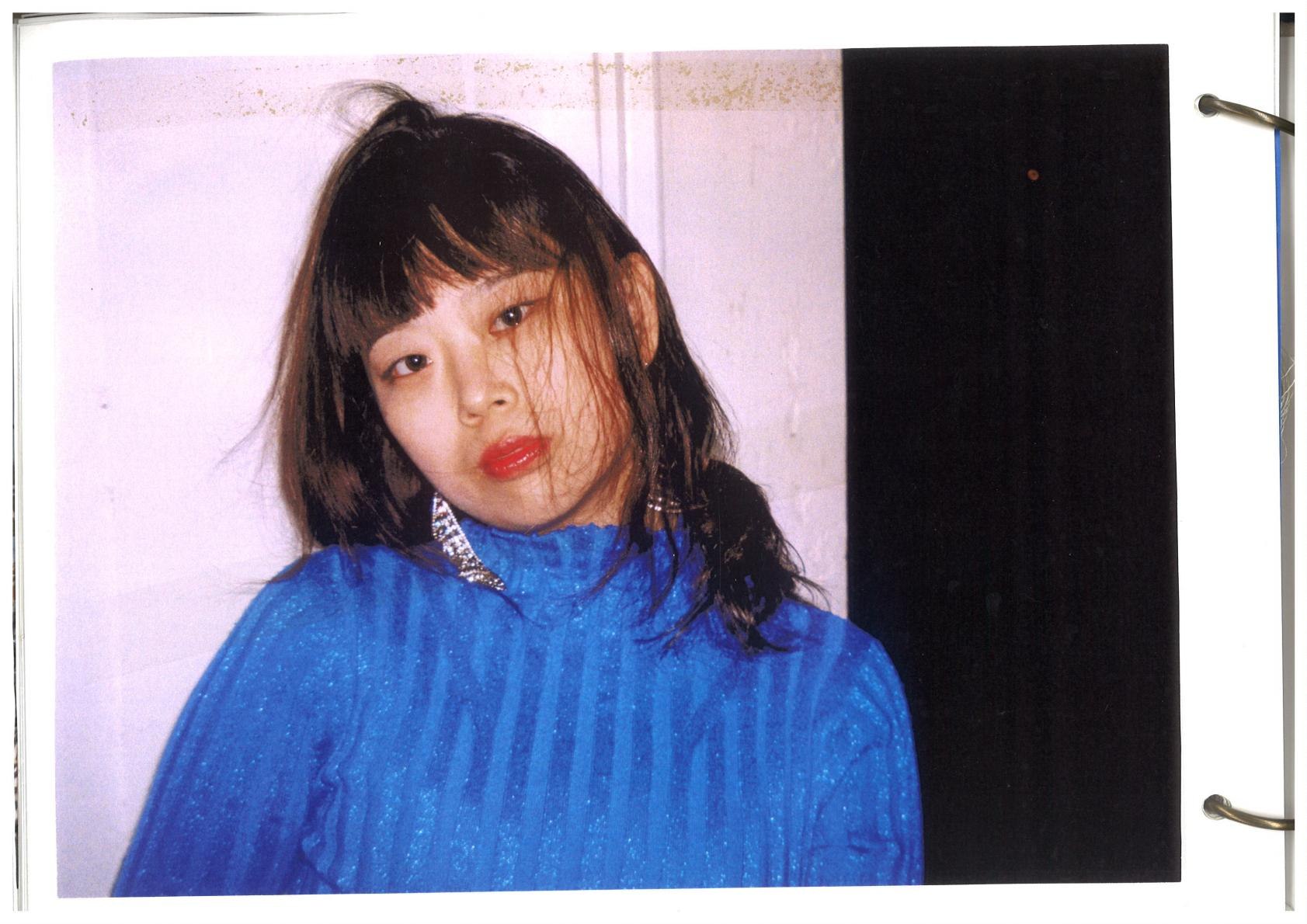
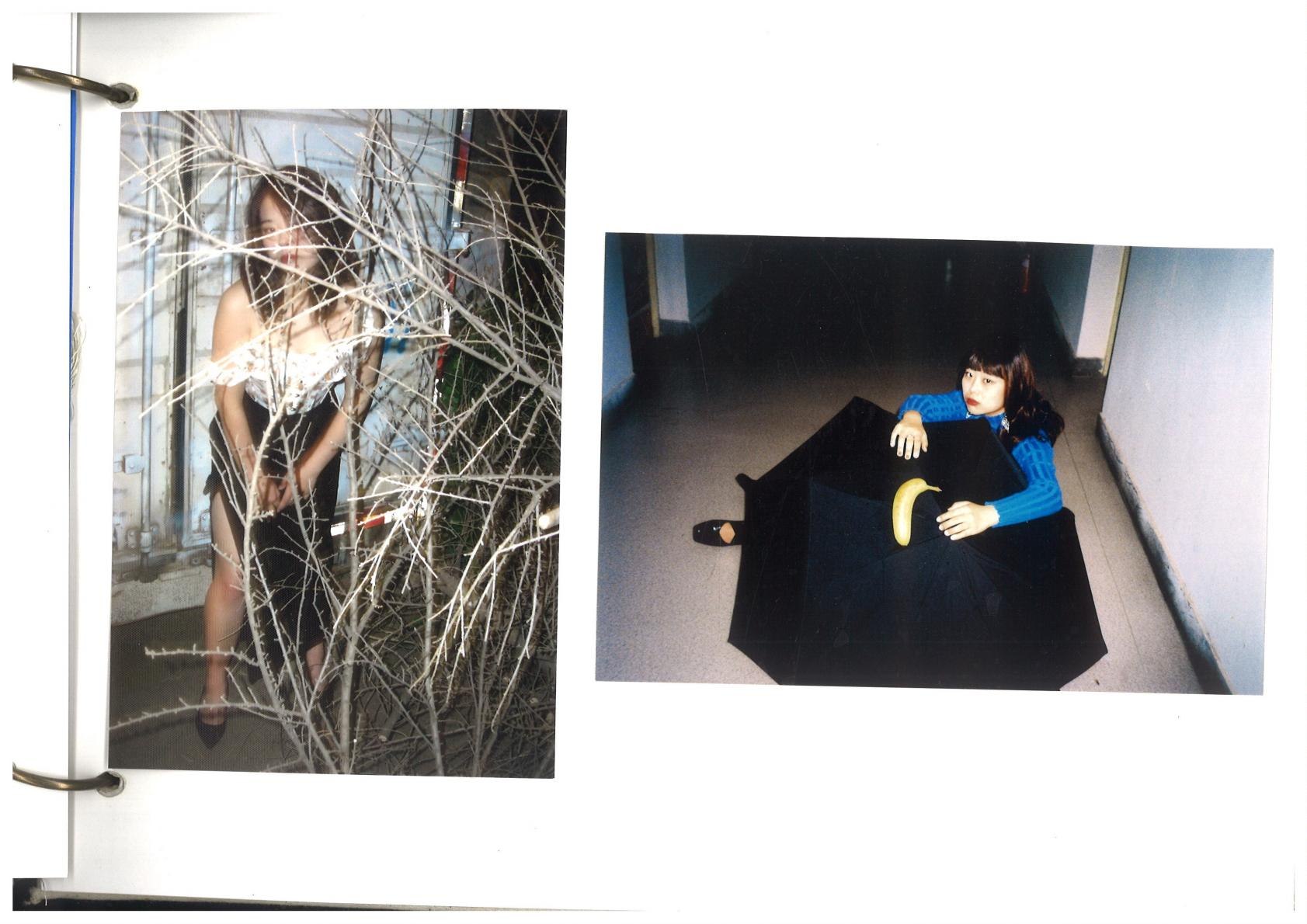
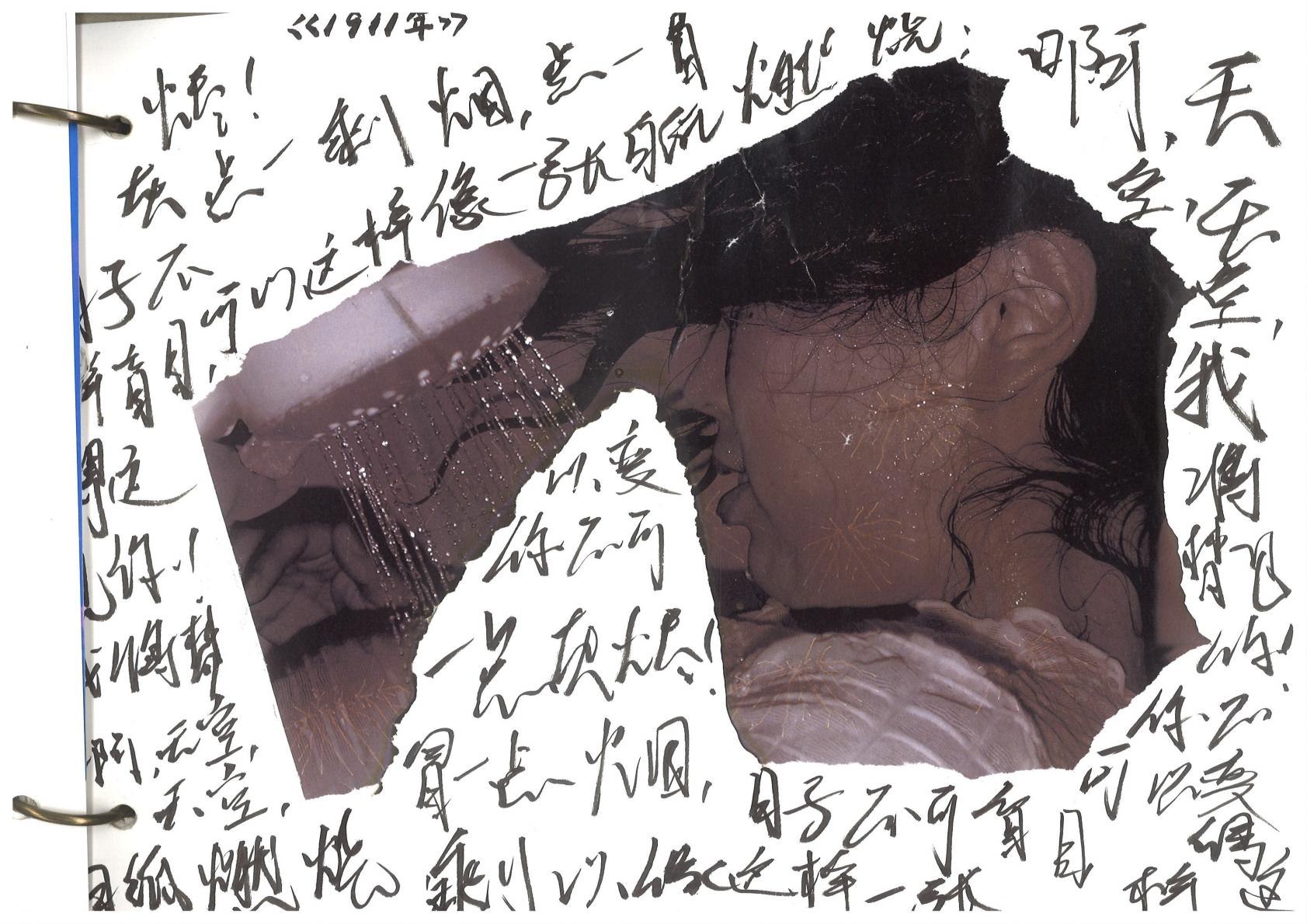

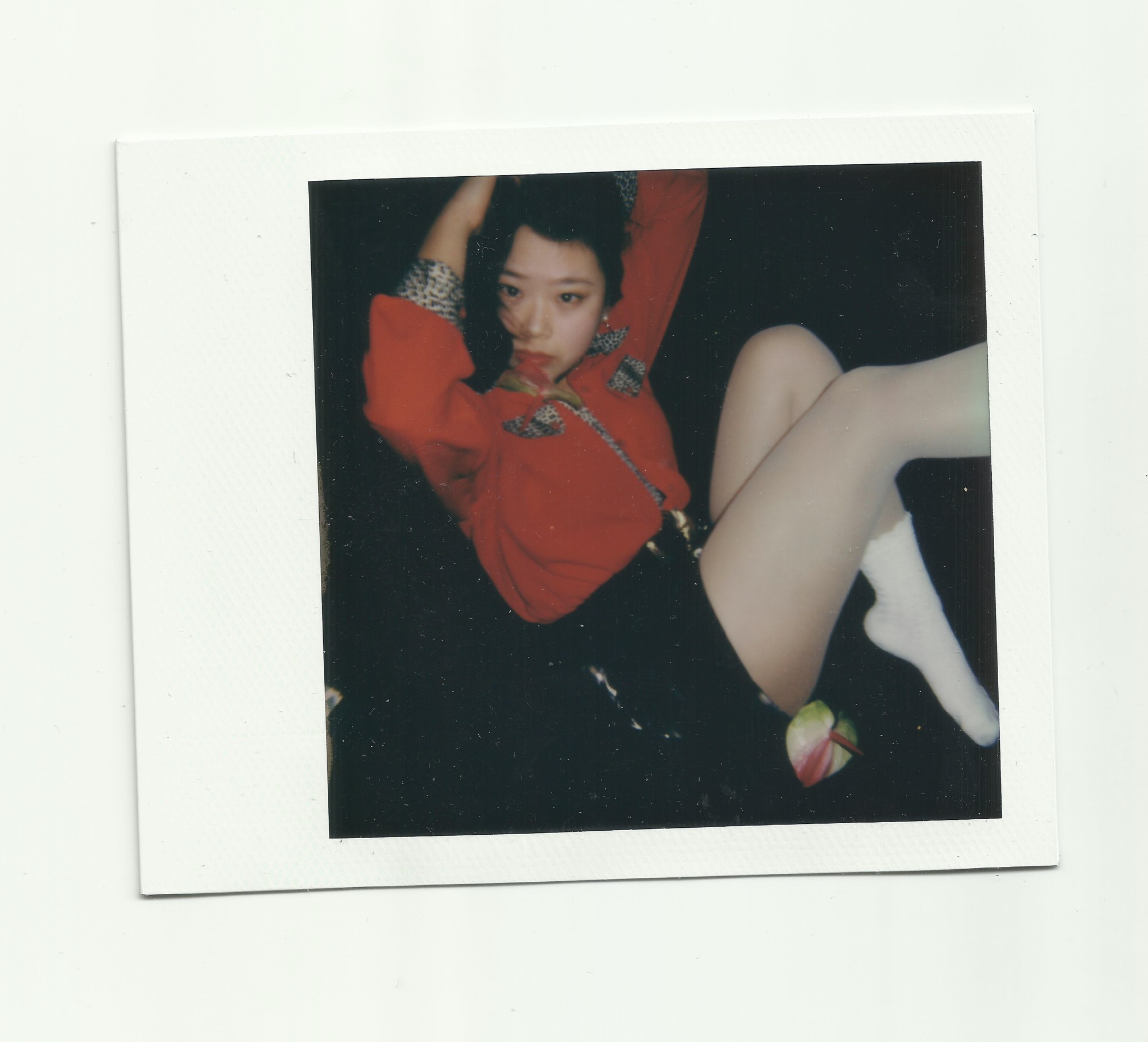
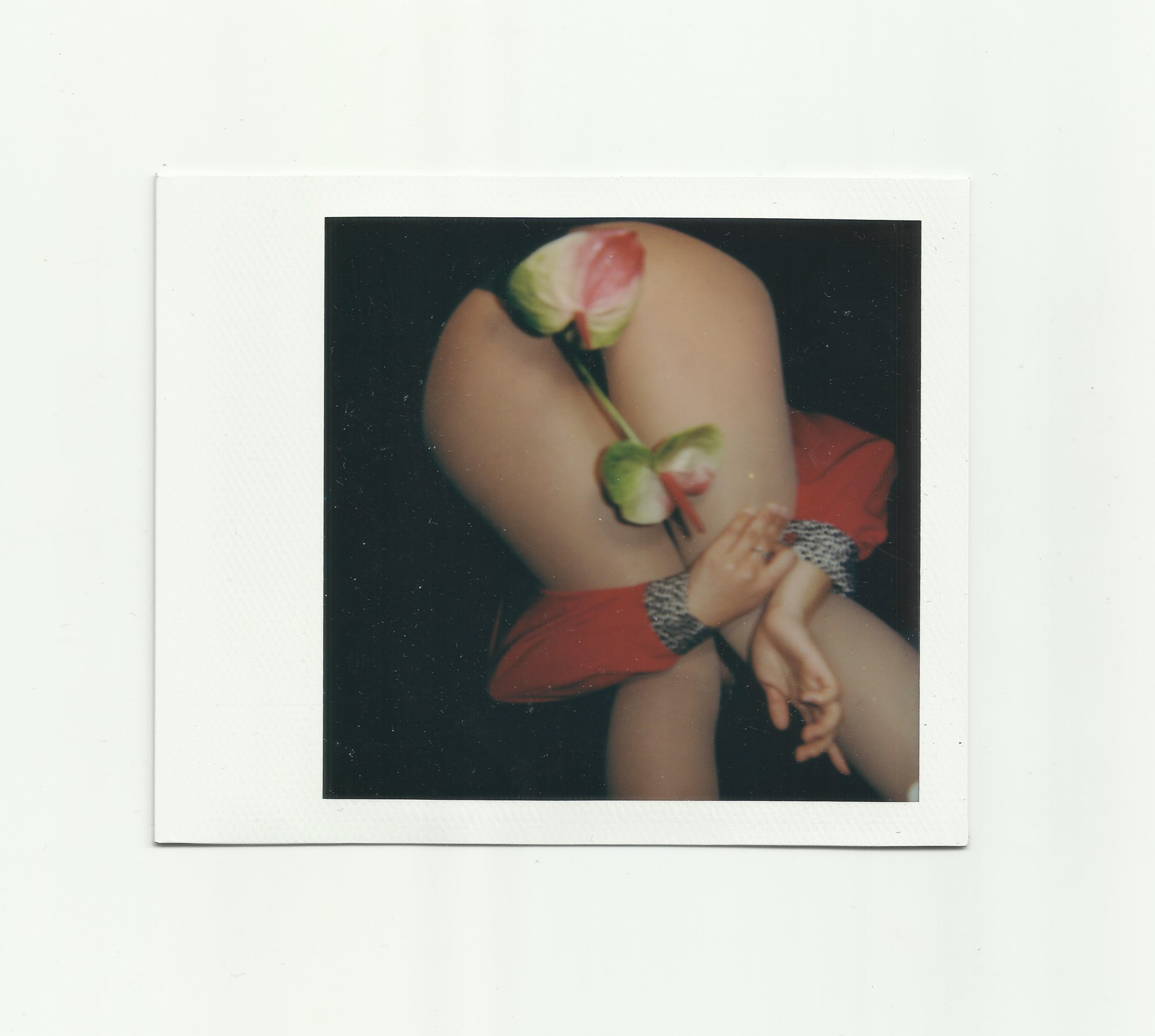
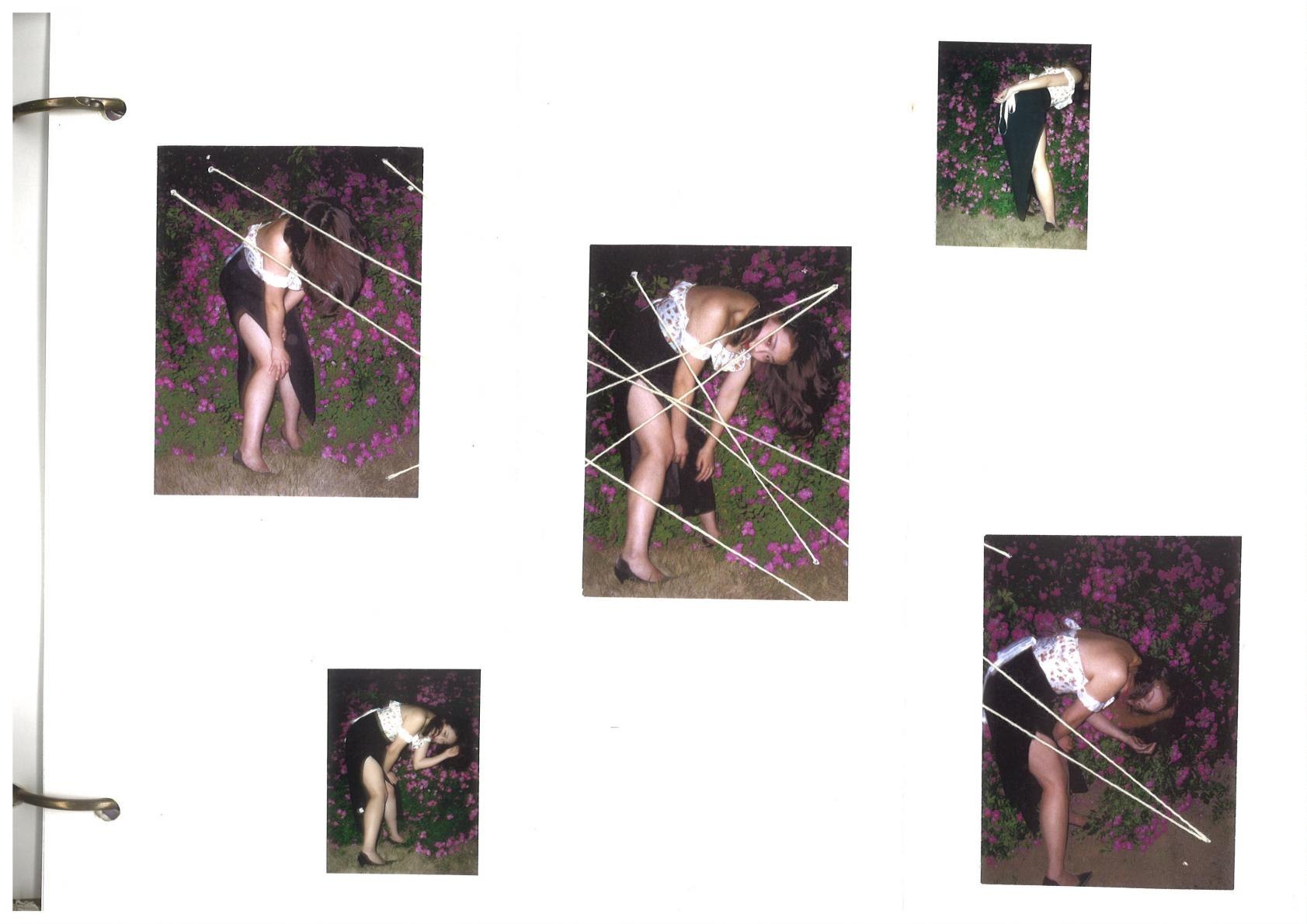
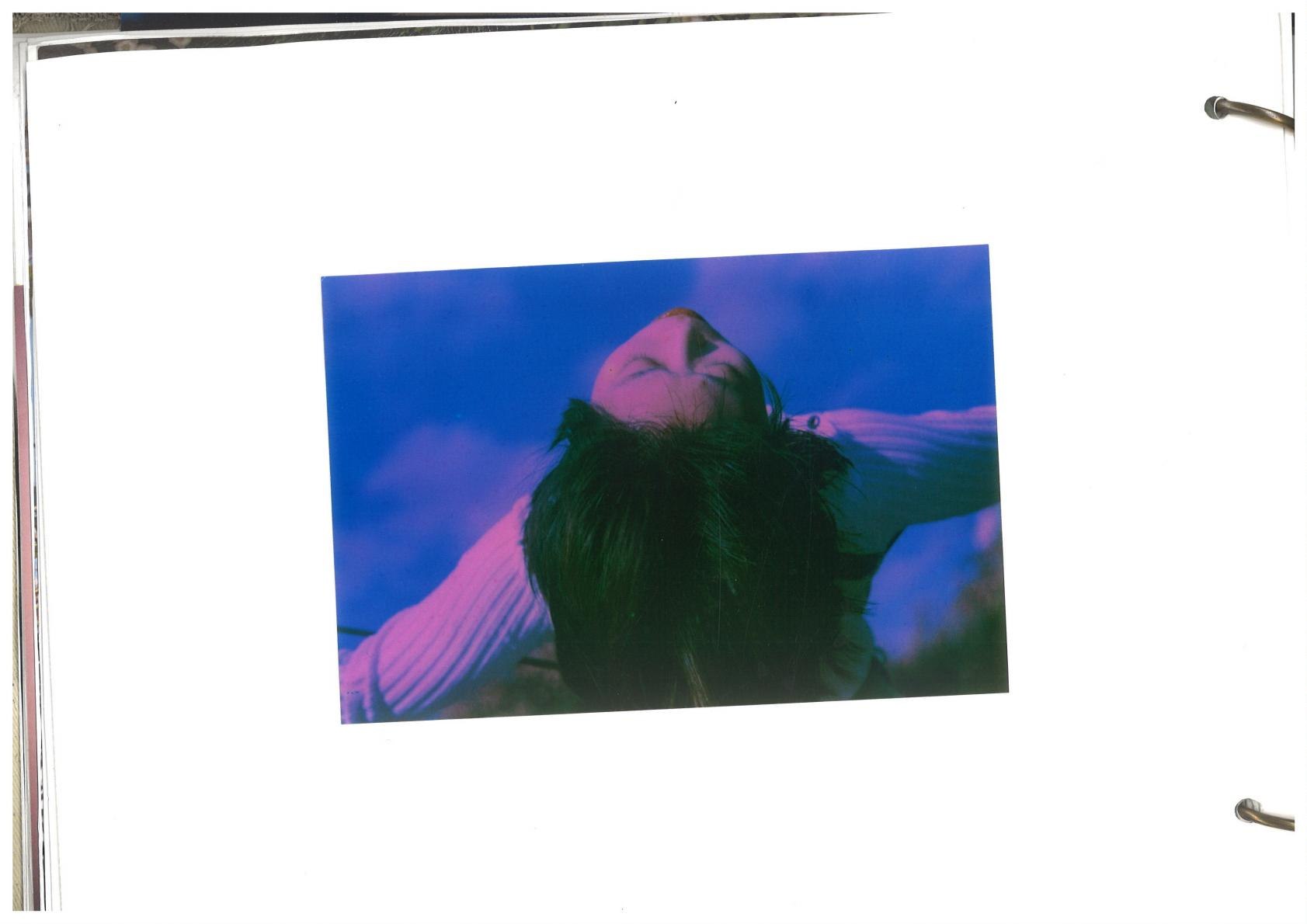

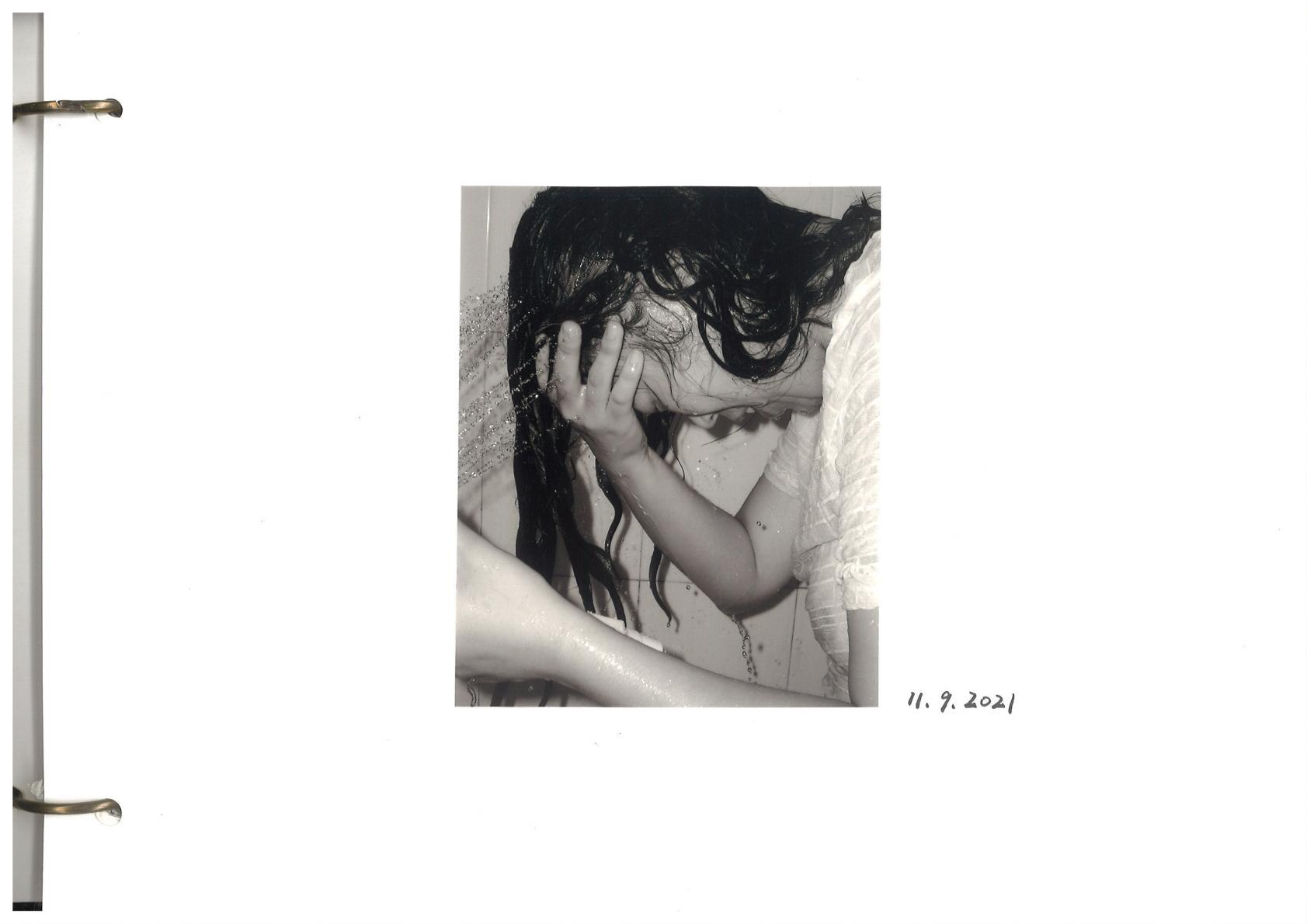


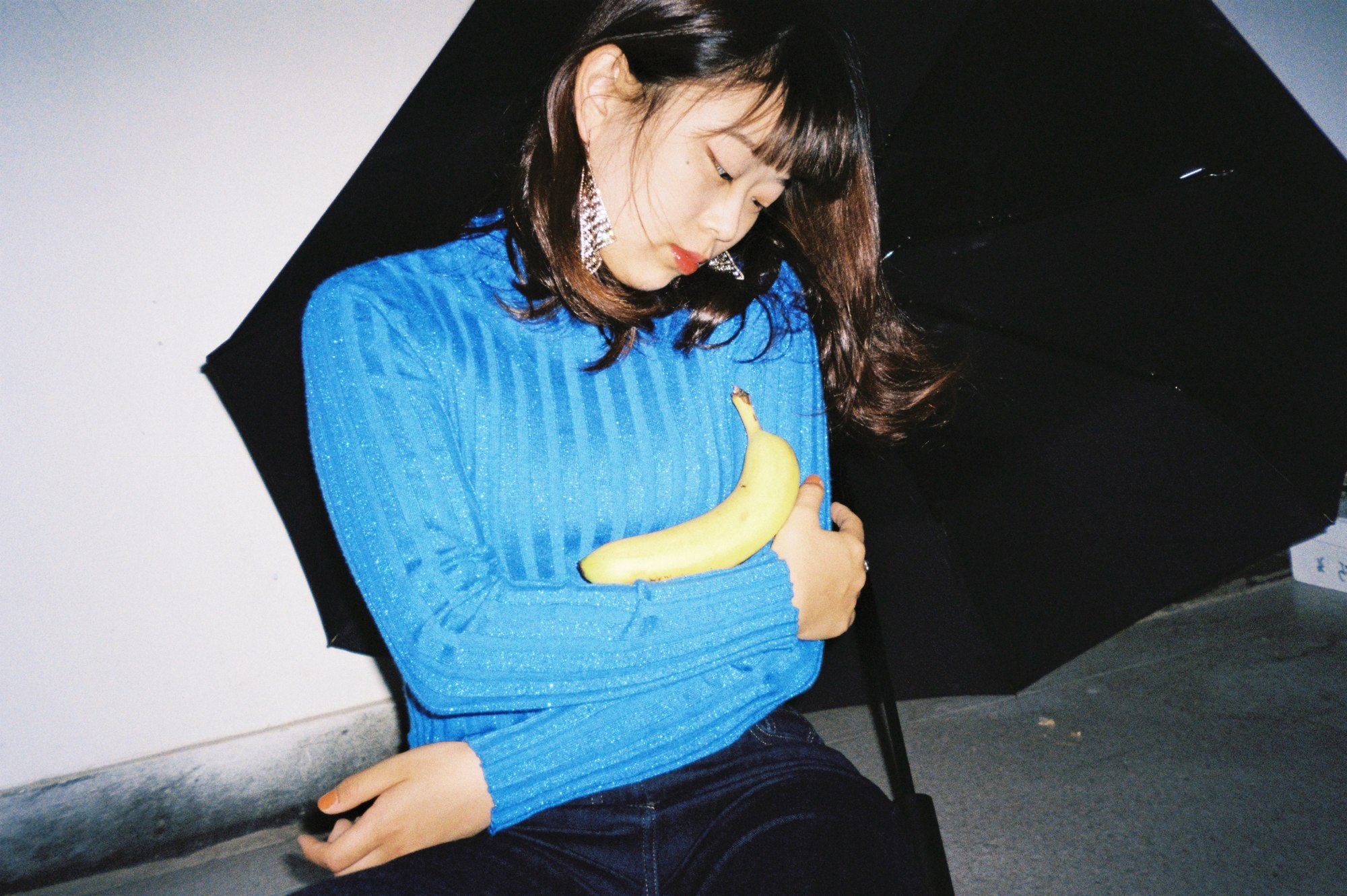
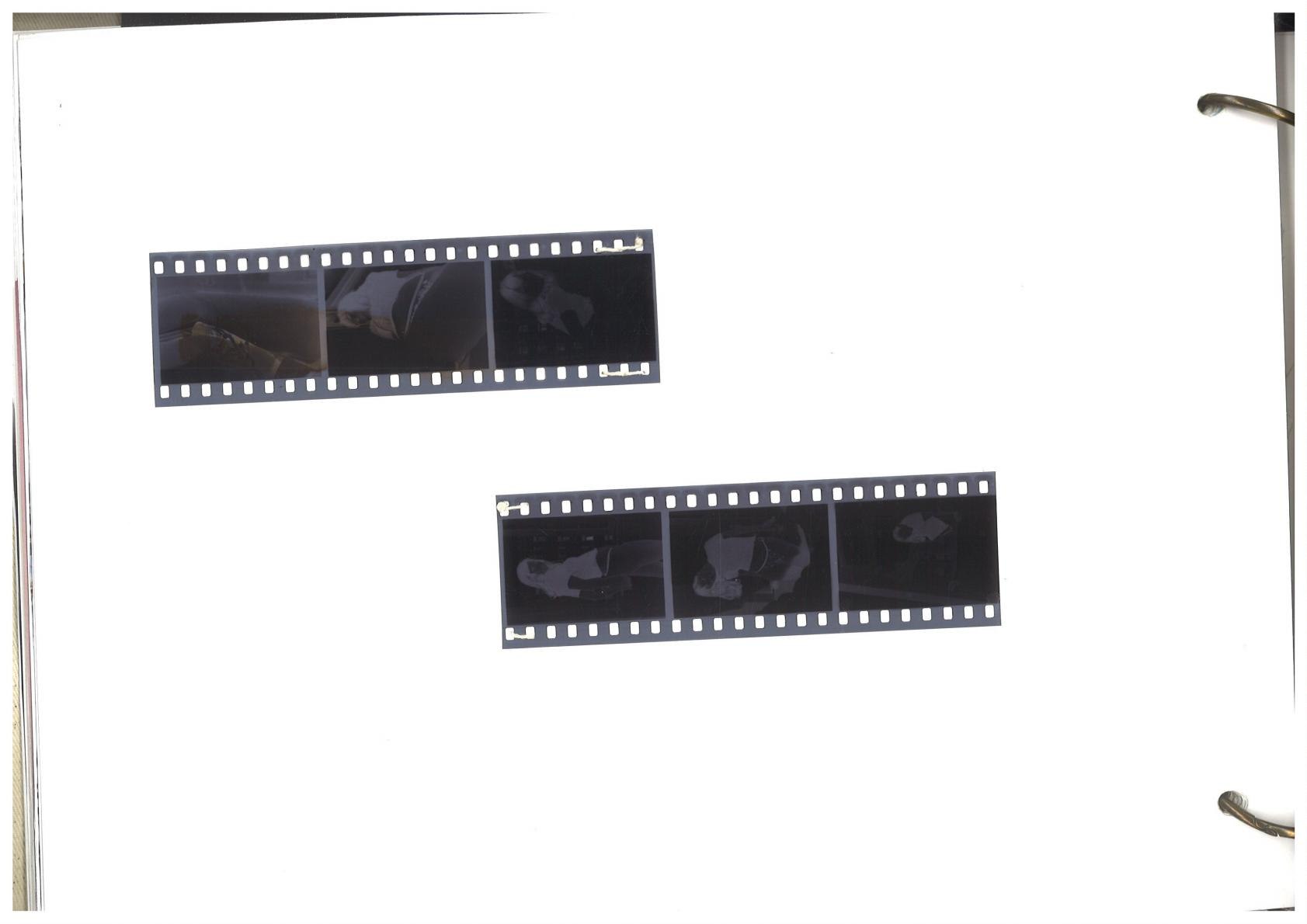
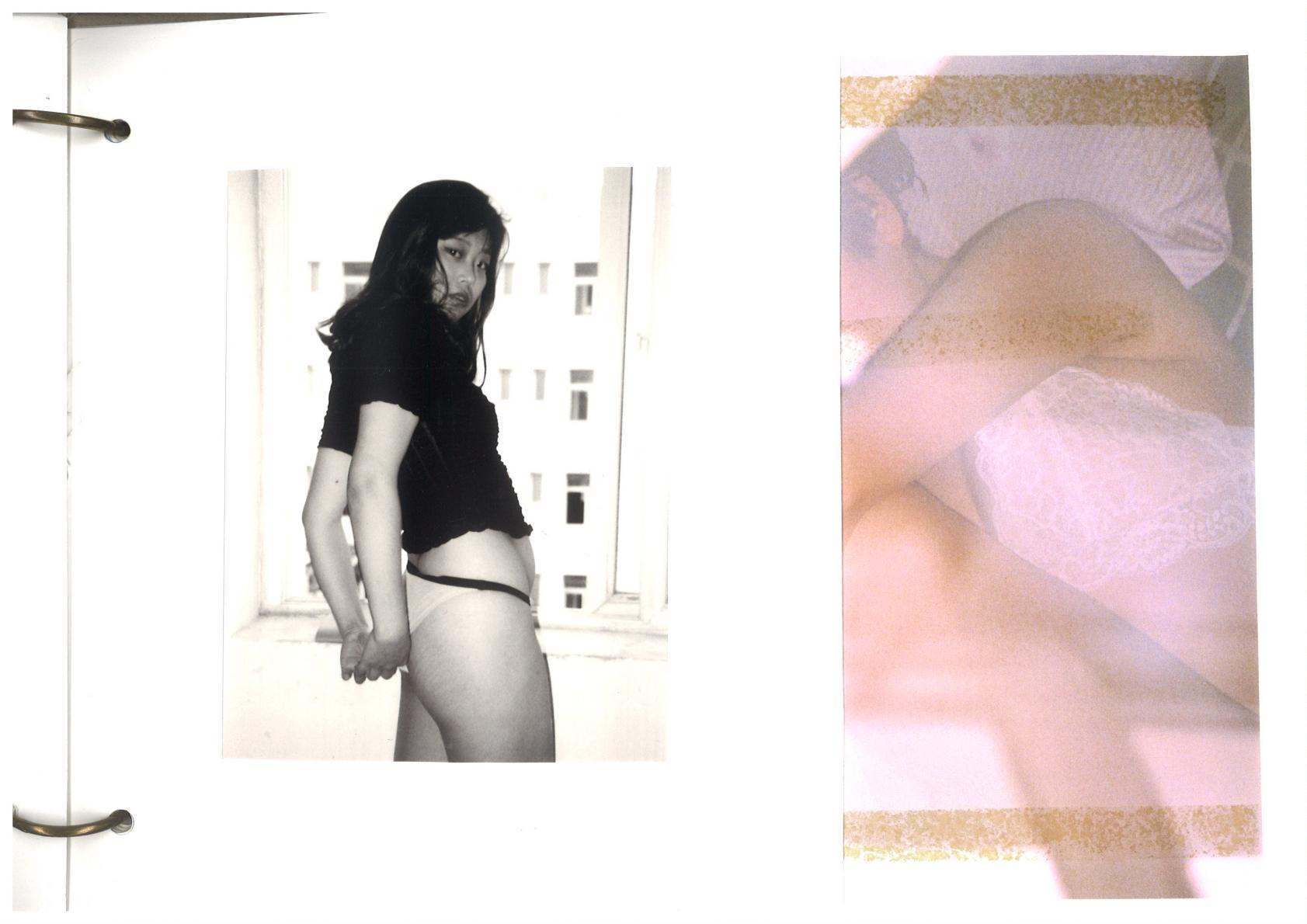
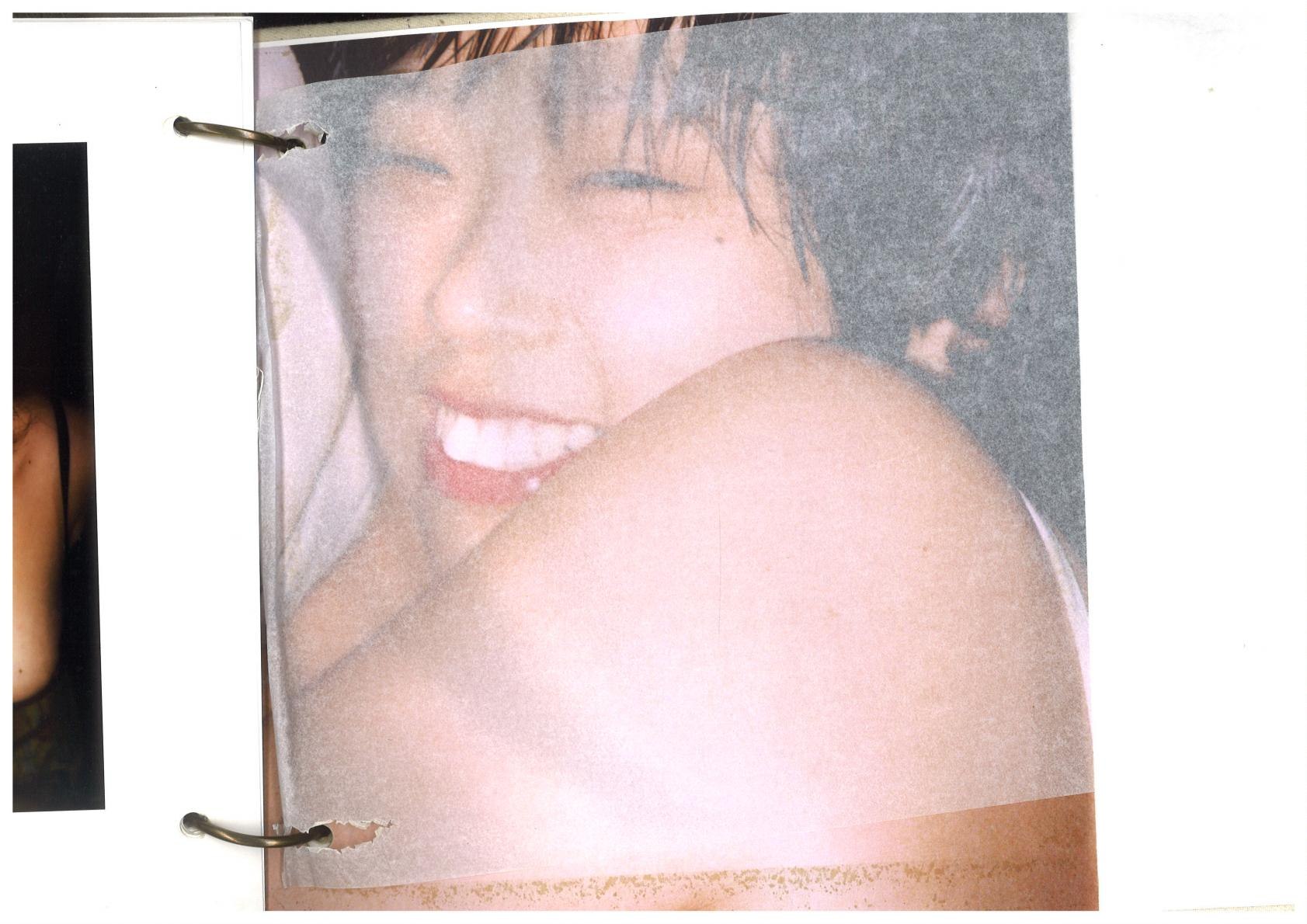
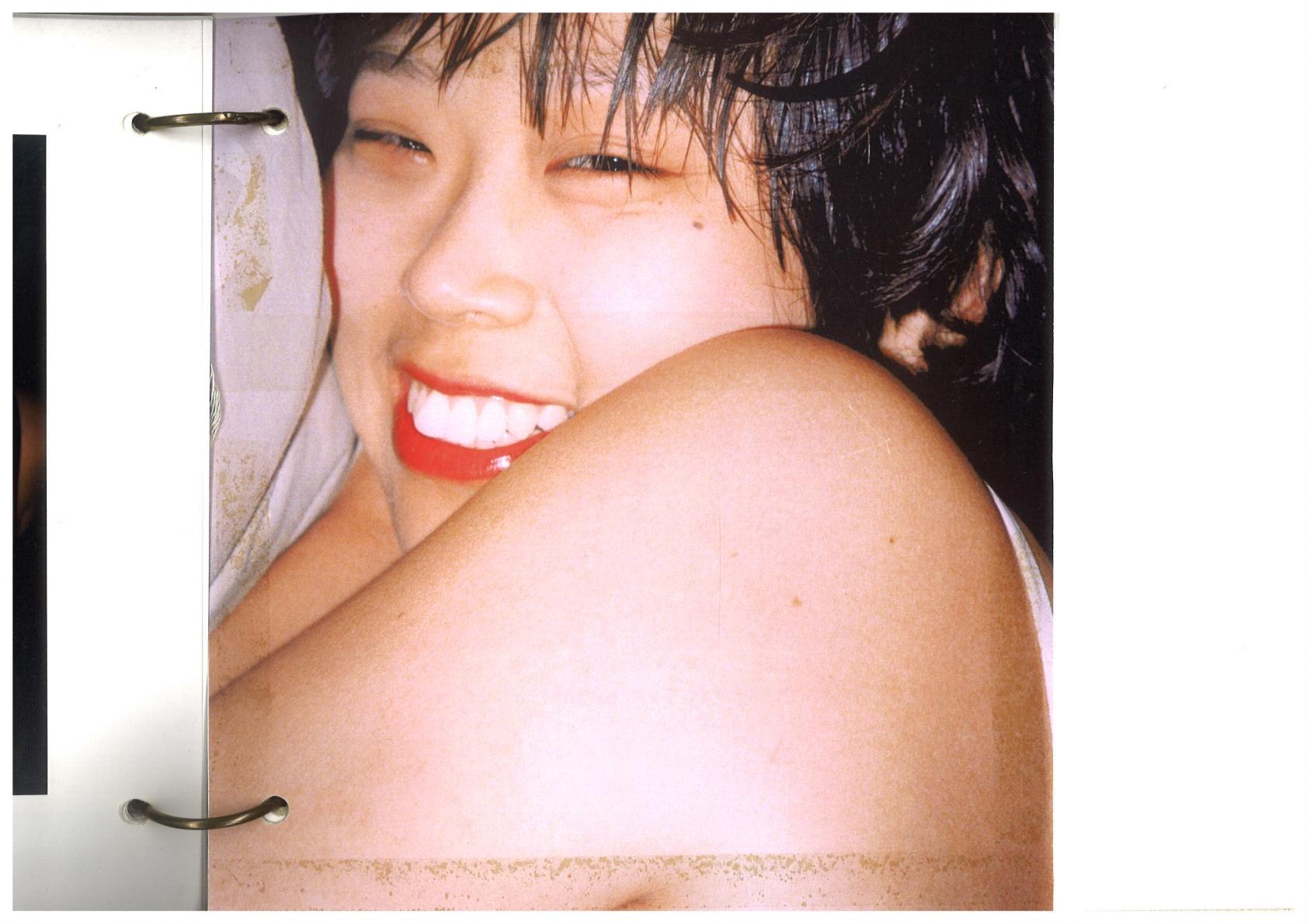
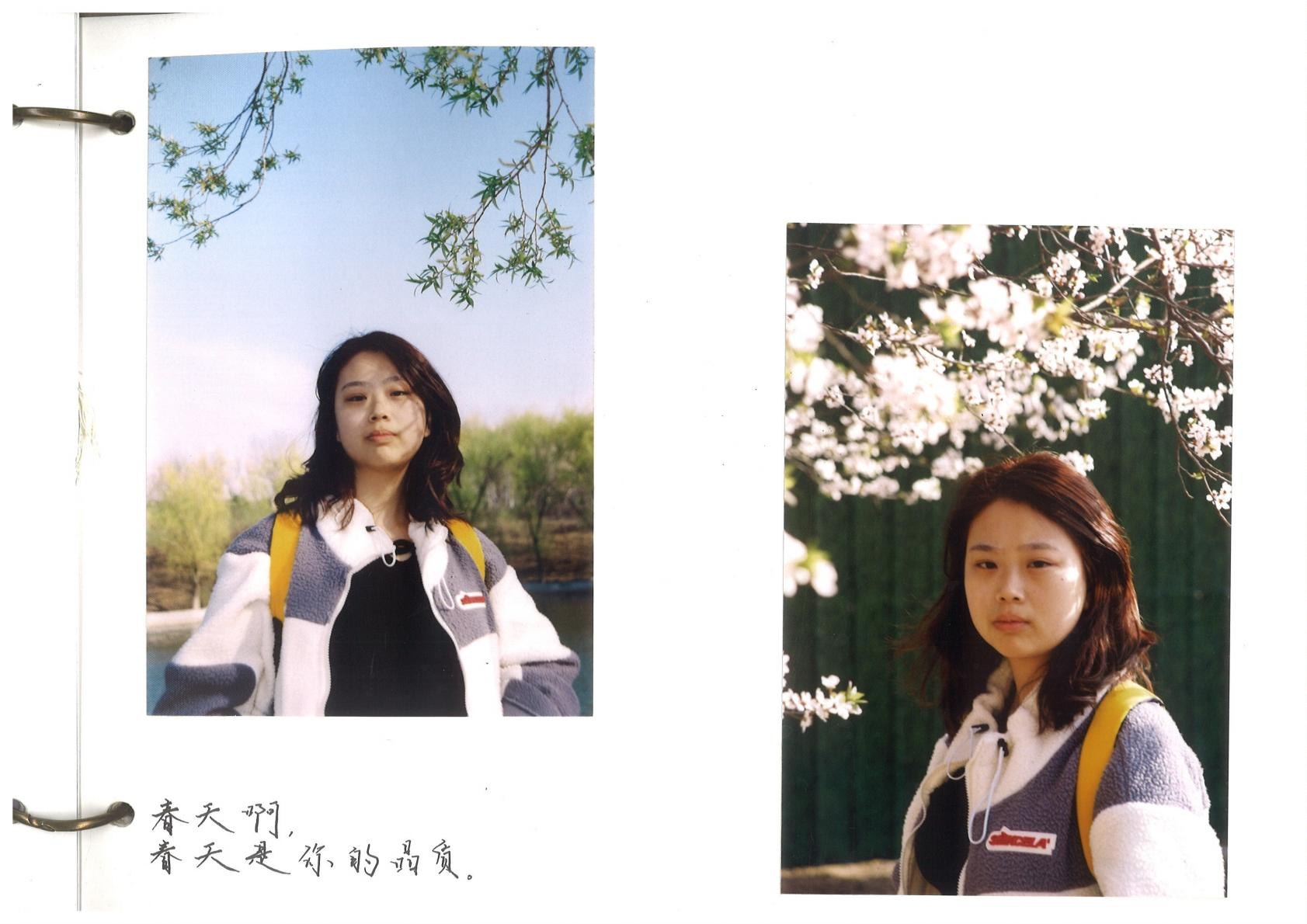
Throughout our university years, I continued to photograph Qingyuan. At first, the camera was simply something that appeared naturally in the time we spent together. It was only later, while returning to these photographs, that I realized what we had preserved was not merely her face, but the duration of a relationship: she gradually became familiar with the camera, I became familiar with the language of her body, and she began, through the photographs, to look at herself again.
Photographing someone close to me over an extended period changed the way I understand intimacy in photography. Intimacy does not mean that the camera becomes invisible. On the contrary, we are always aware of its presence. She knows that I am looking at her; I know that she is sensing my gaze. A pause, a moment of tension, a gesture that permits me to move a little closer—all of these alter the conditions under which a photograph comes into being. MacDougall’s notion of the “corporeal image” reminds me that photography concerns not only the body within the image, but also the body behind the camera, equally present in that moment (MacDougall, 2006). Even when I do not appear in the frame, traces of me remain through distance, timing, and choice.
During these years, Qingyuan was also negotiating her relationship with her body and self-image, alongside family expectations and the pressures surrounding postgraduate study. We spoke about shame, desire, and sexuality, and I responded by exposing parts of my own experience as well. For me, self-disclosure is not a technique for obtaining trust, but a relational ethic: only by acknowledging my own vulnerability and positionality can the other person decide how close she is willing to let me come.
Qingyuan later became the starting point for Centrifugal Force. If Centrifugal Force is a collective portrait of a liminal period, Qingyuan condenses that uncertainty into the life of one particular person: a young woman learning to recognize her own body and presence through being looked at, looking at herself, and looking together with the photographer.
Yuan
Qing
Yuan
Qing