Dwelling Elsewhere
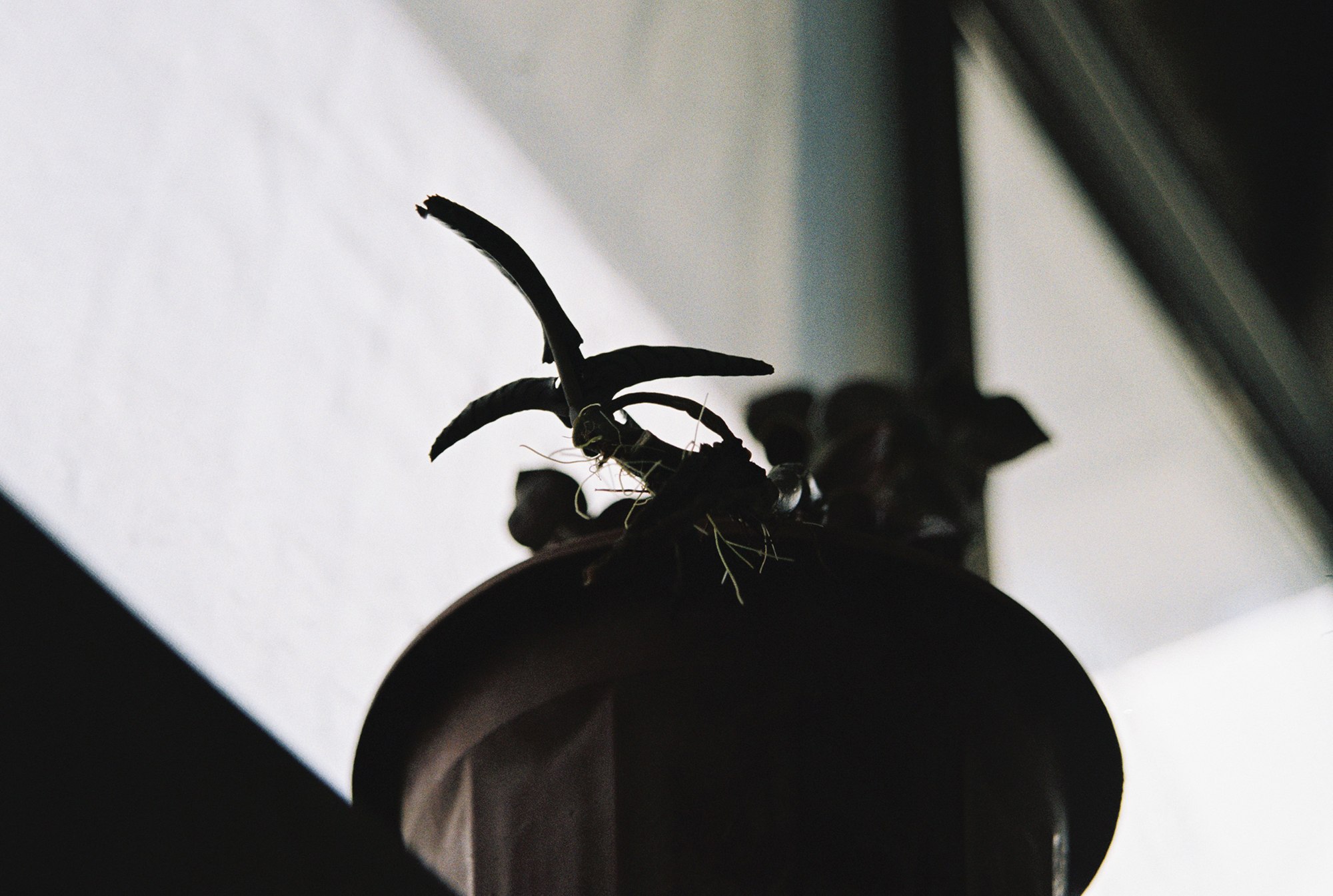
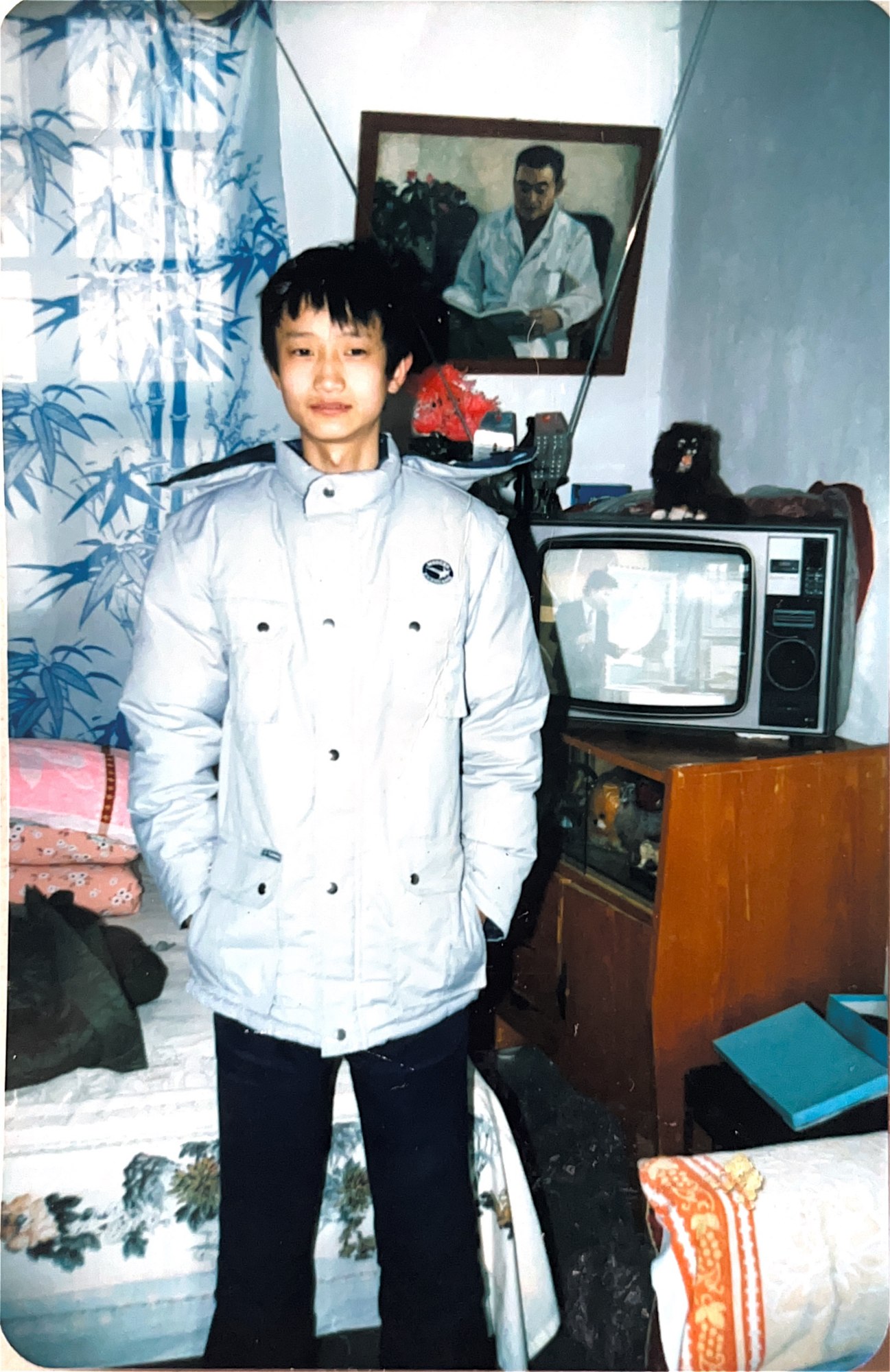
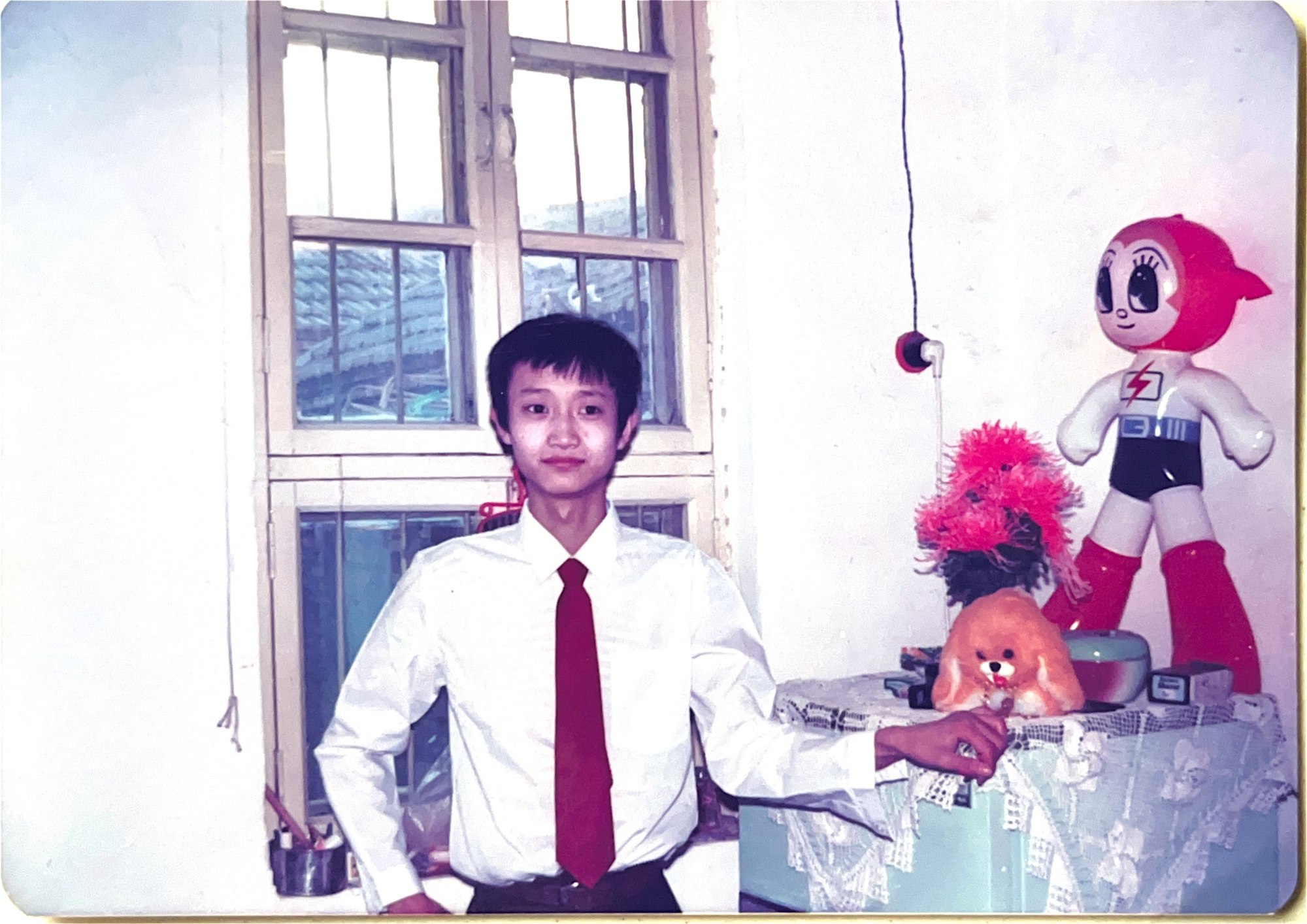
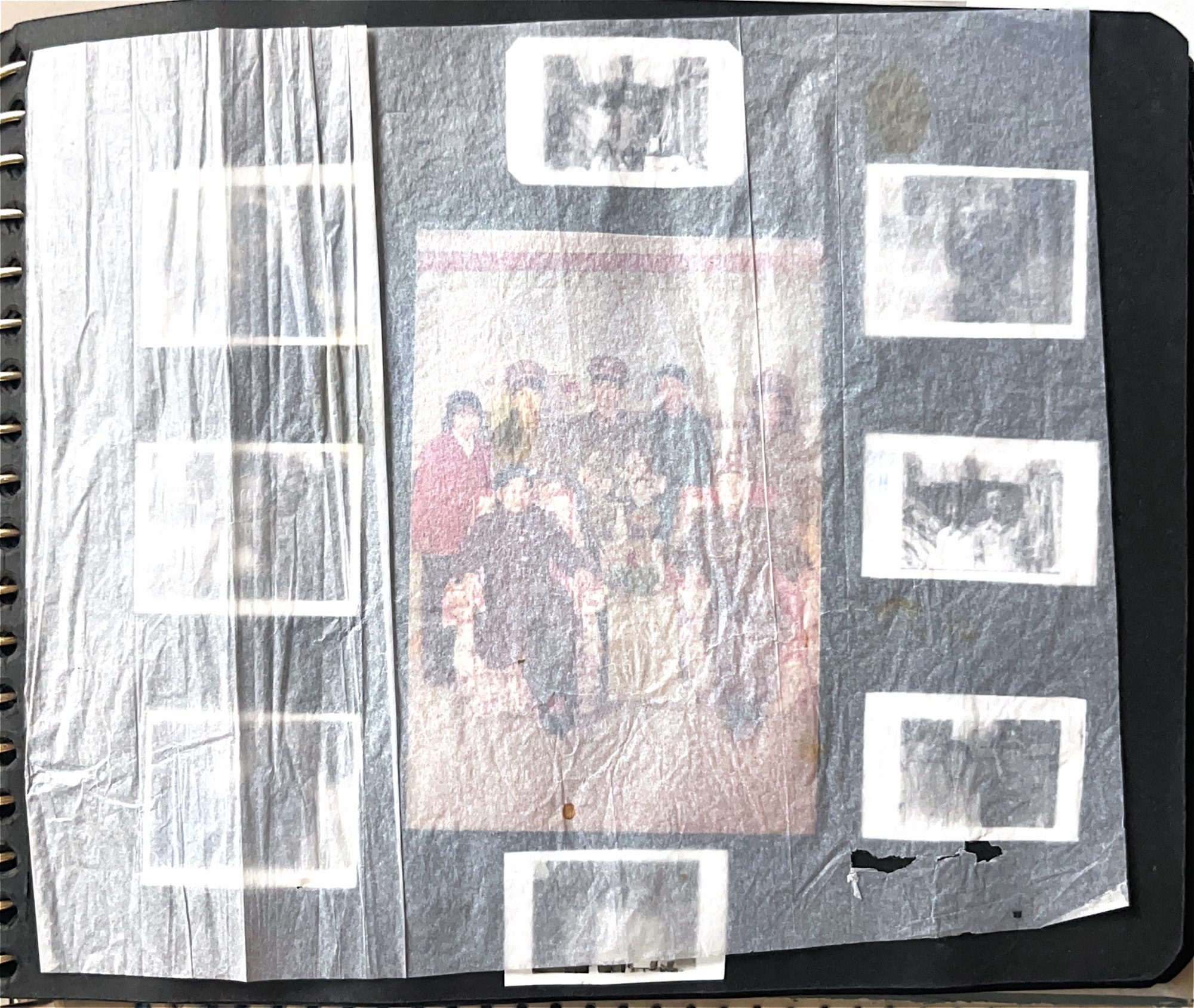
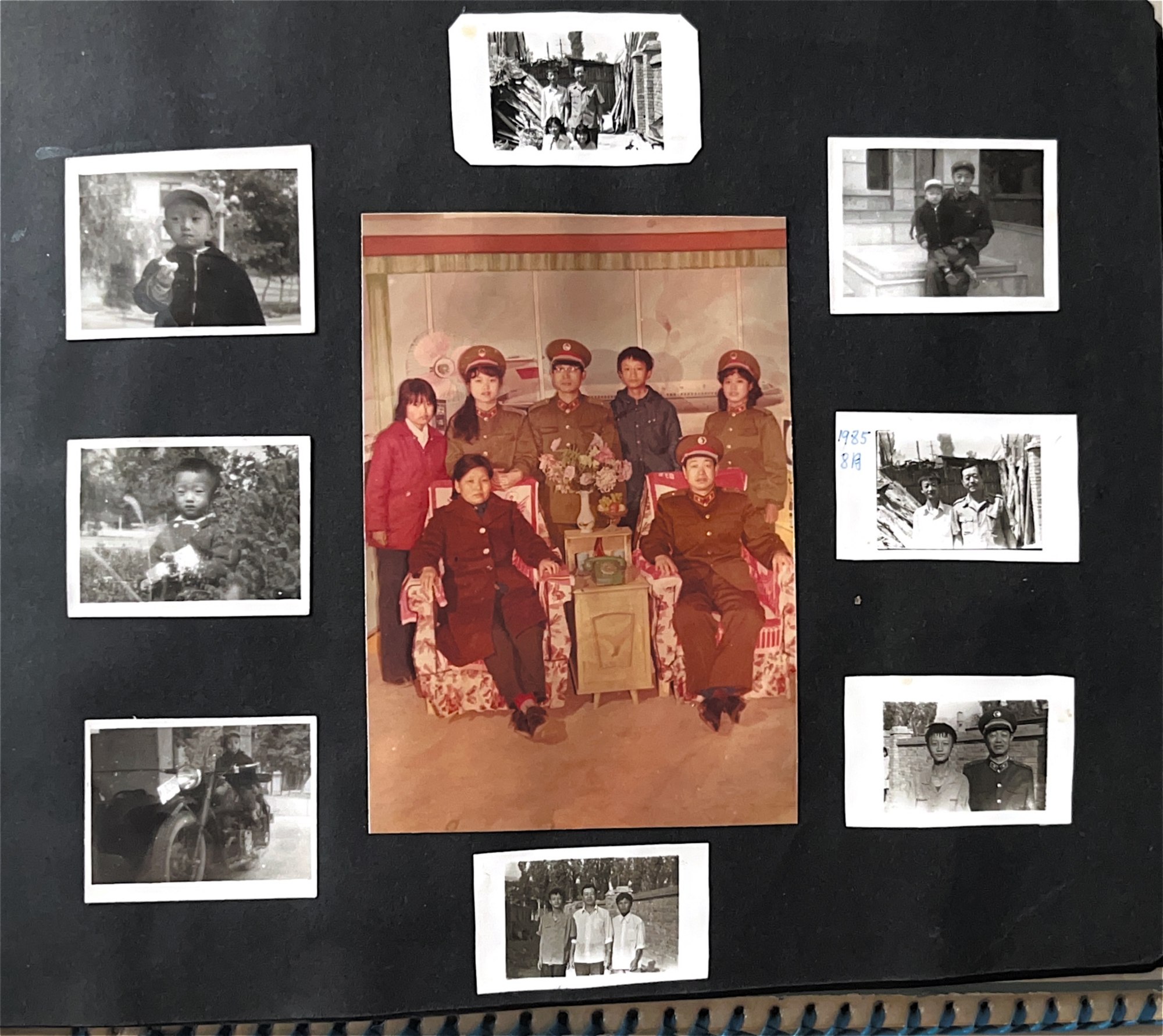
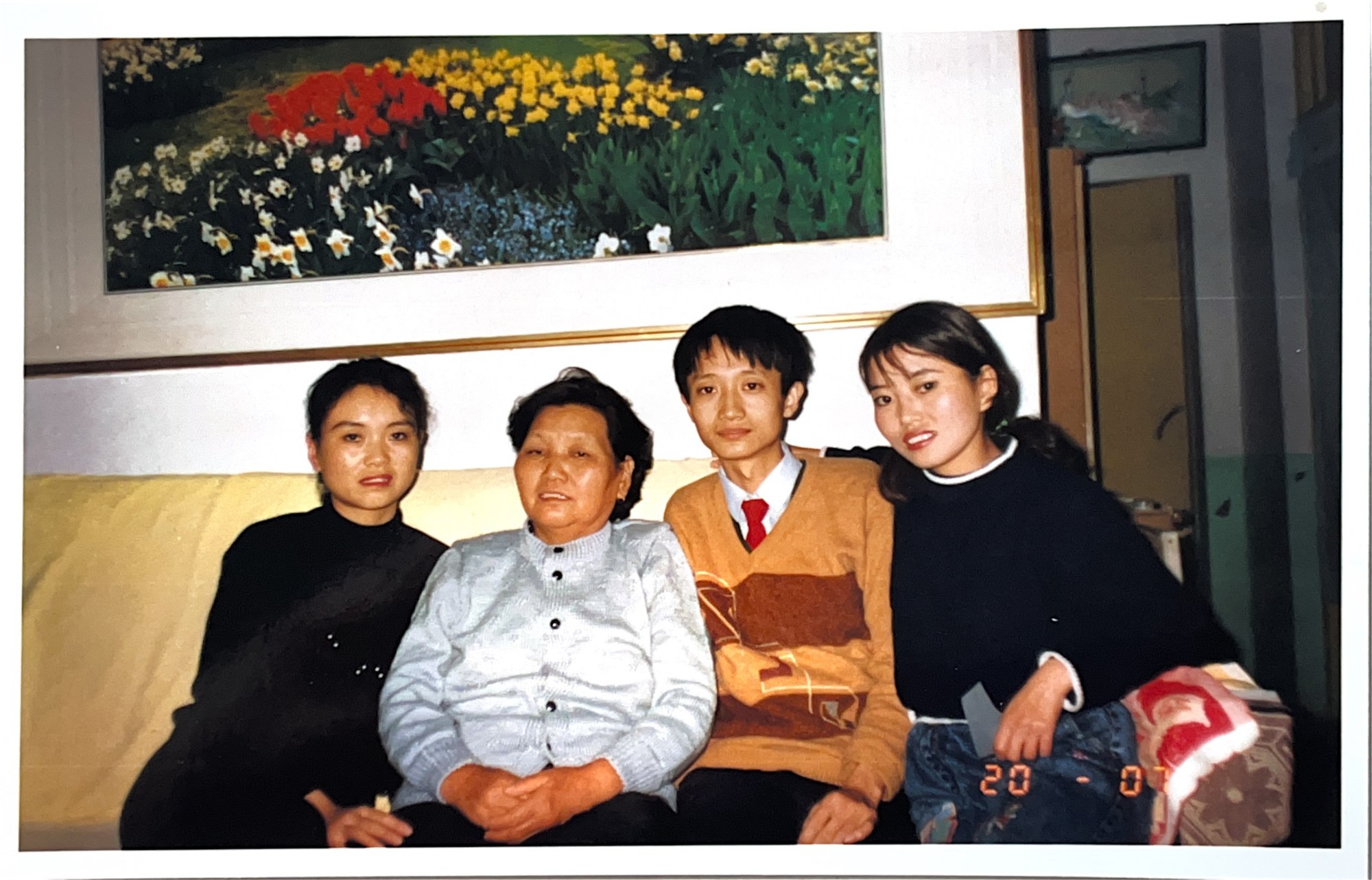
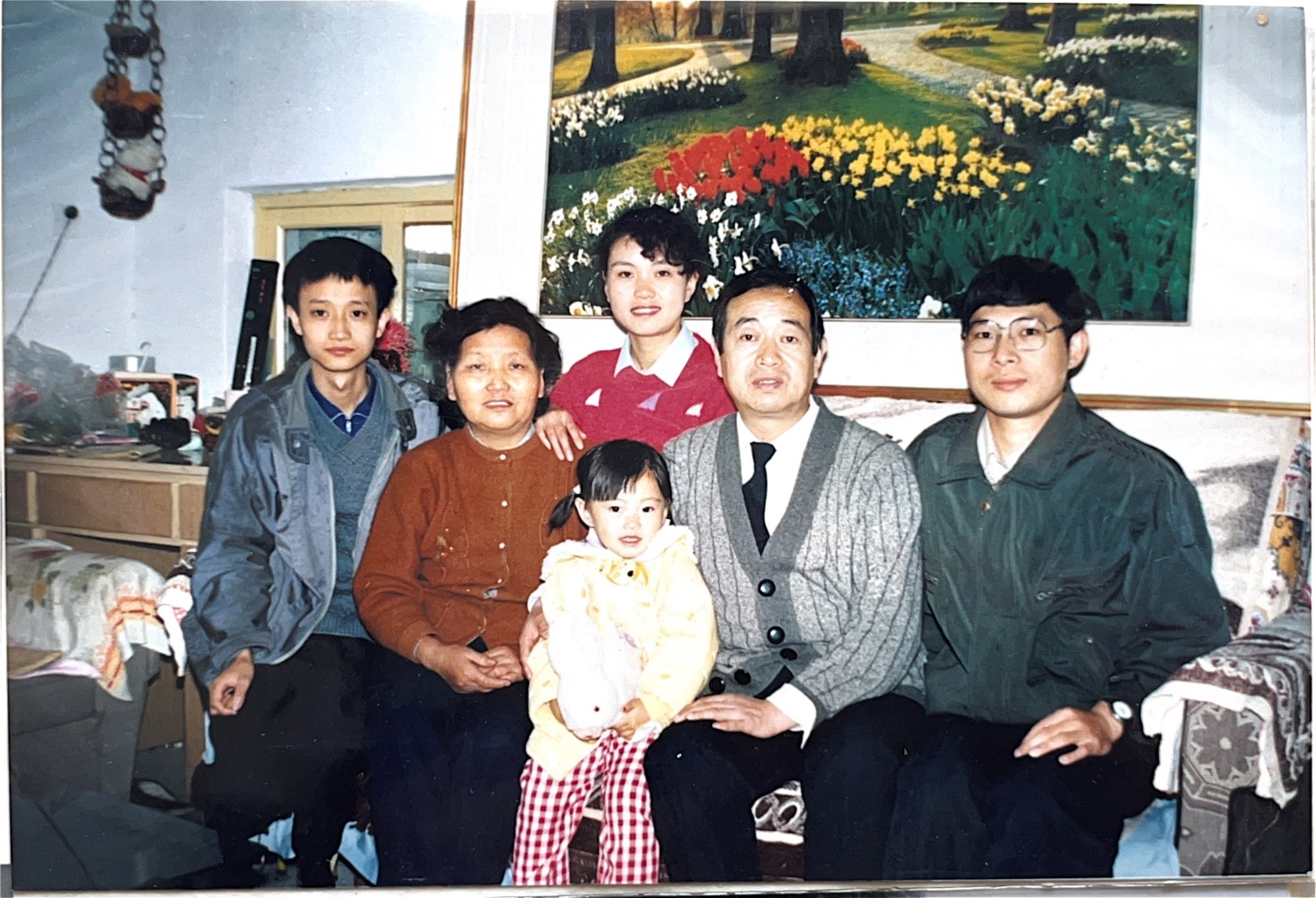
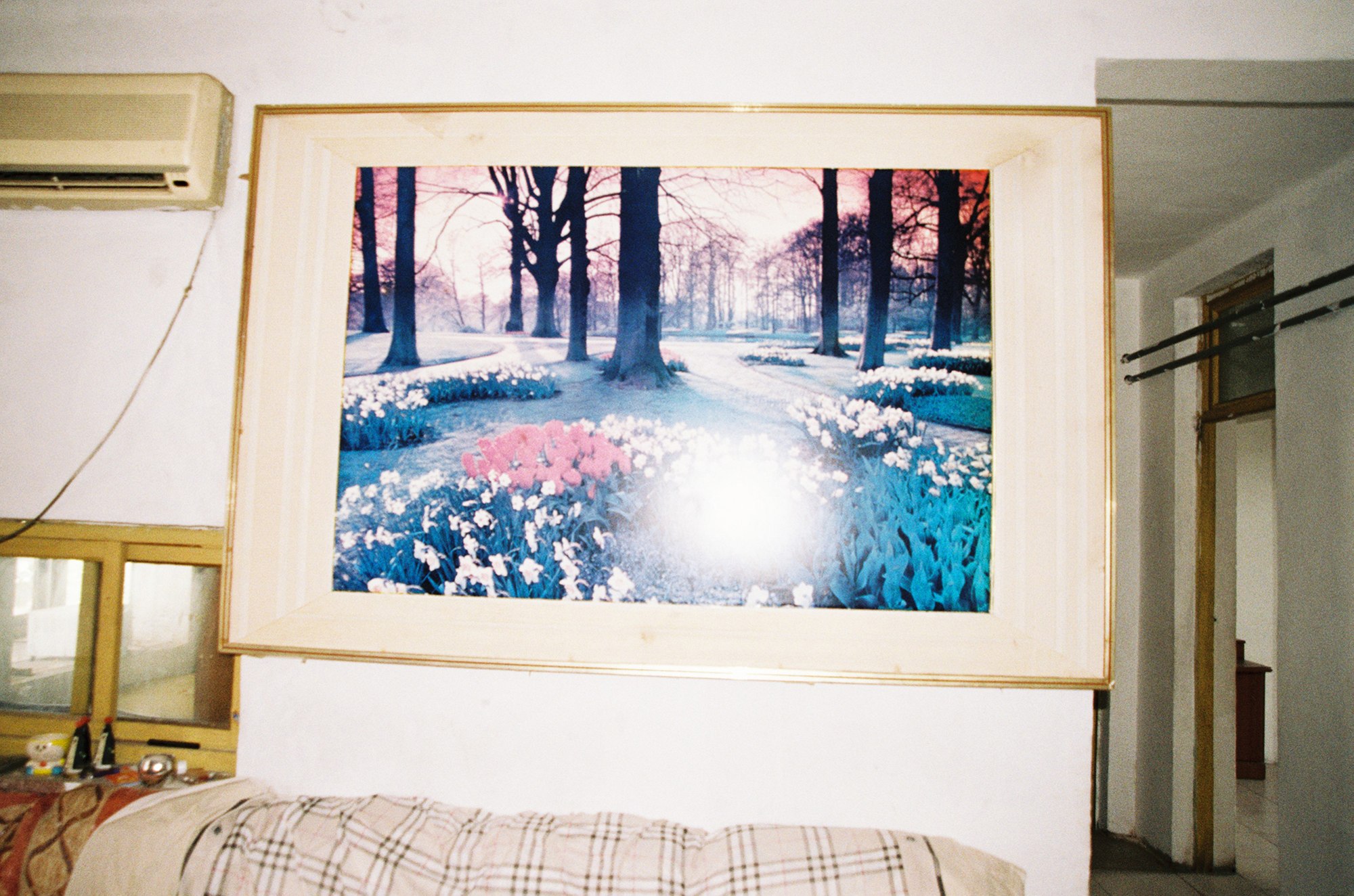
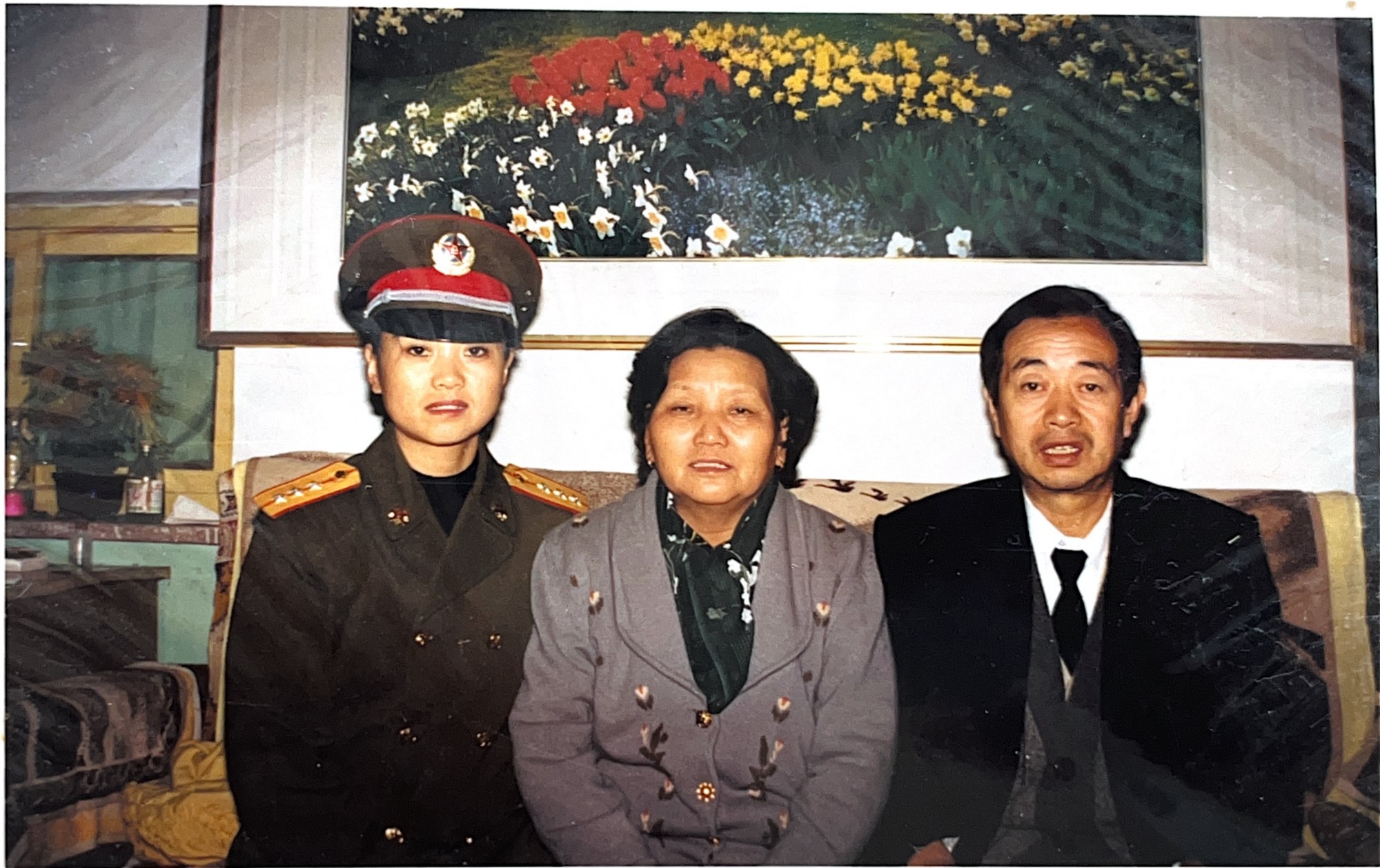
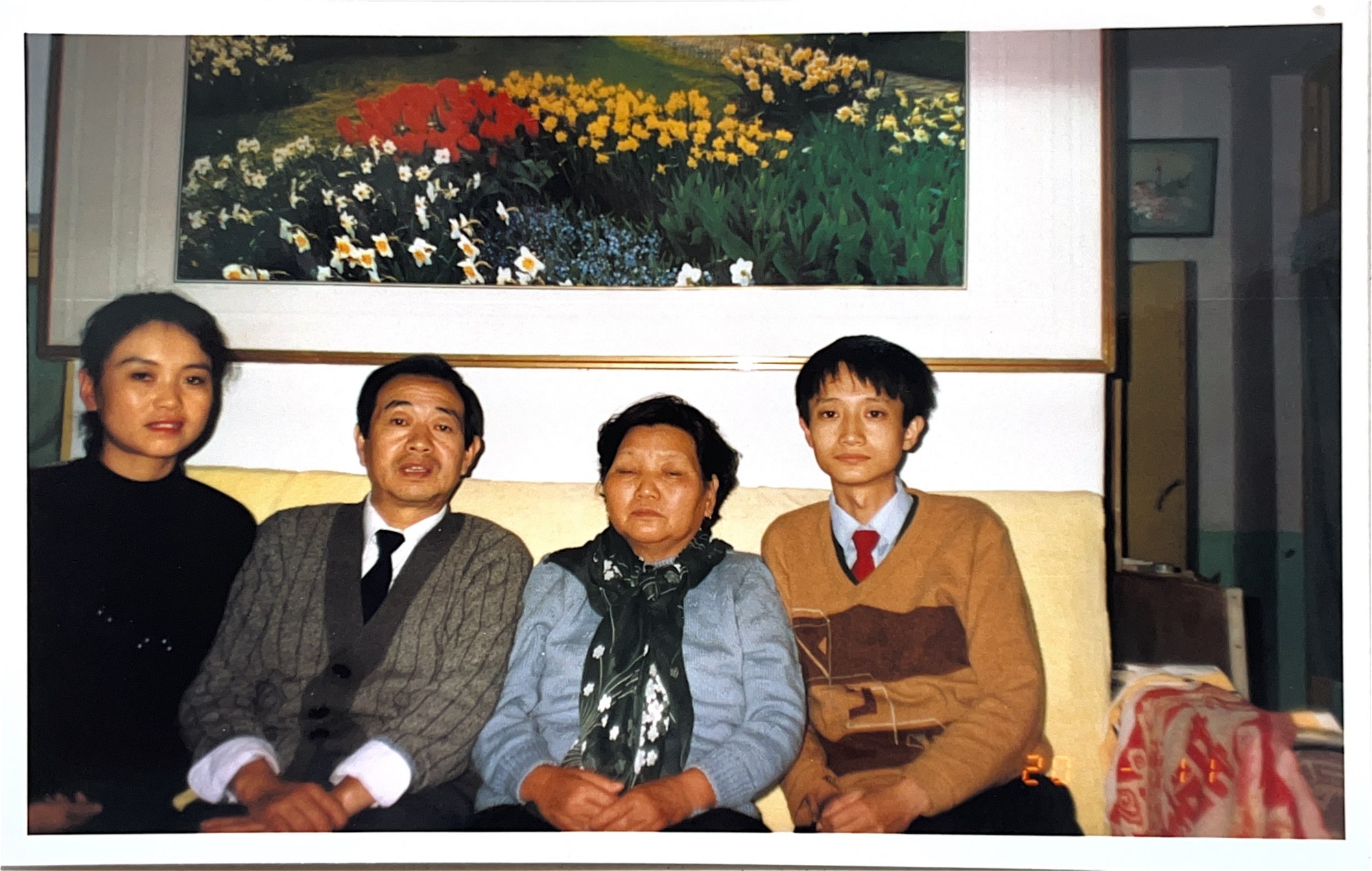
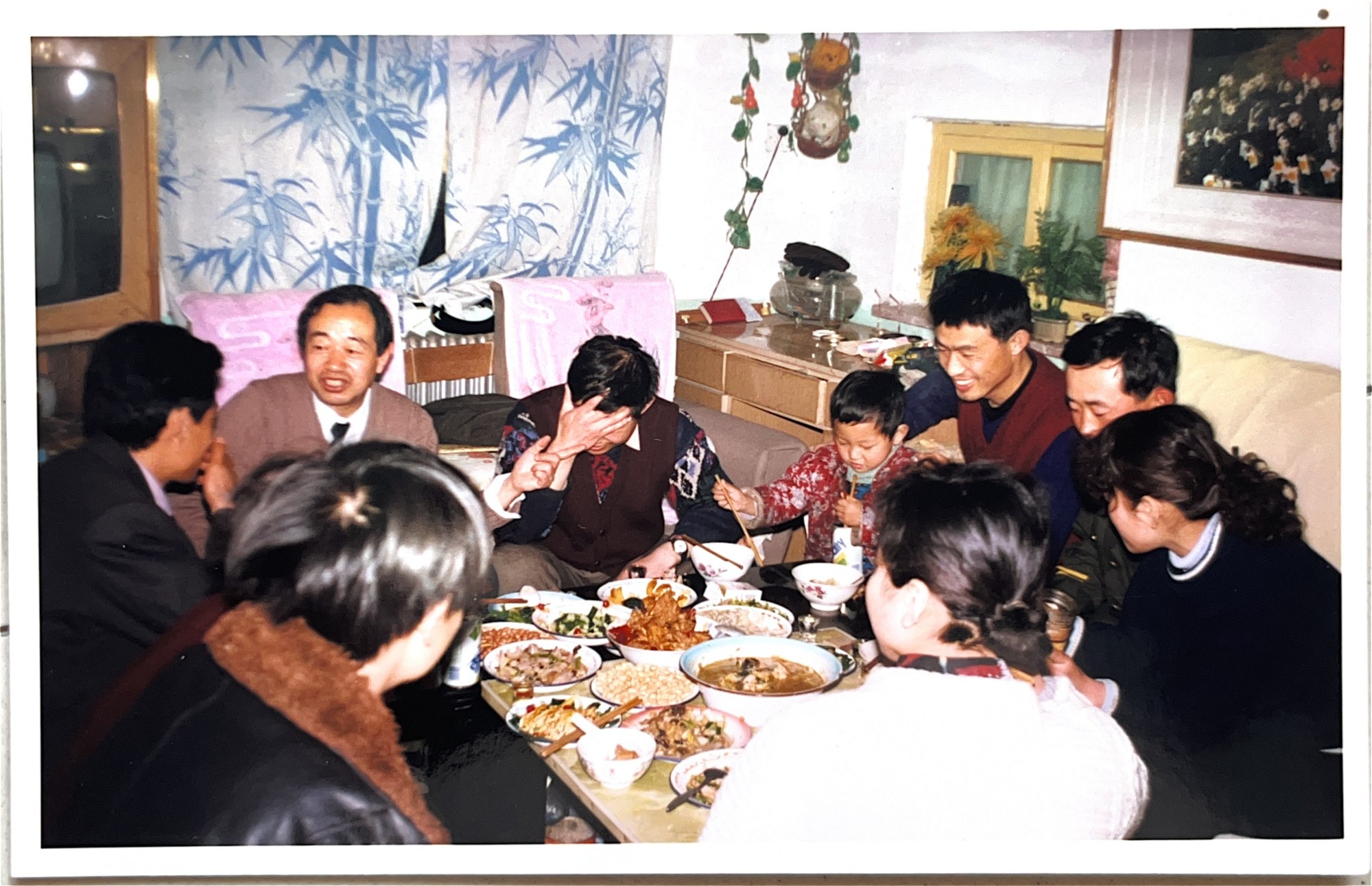
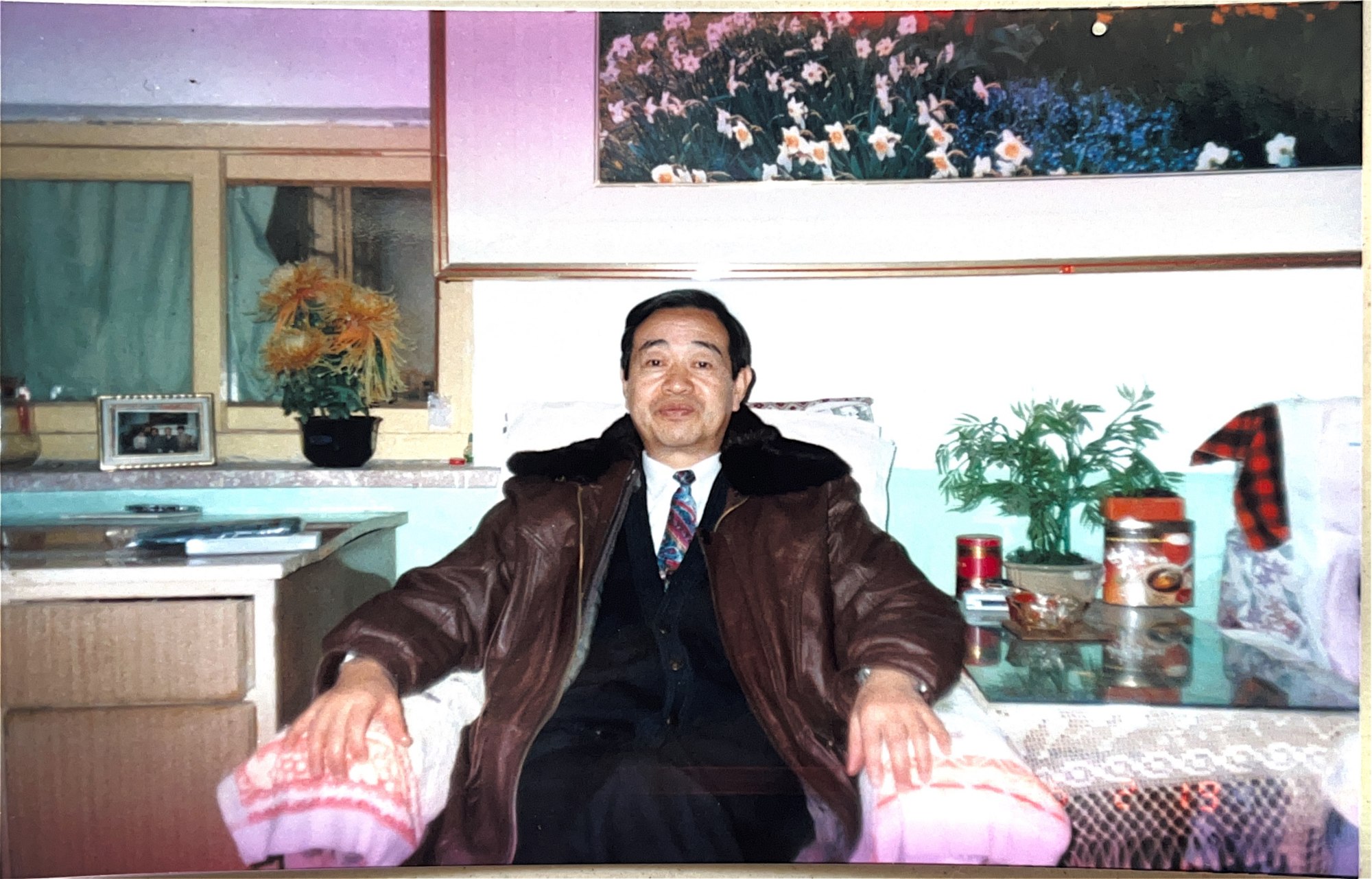
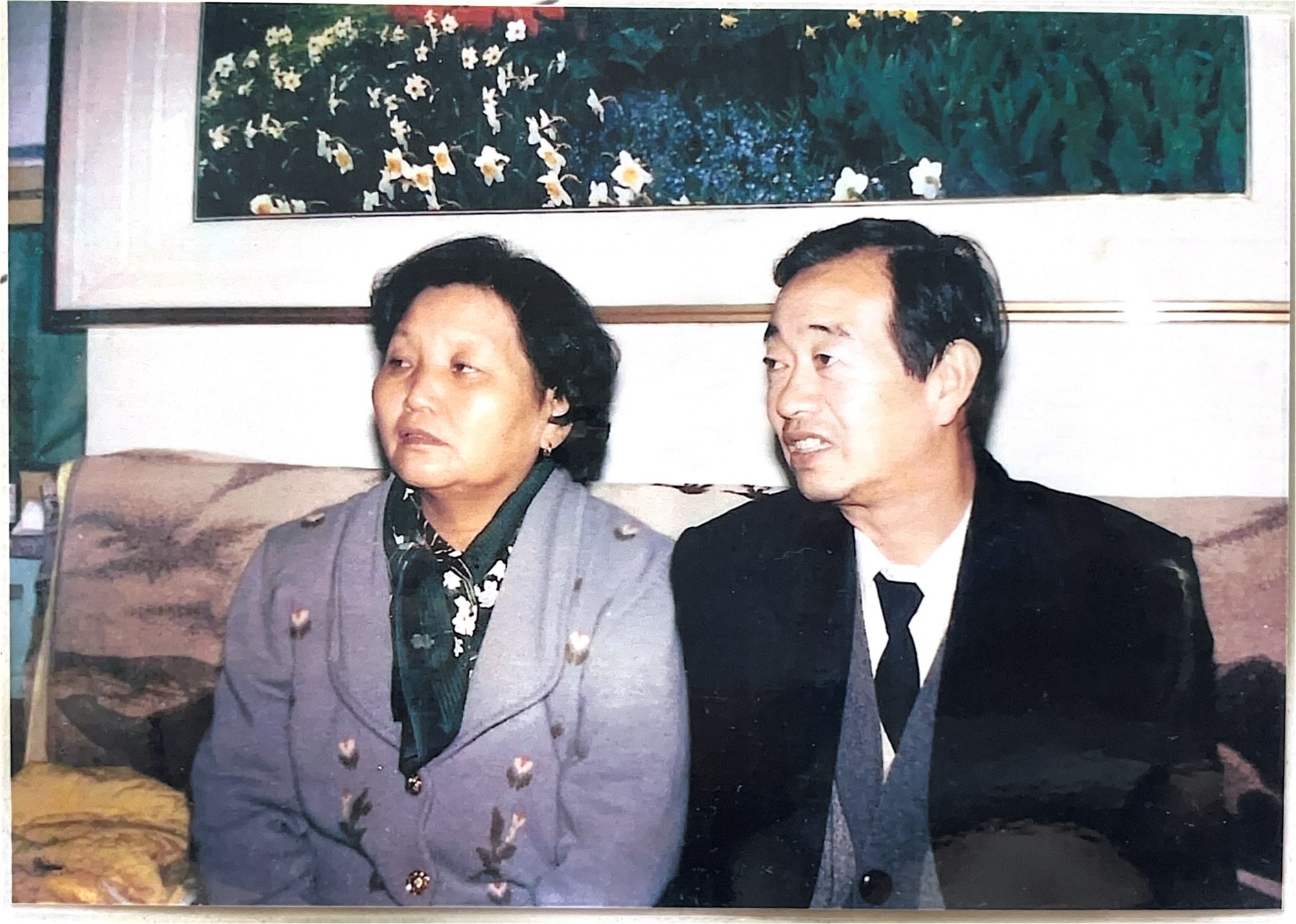
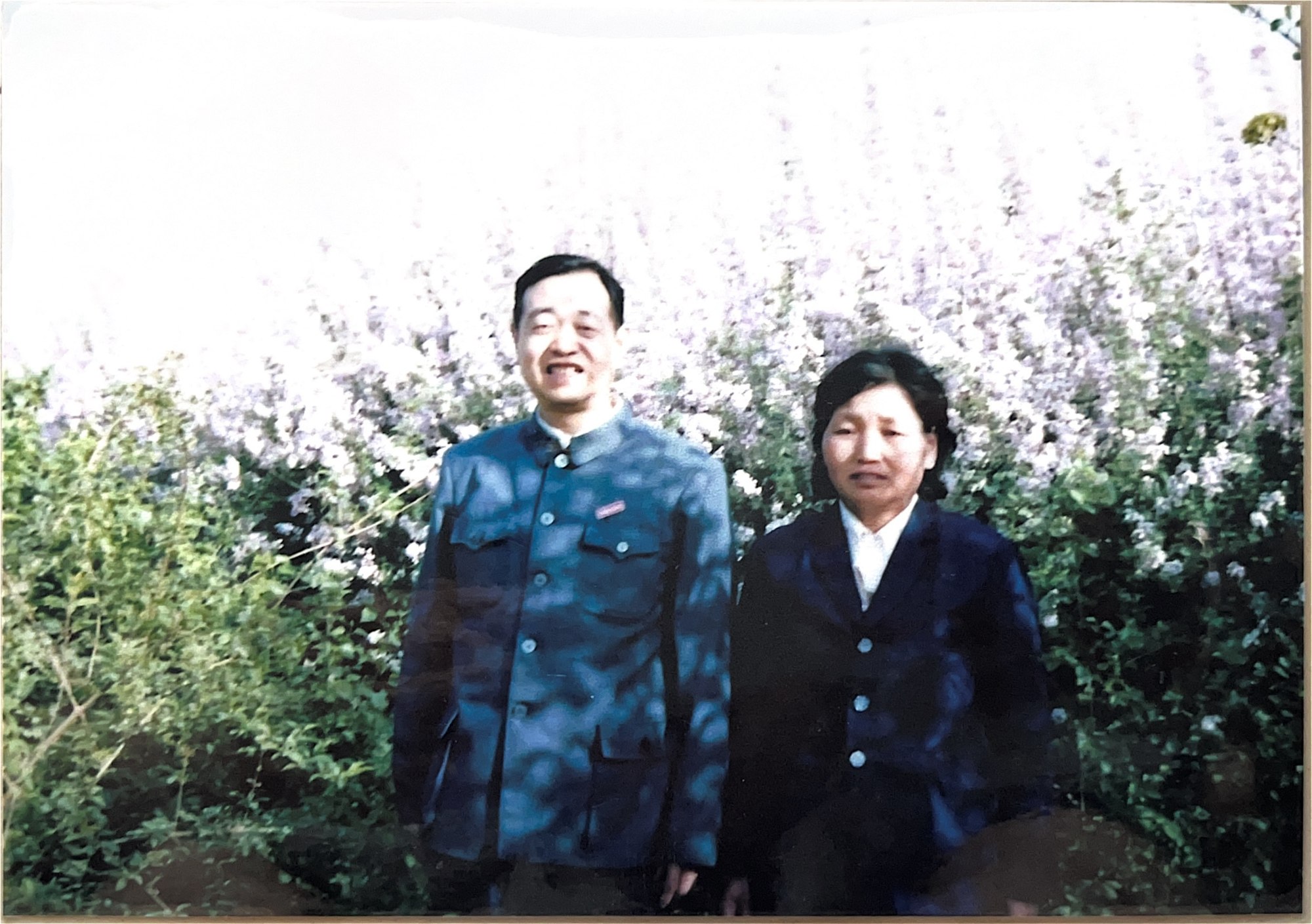
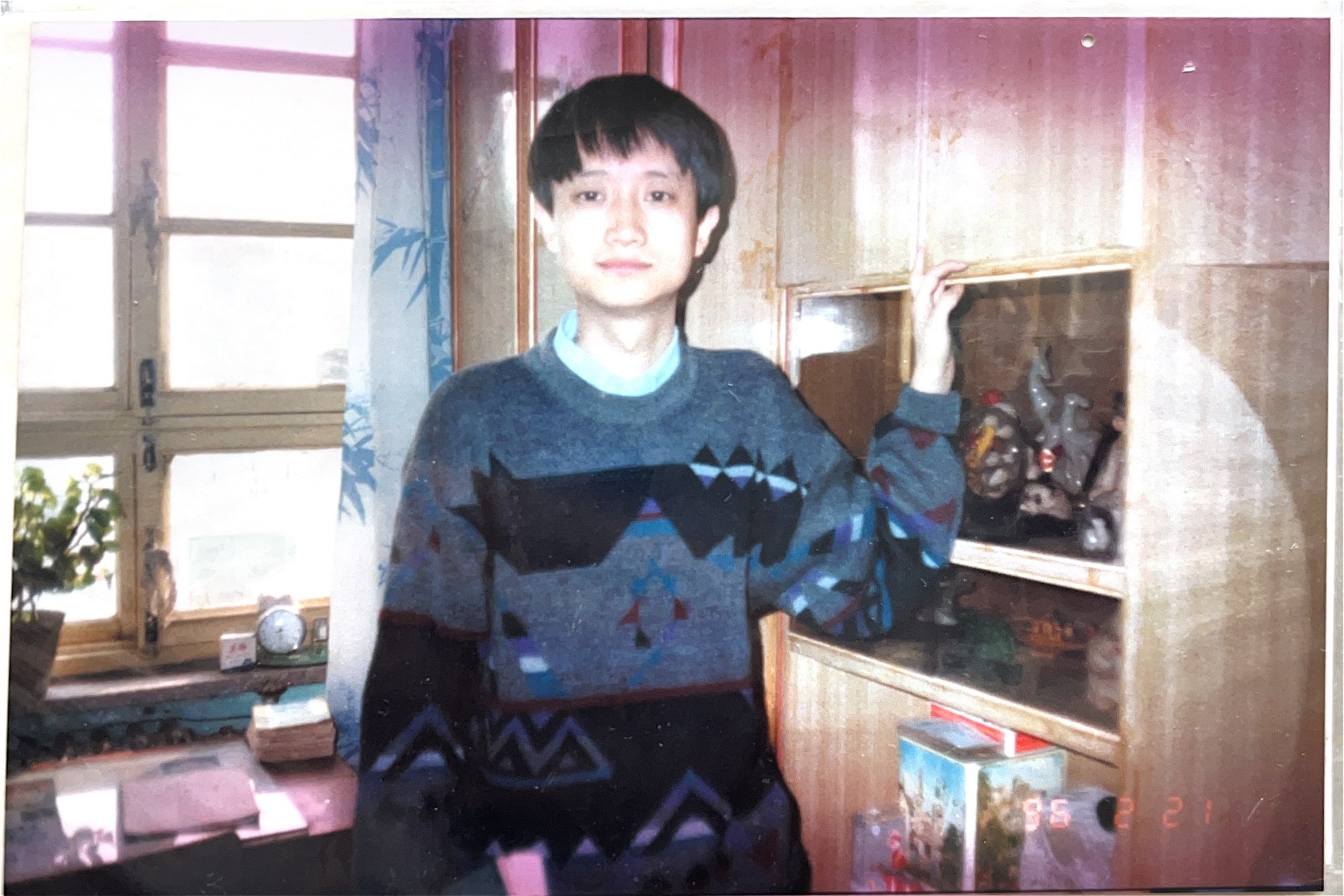
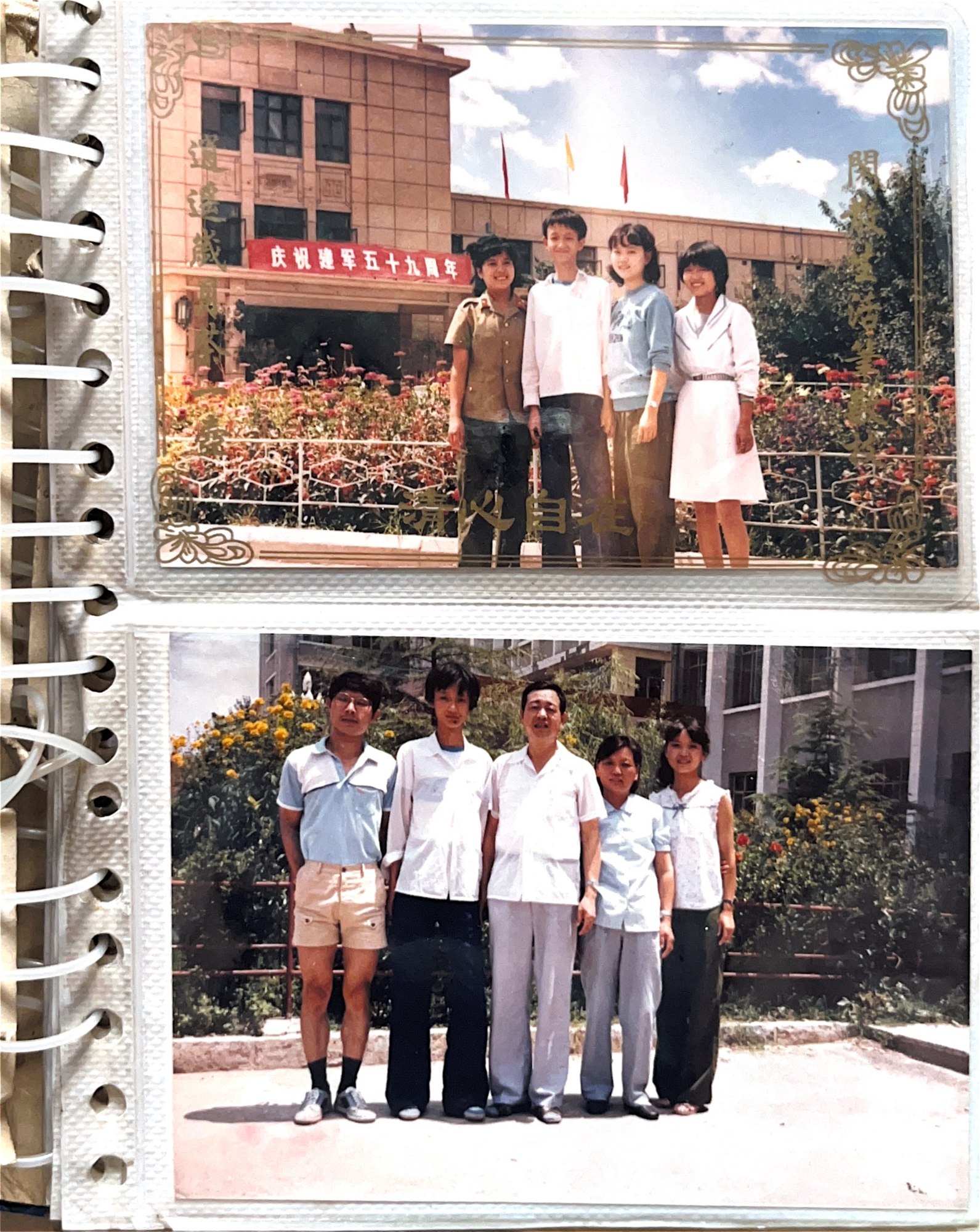
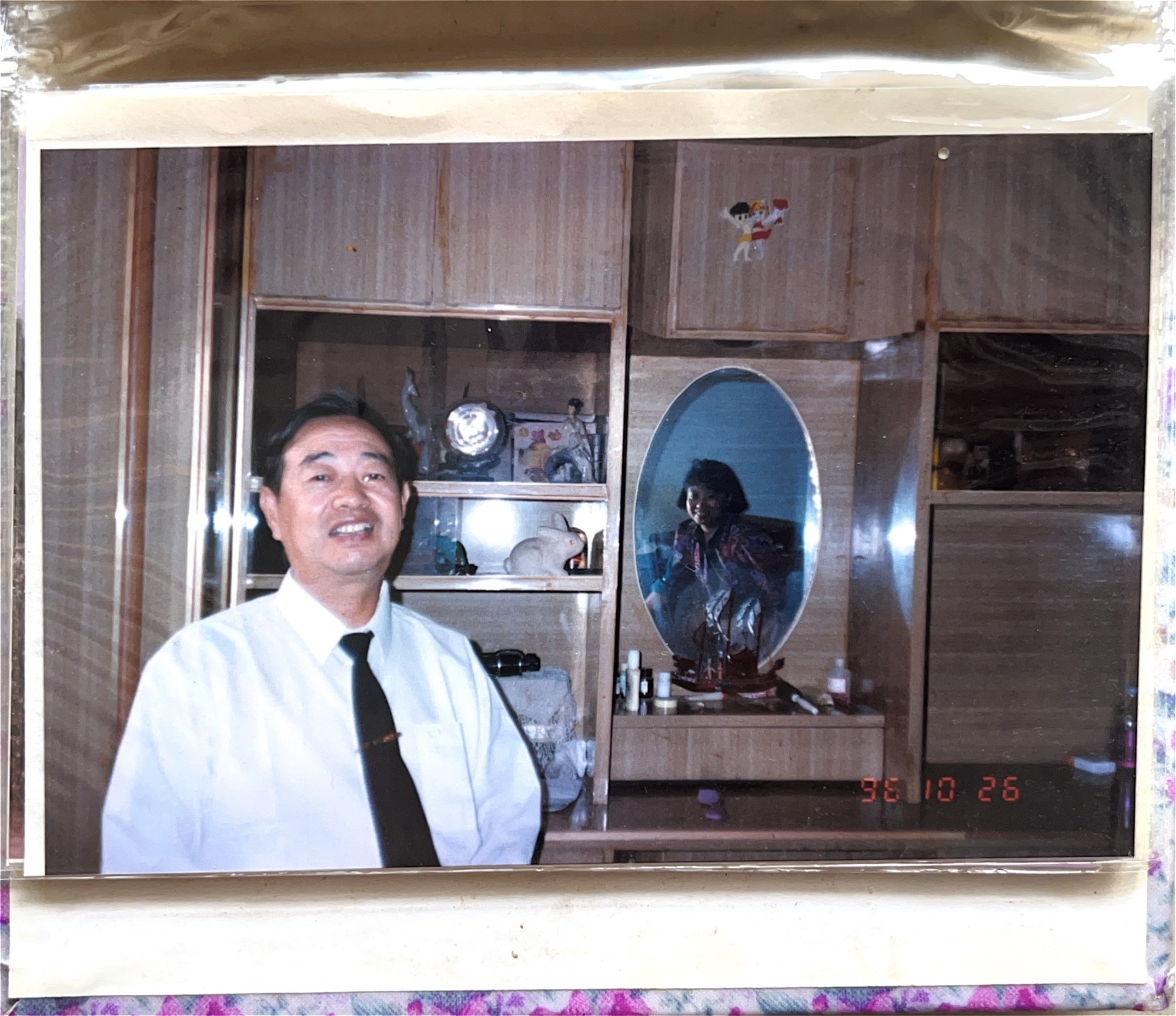
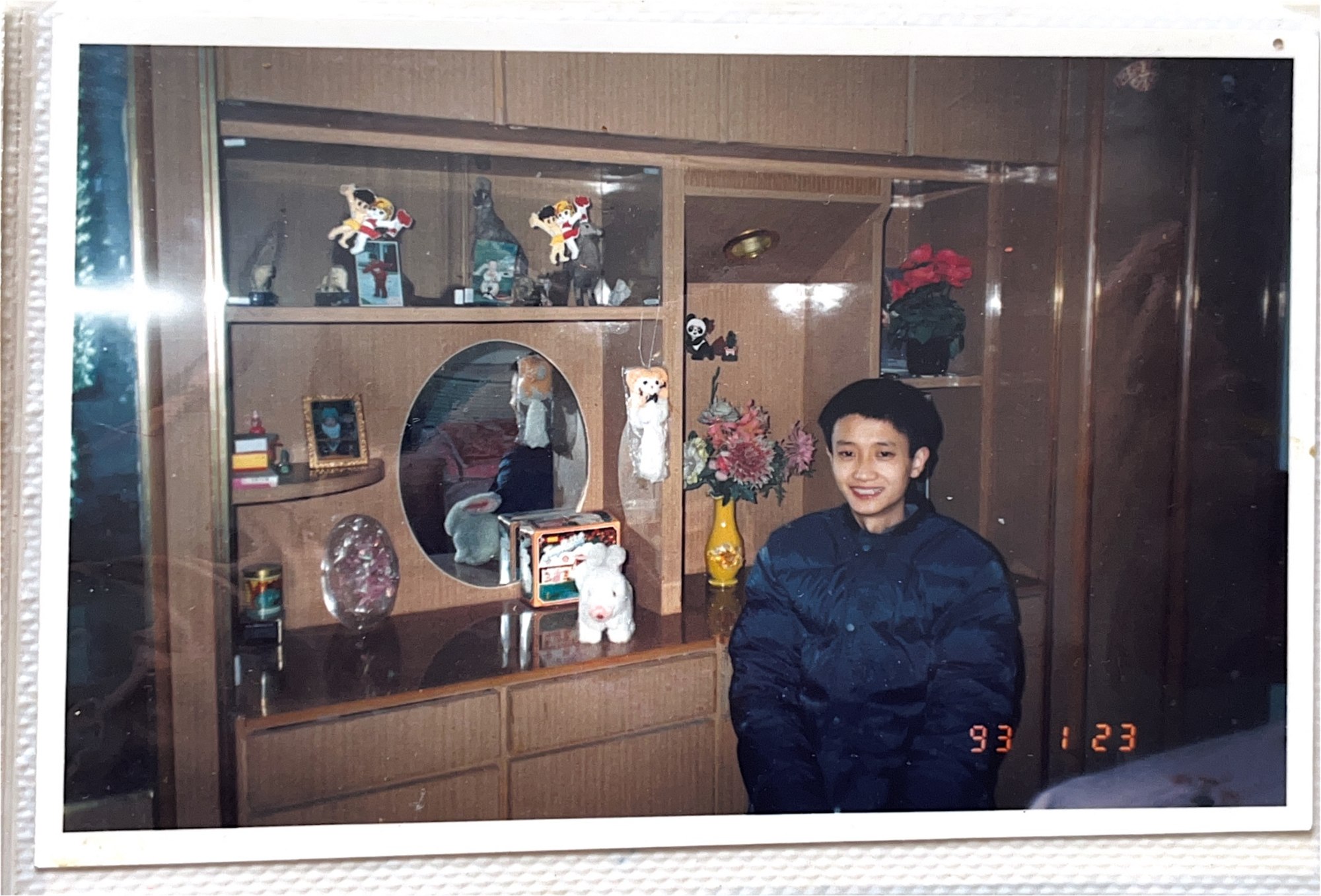
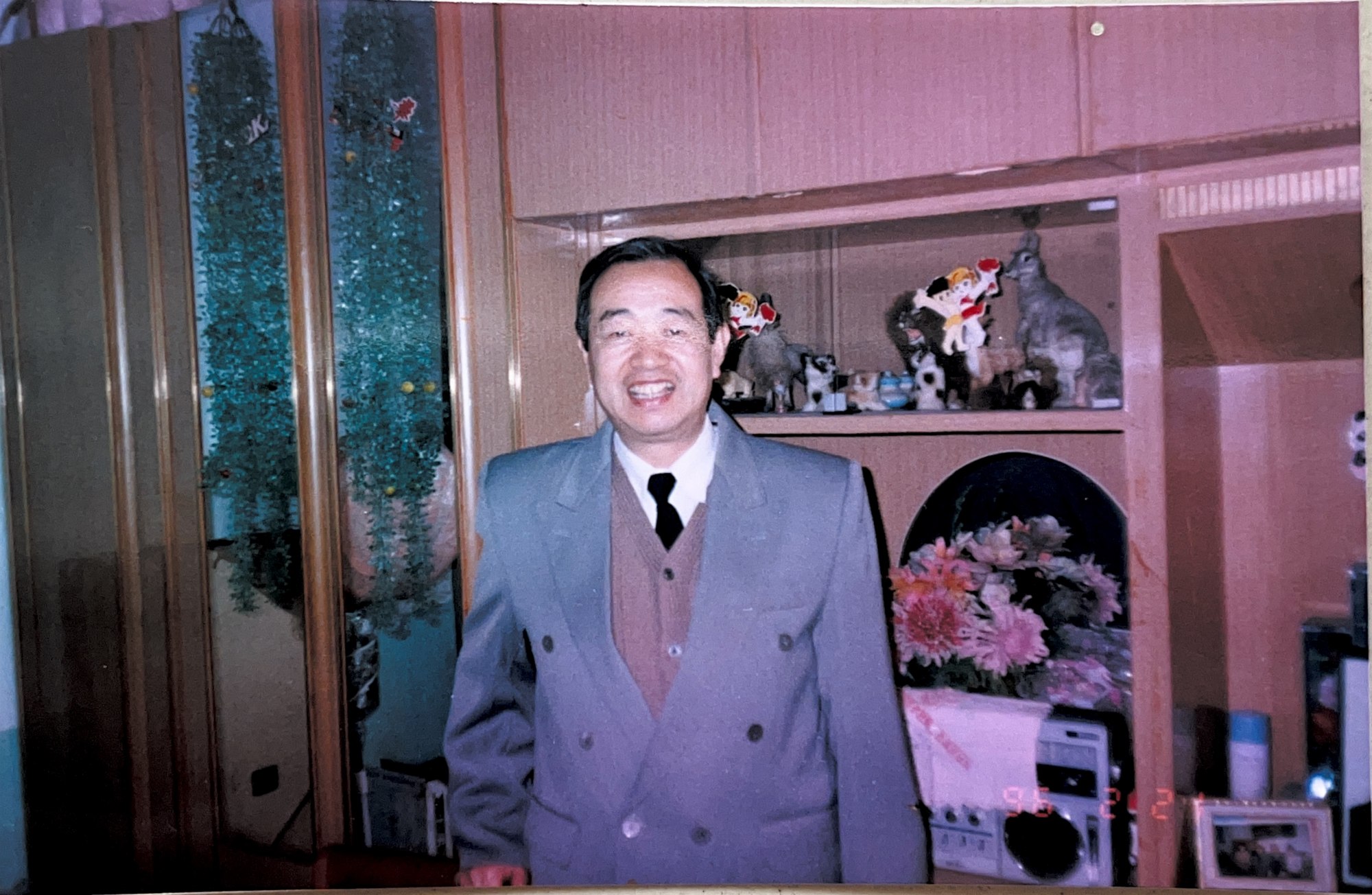
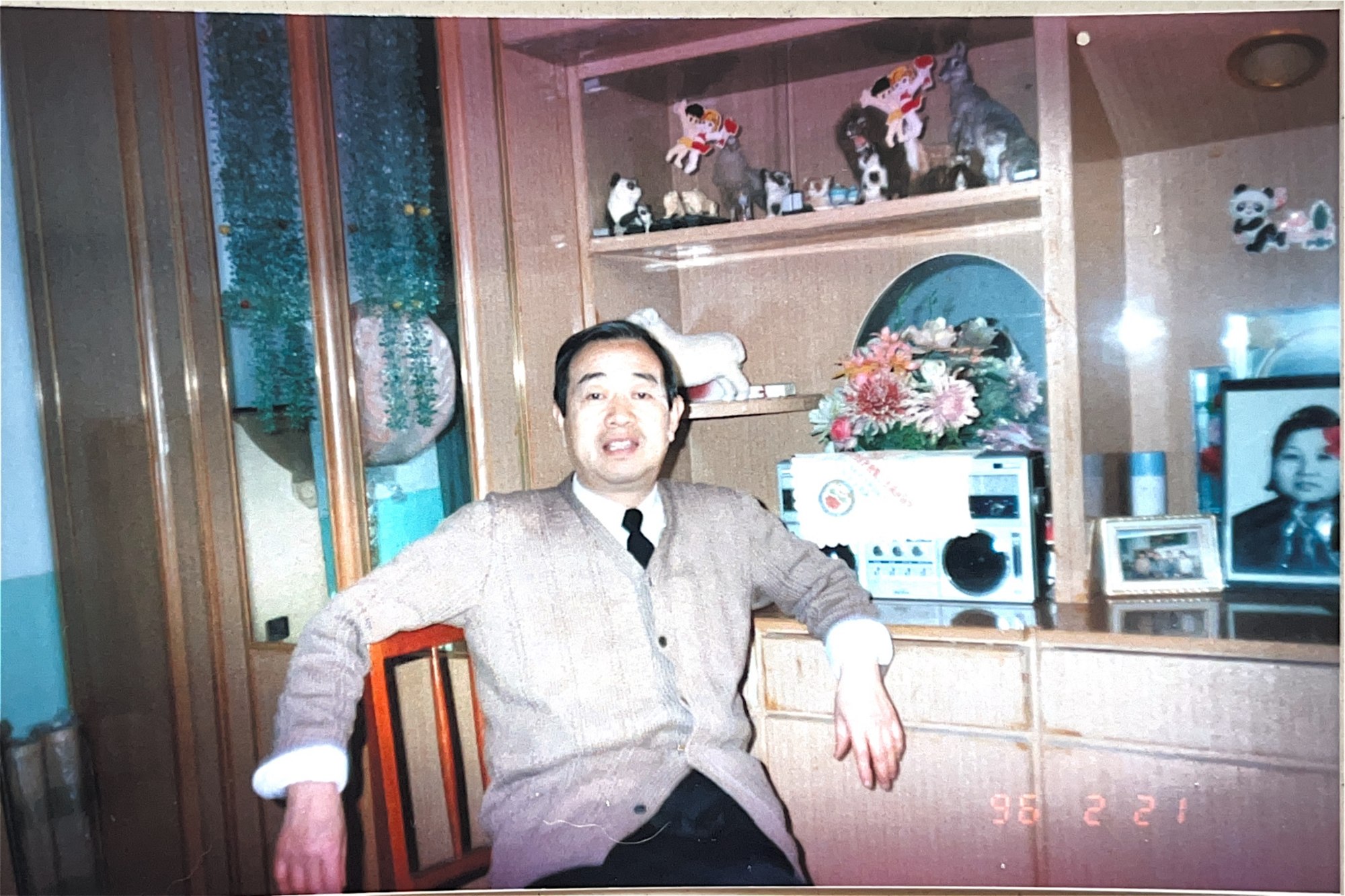
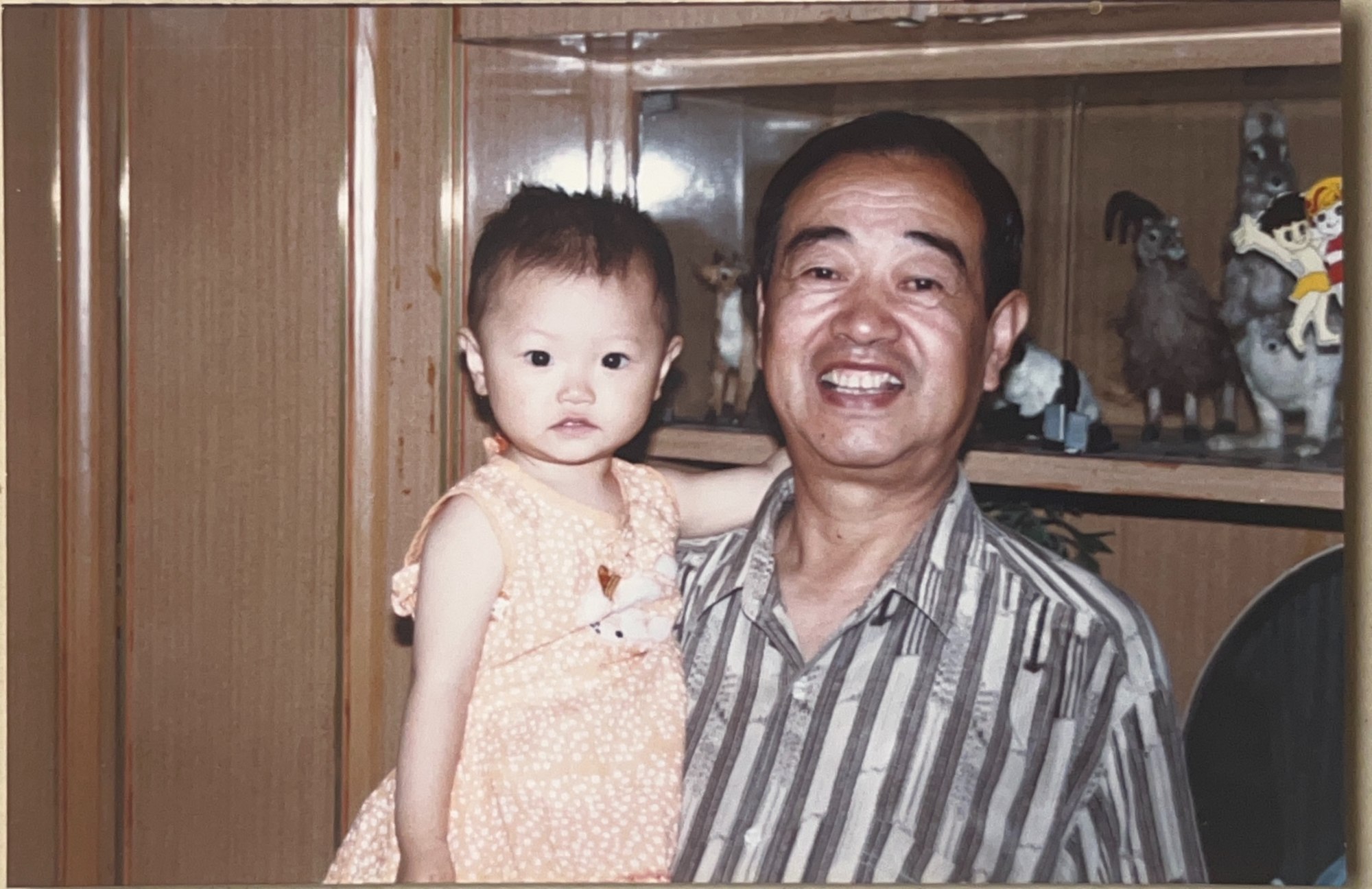
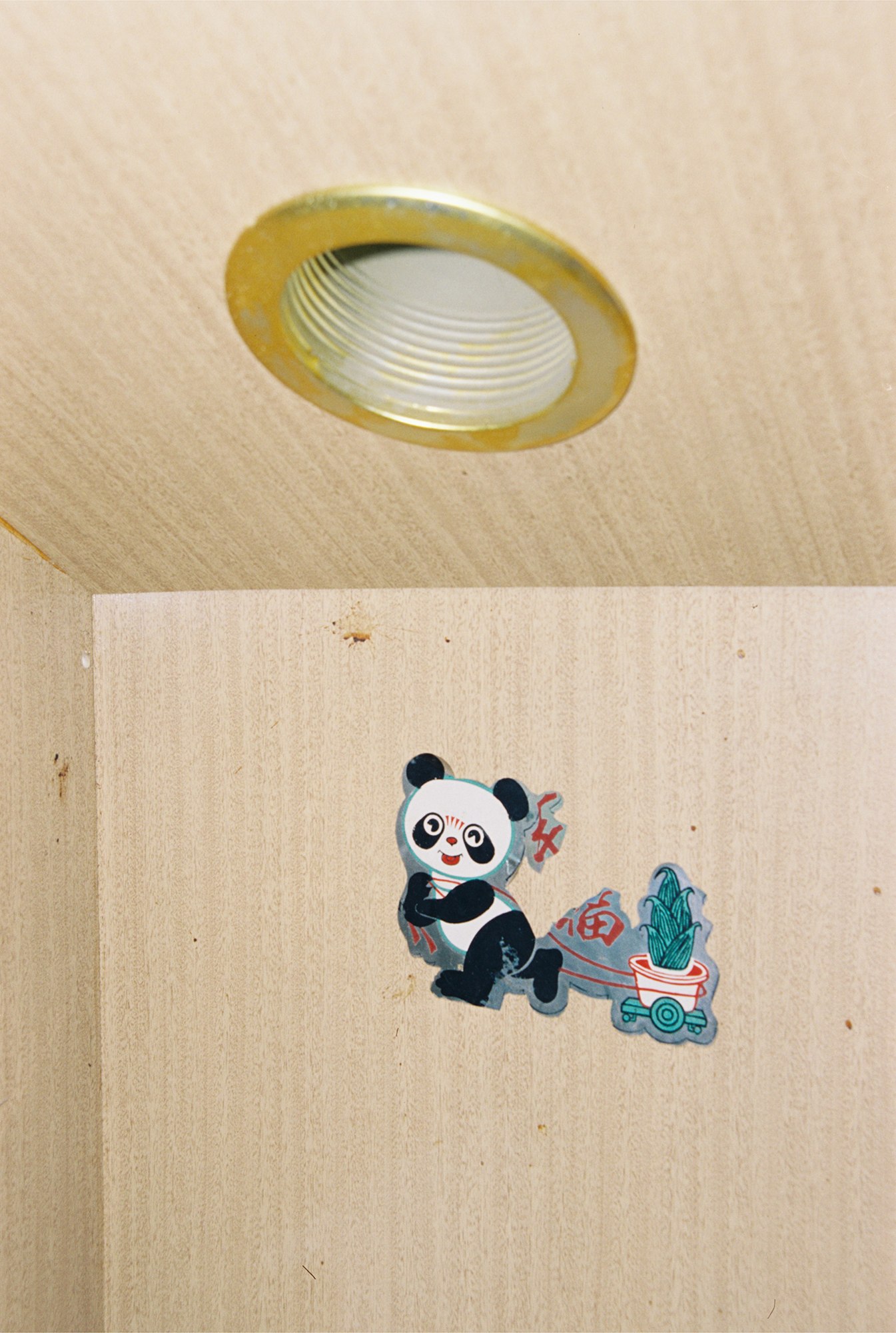
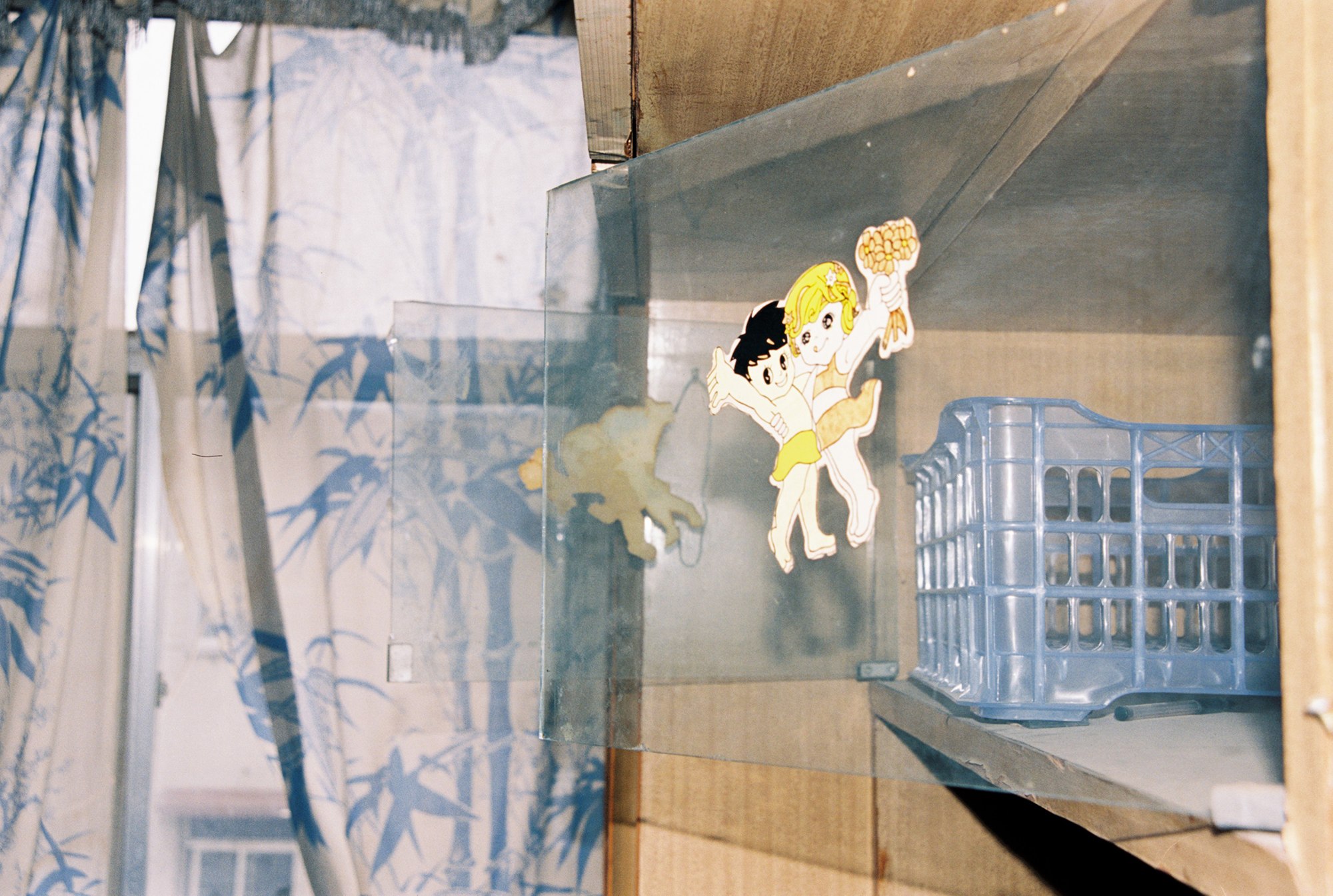
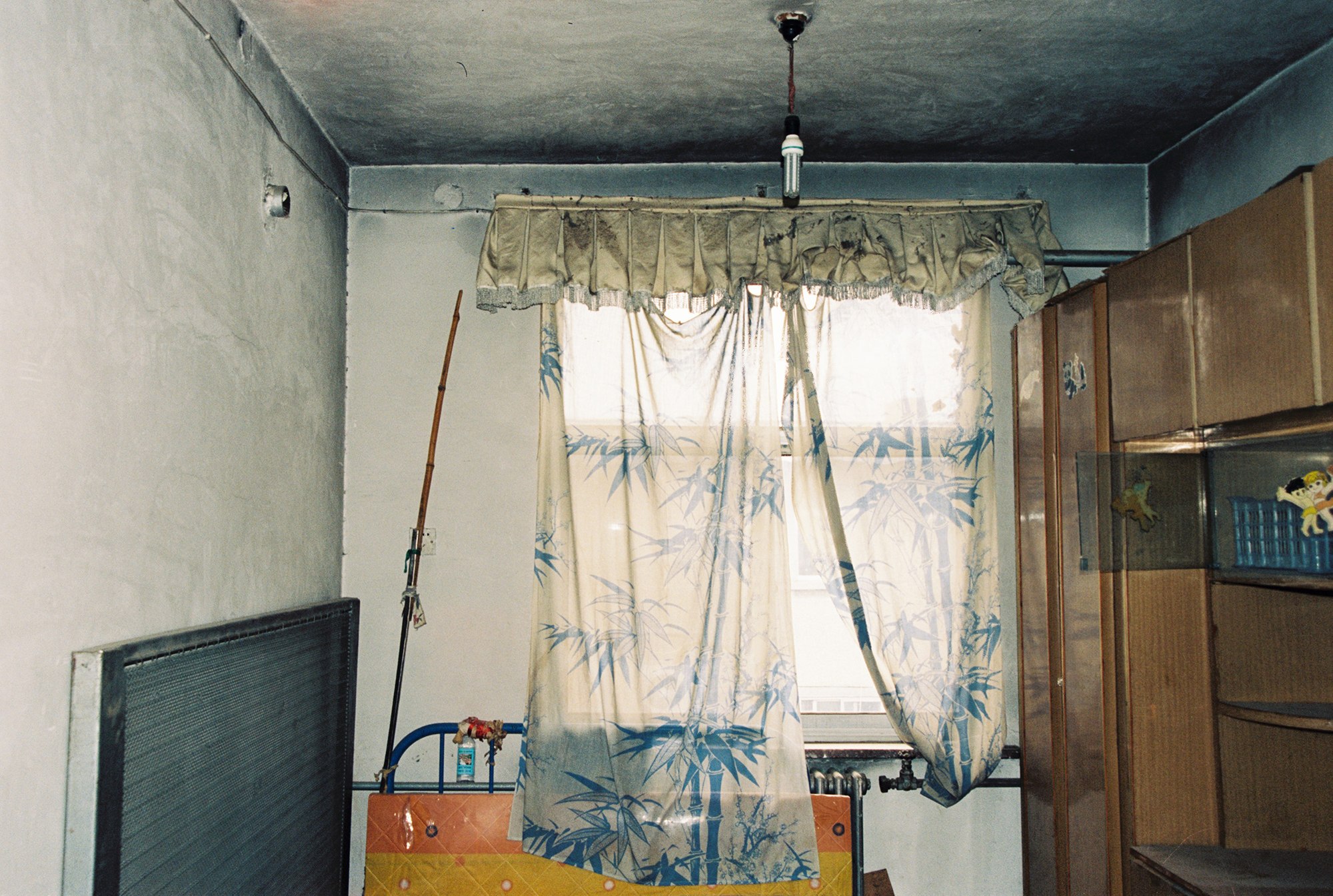
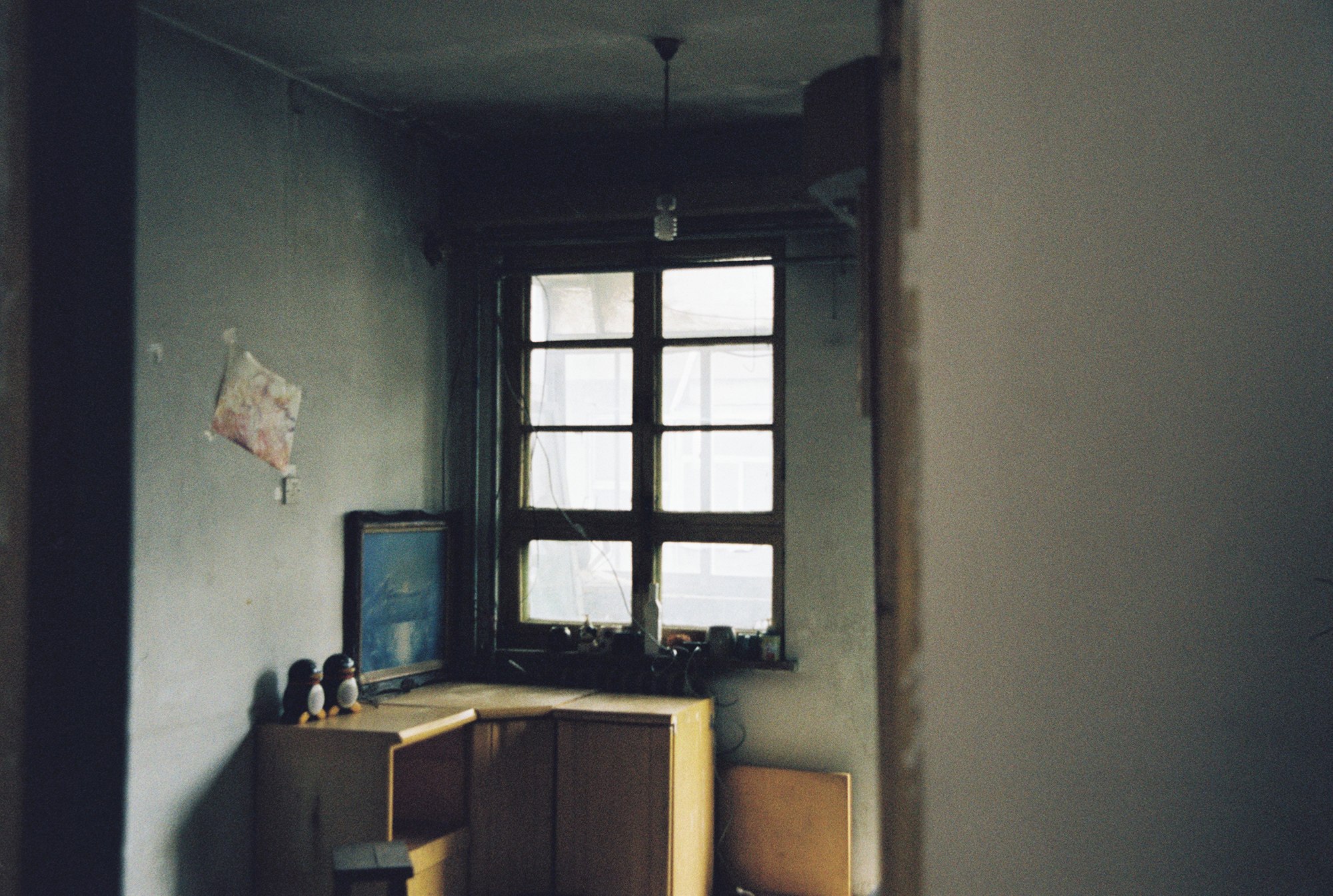
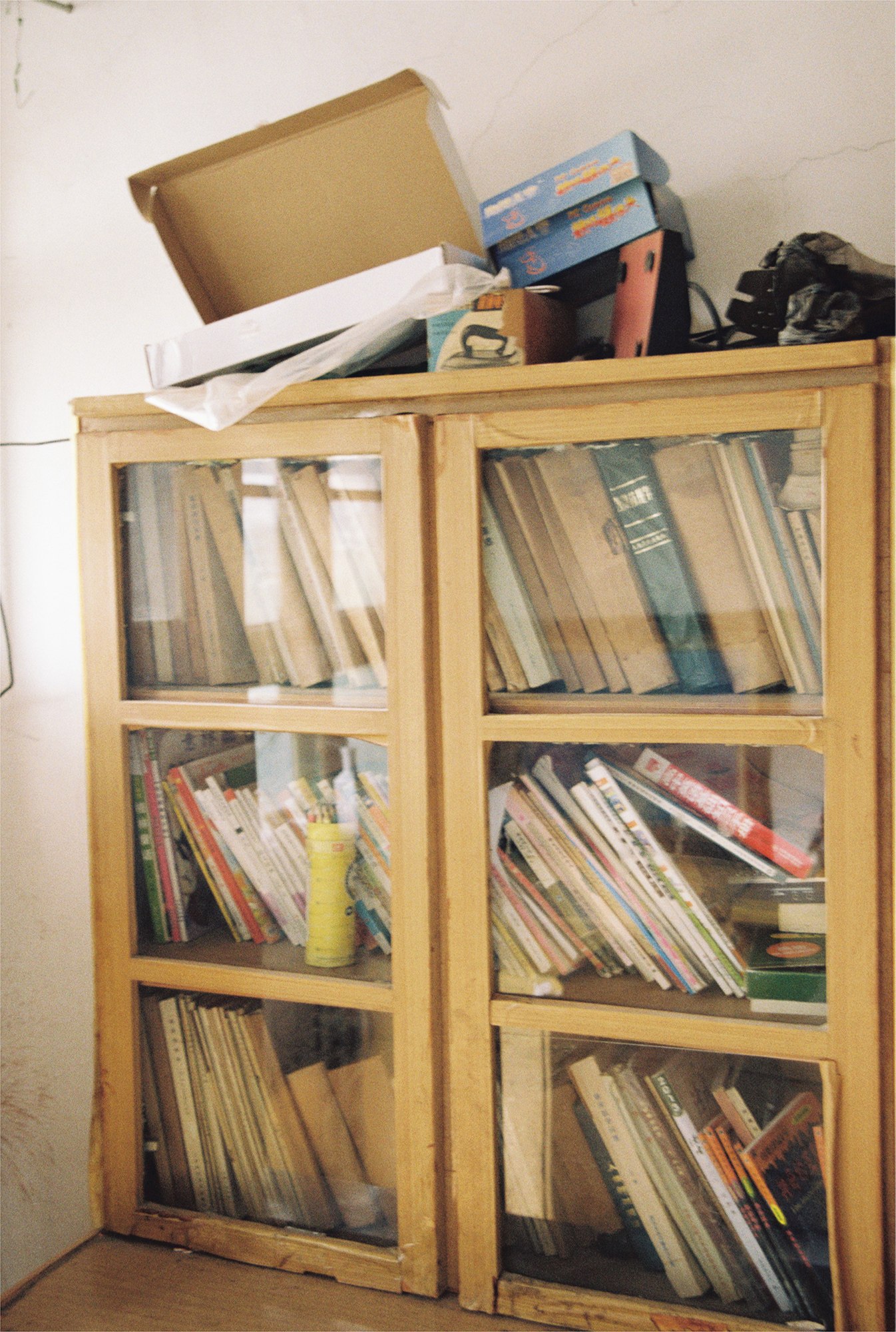
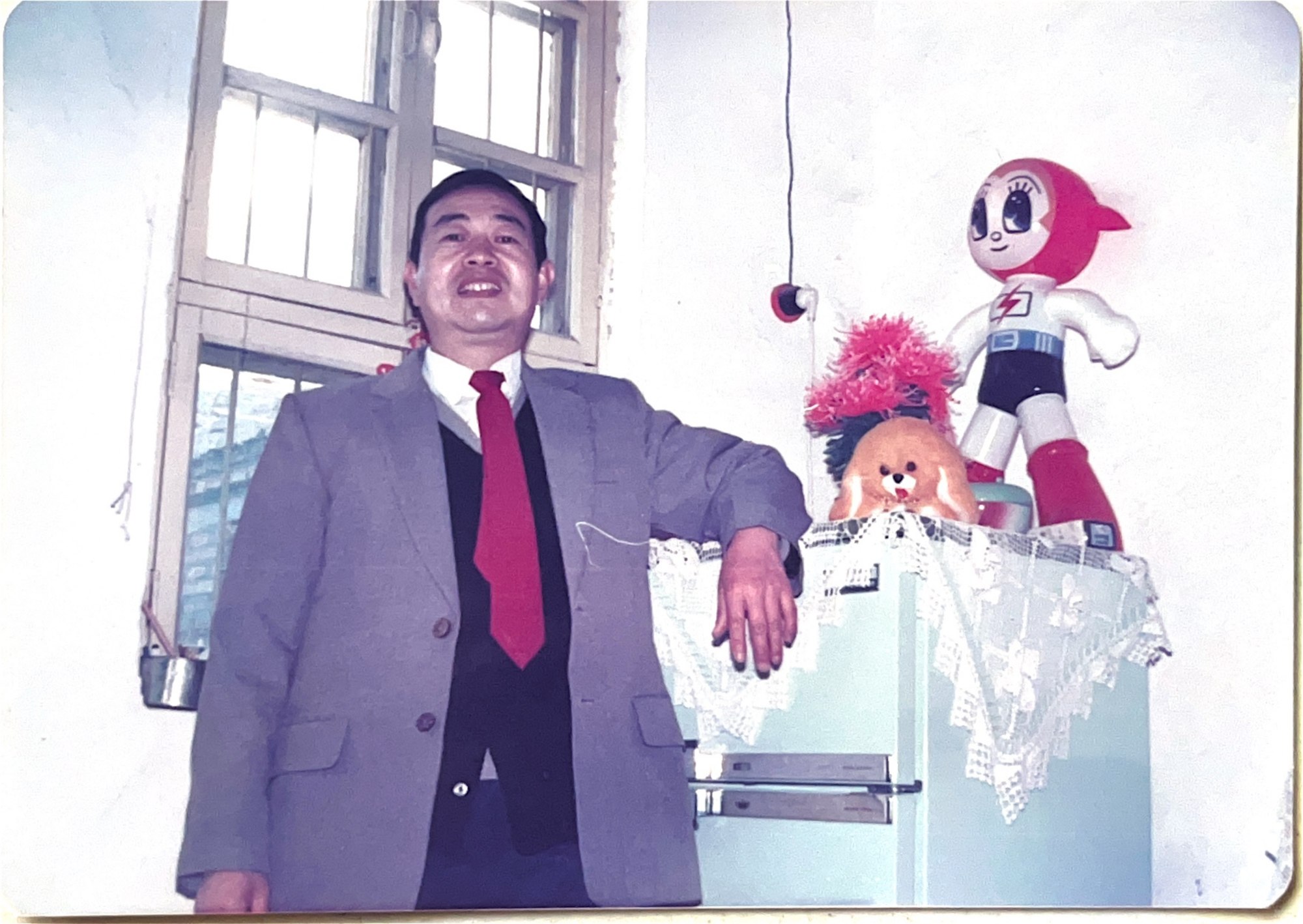
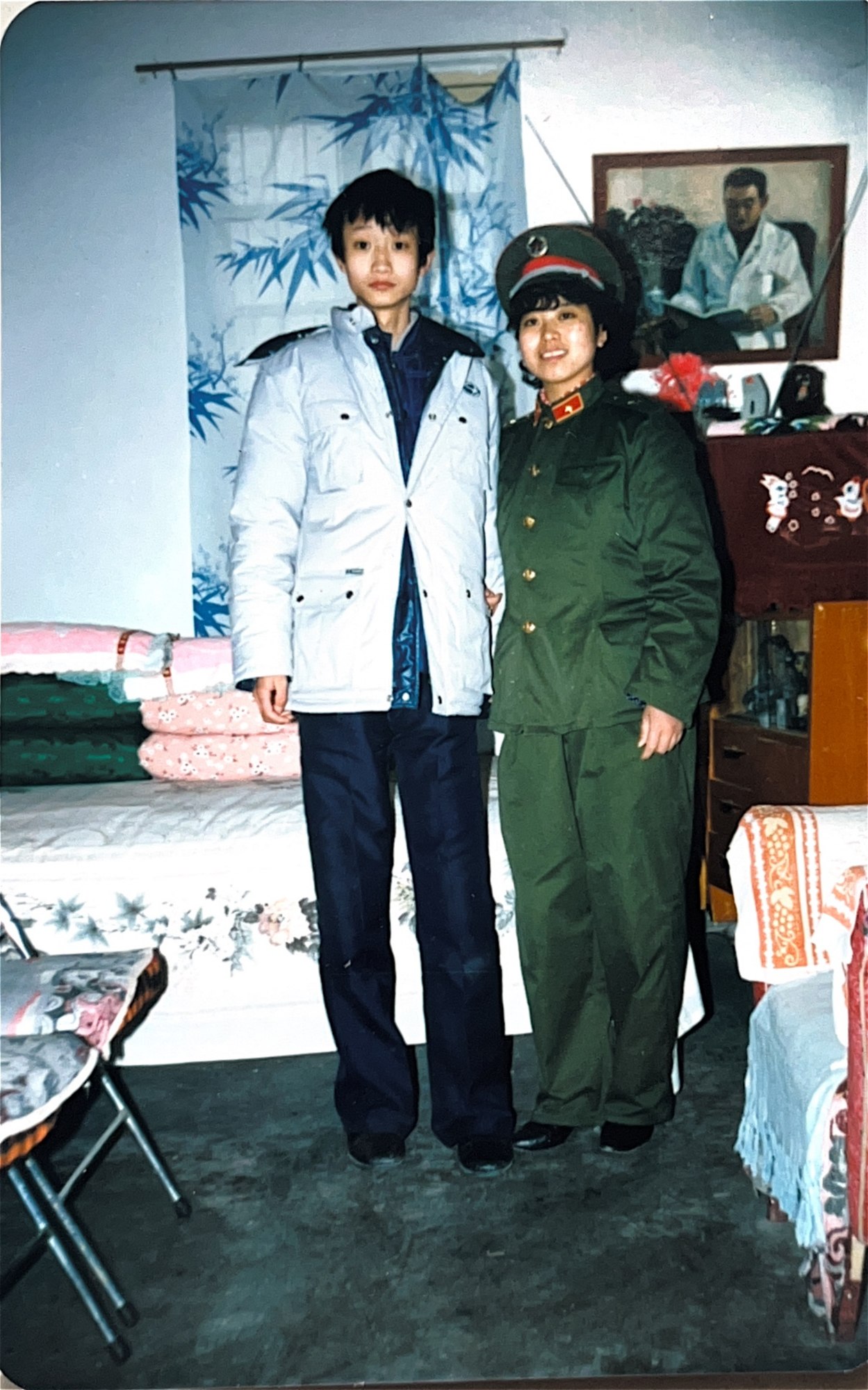
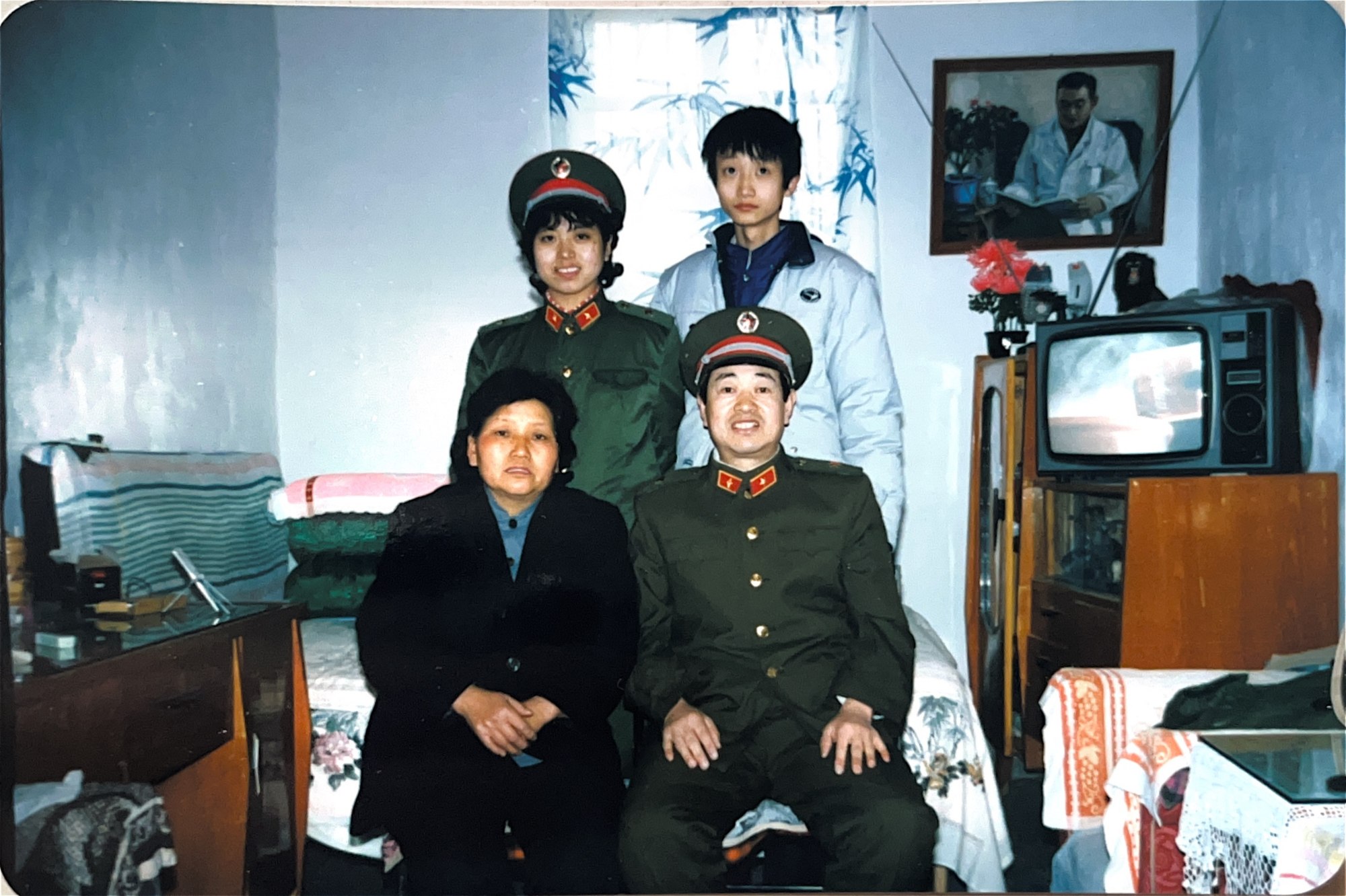
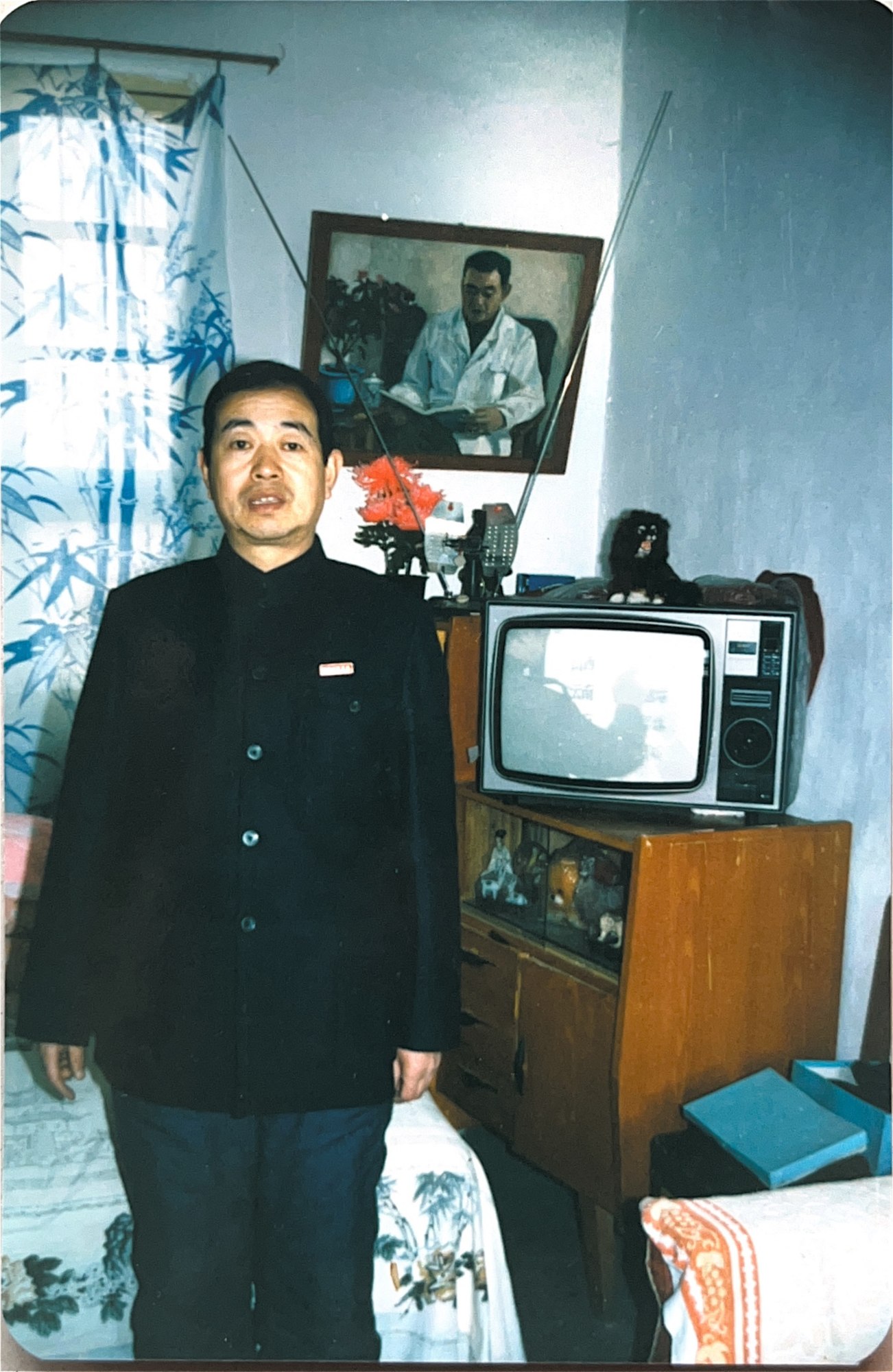
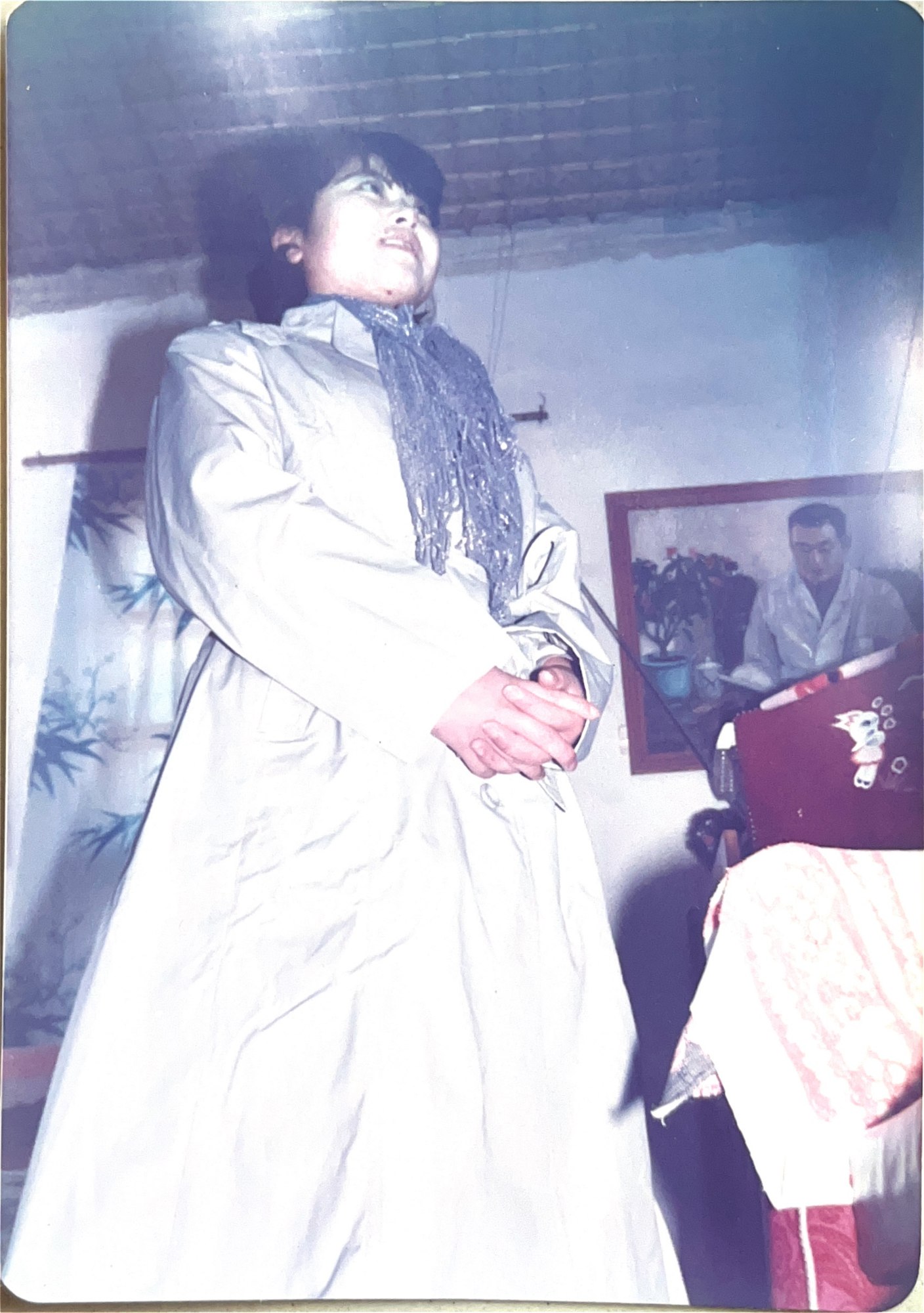
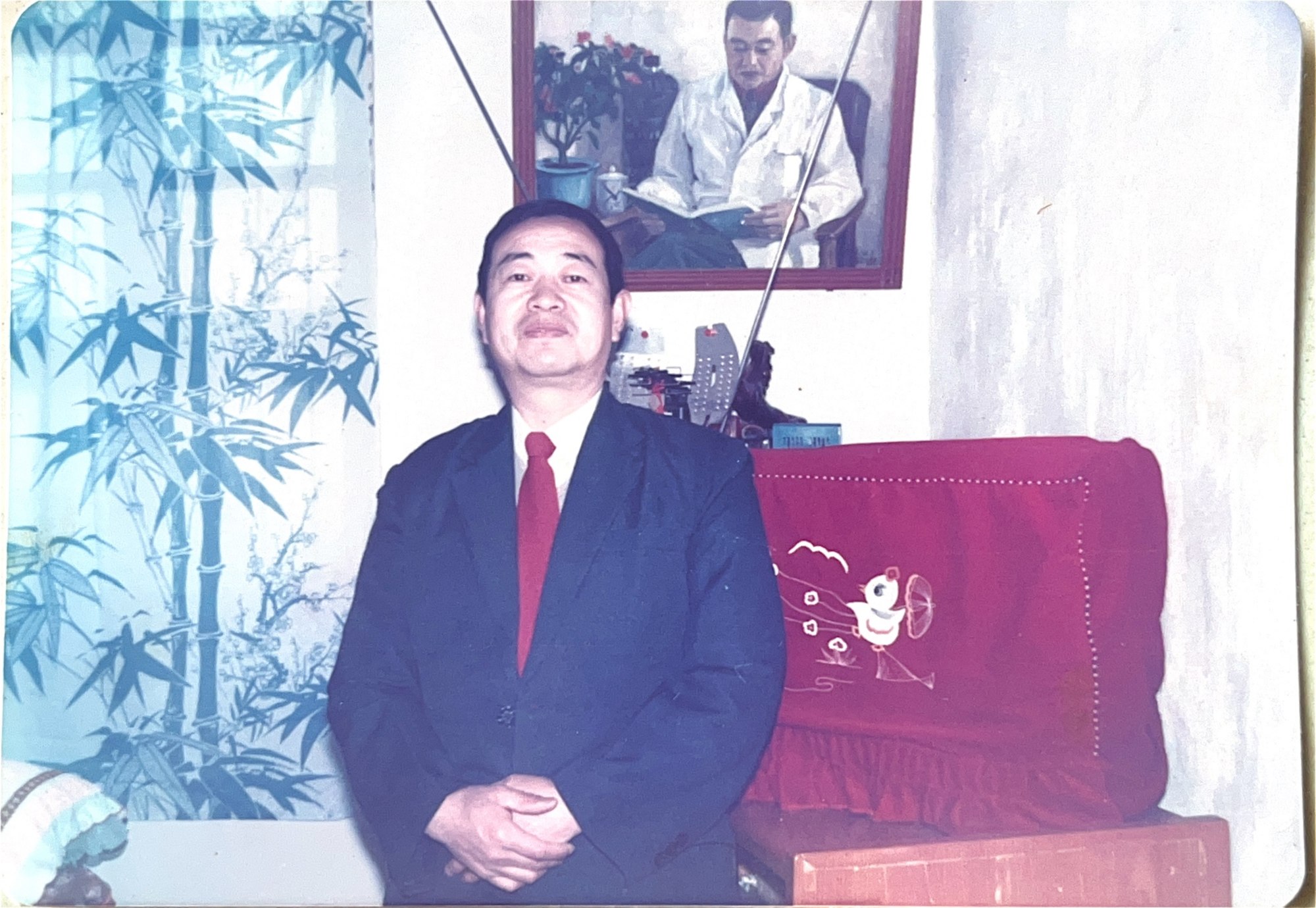
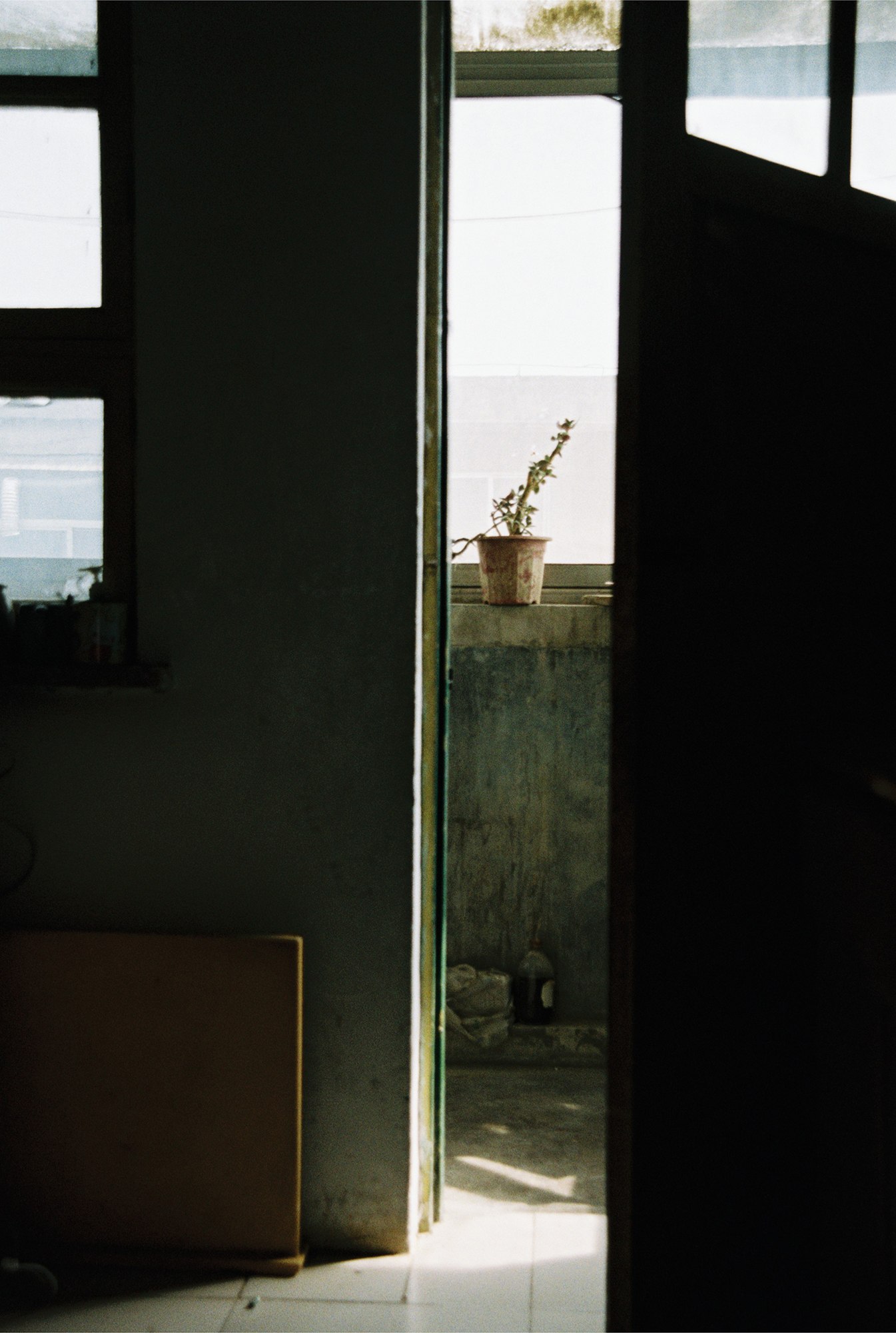
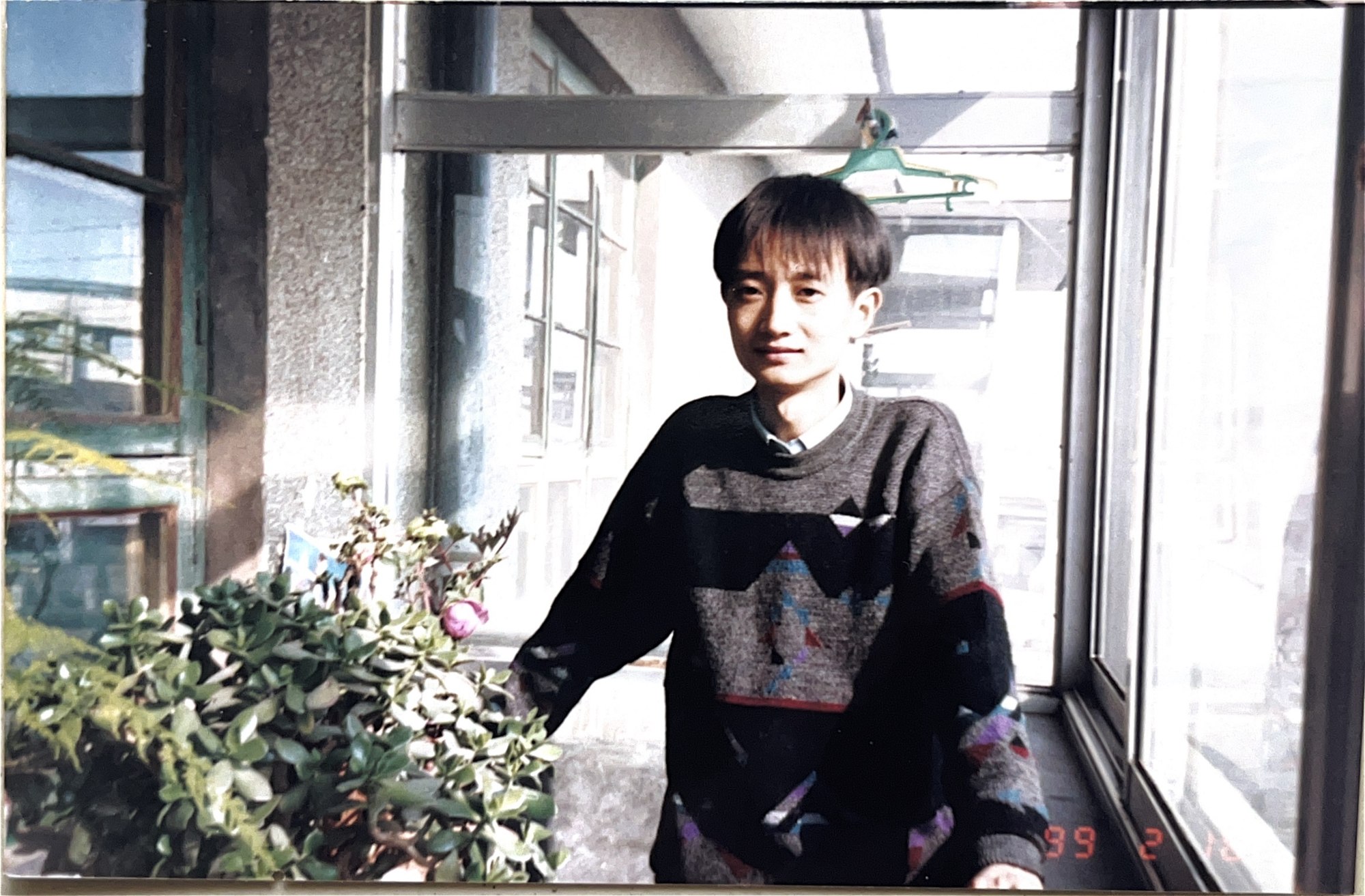
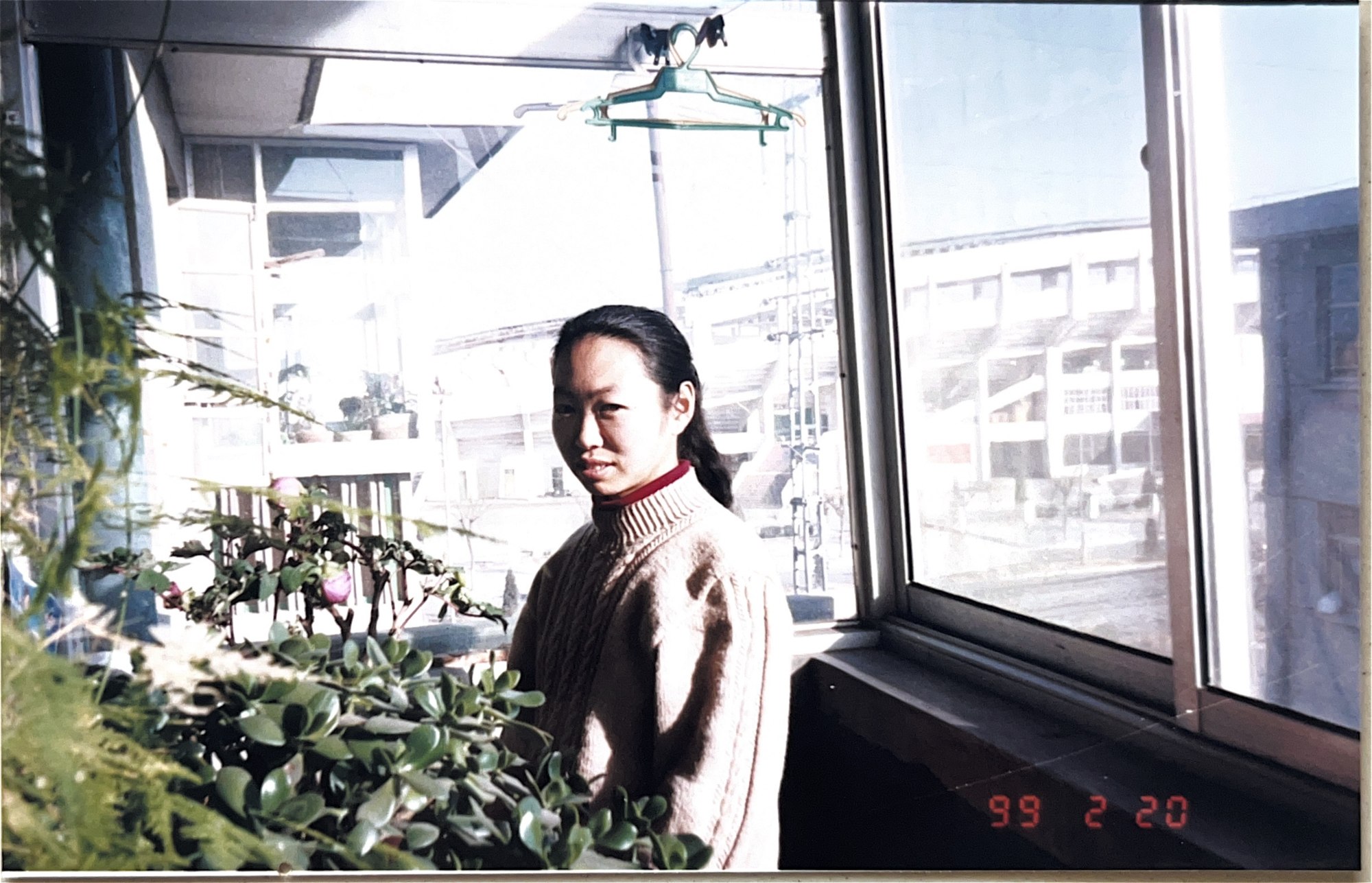
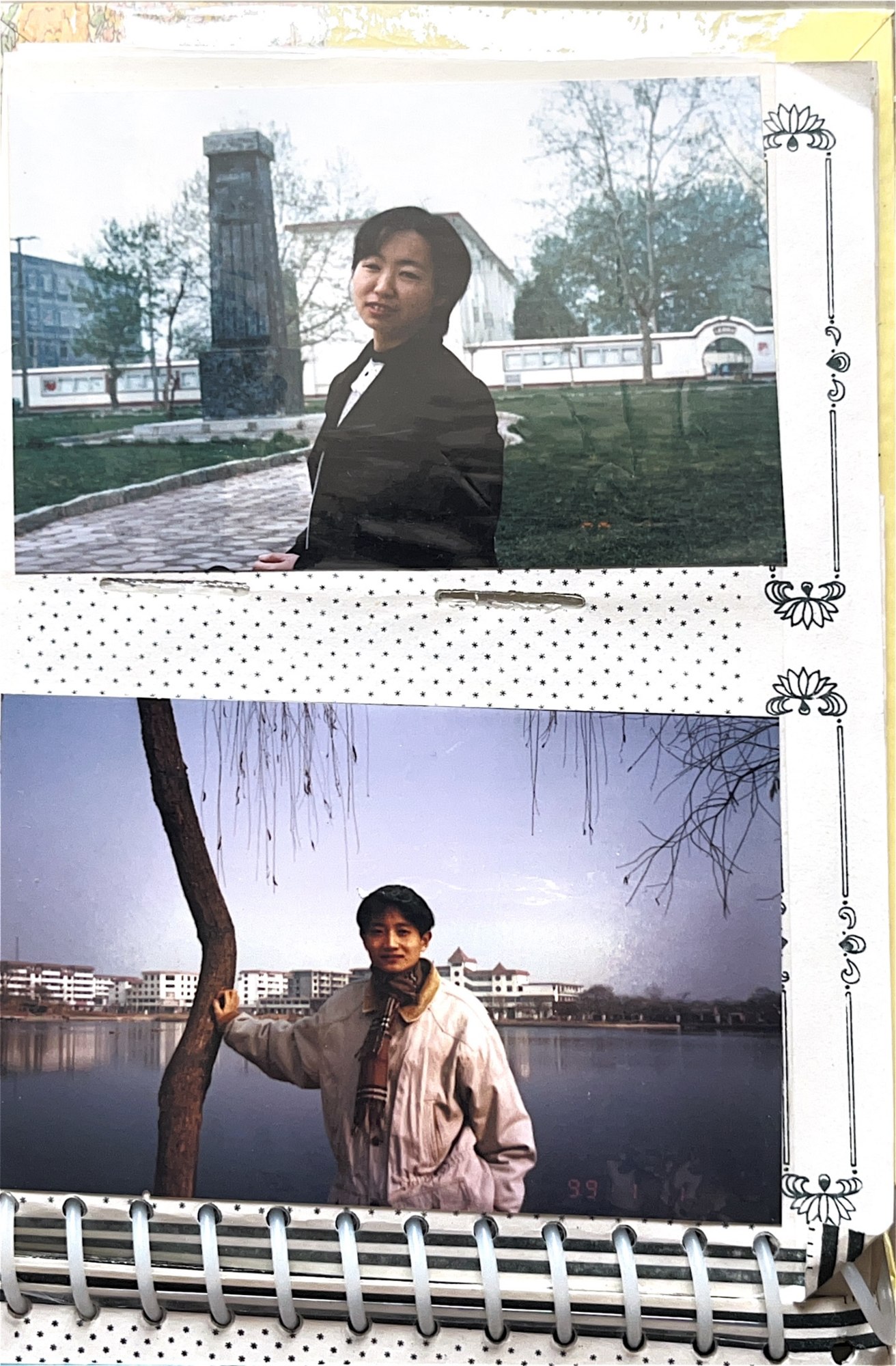
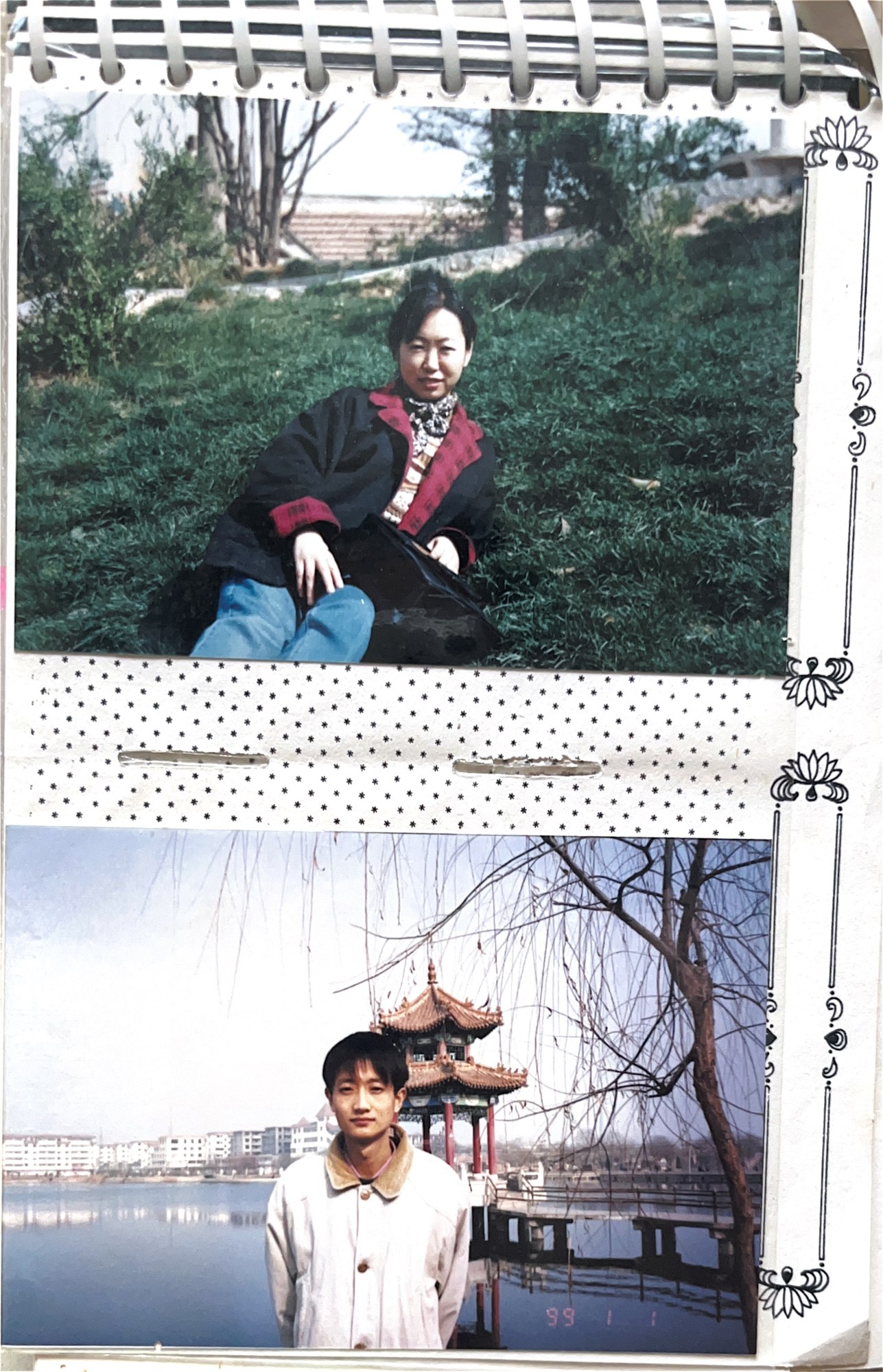
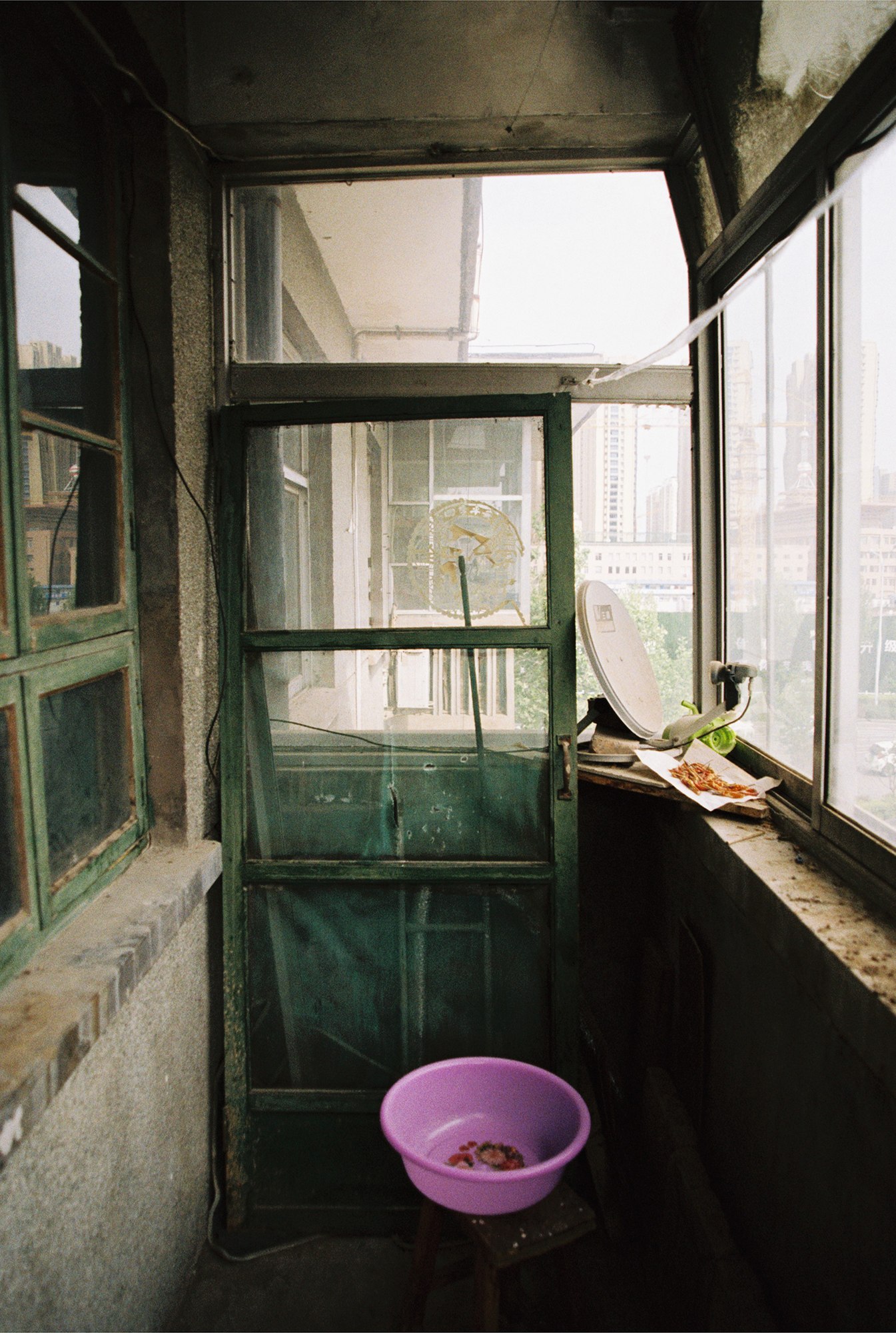
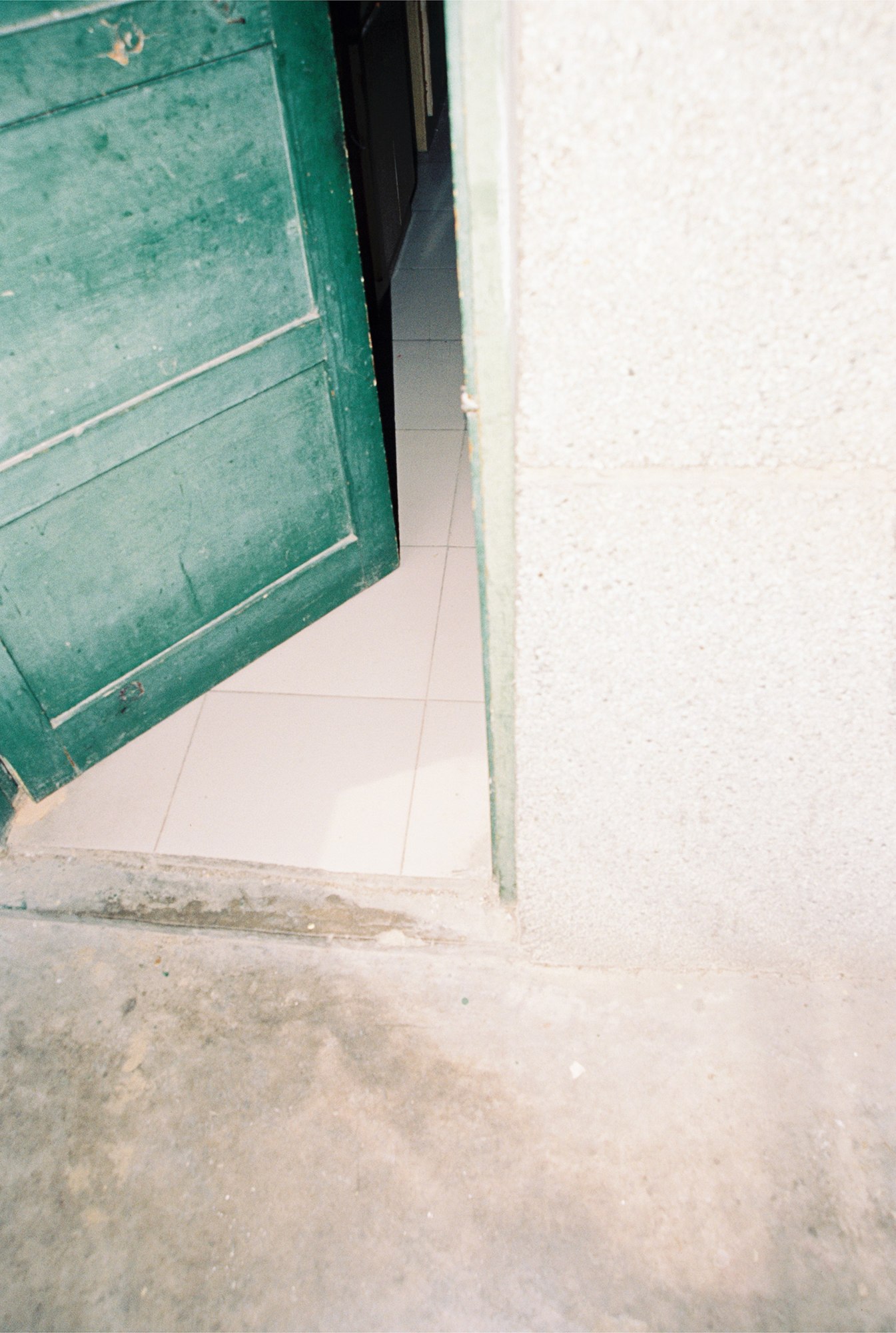
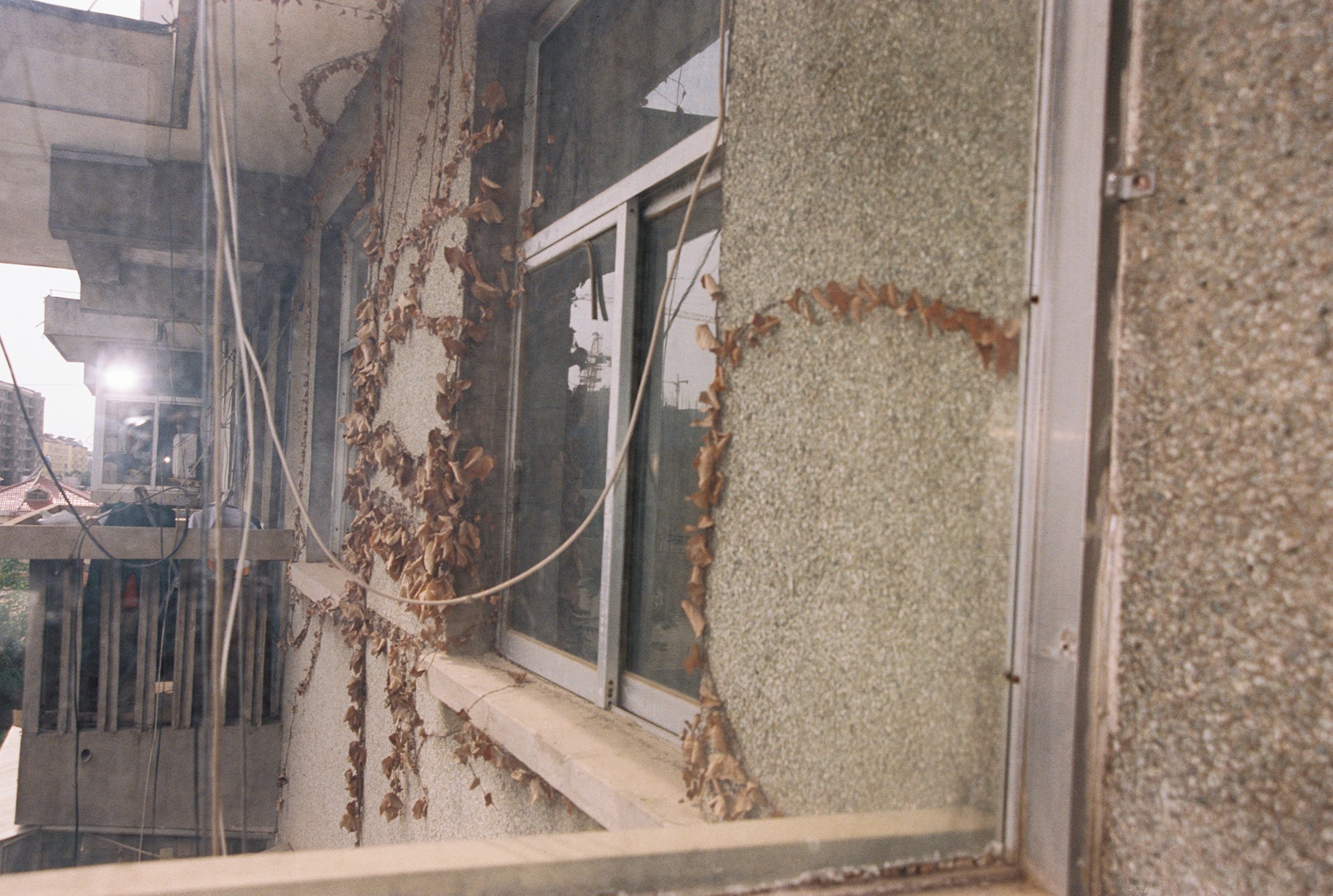
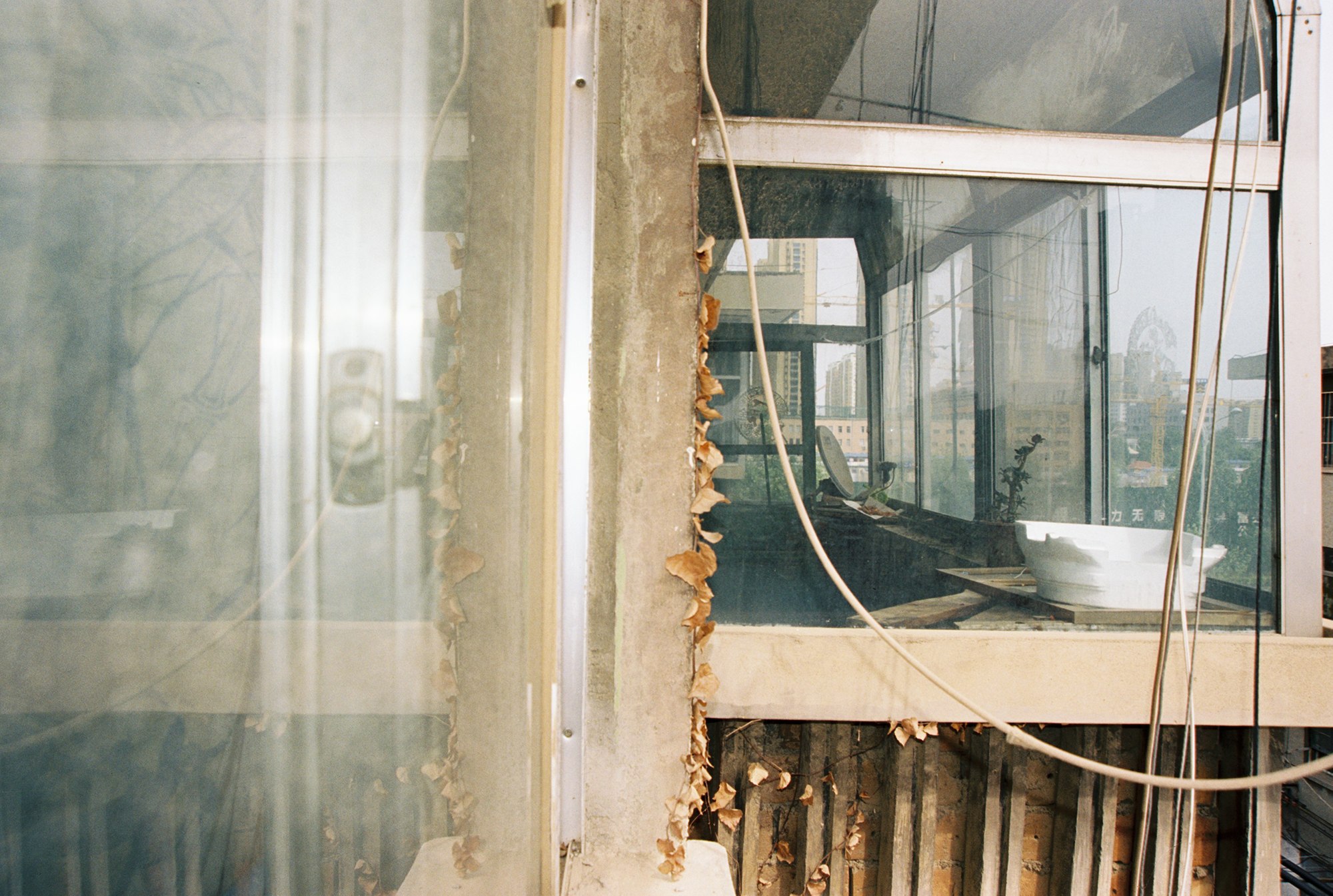
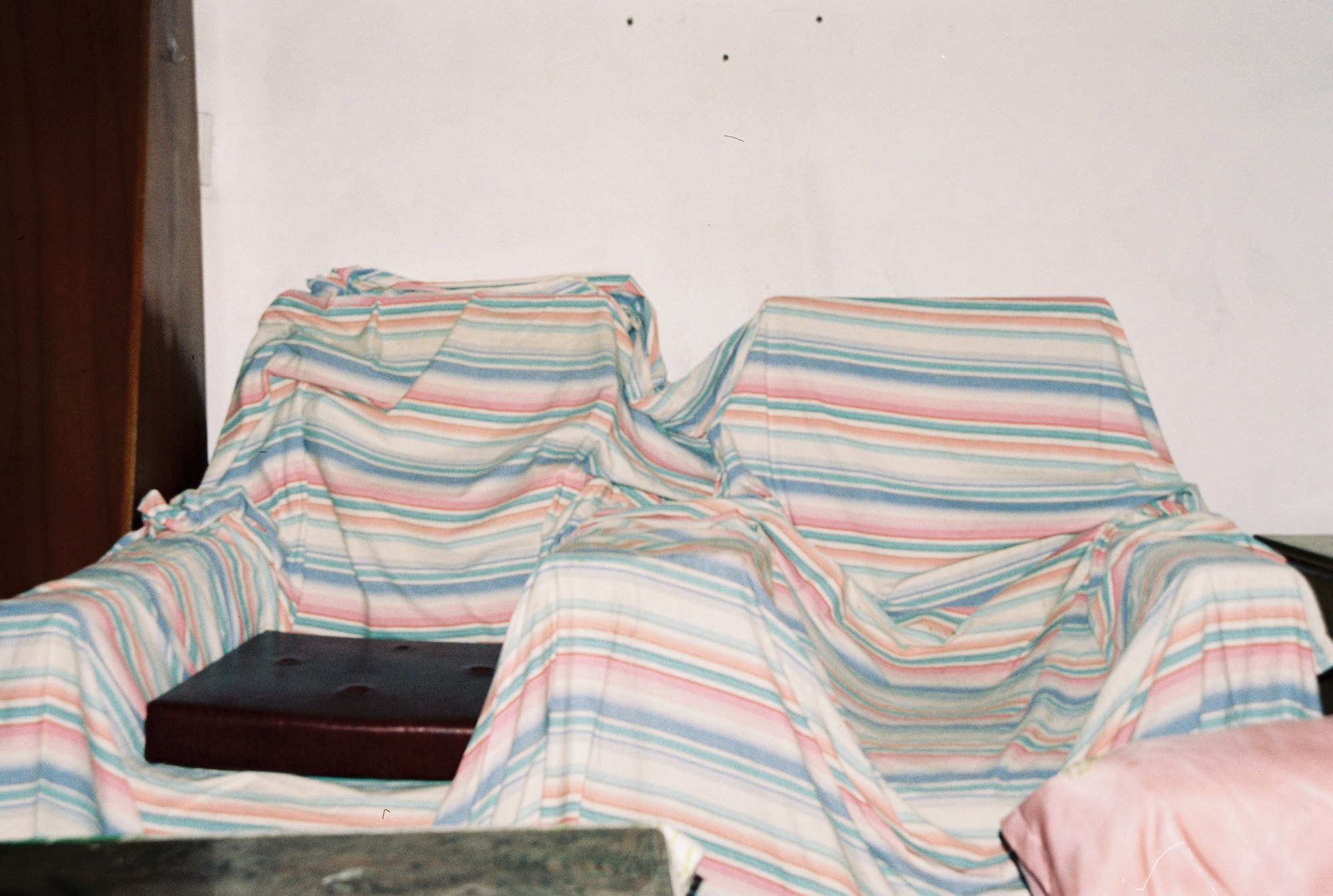
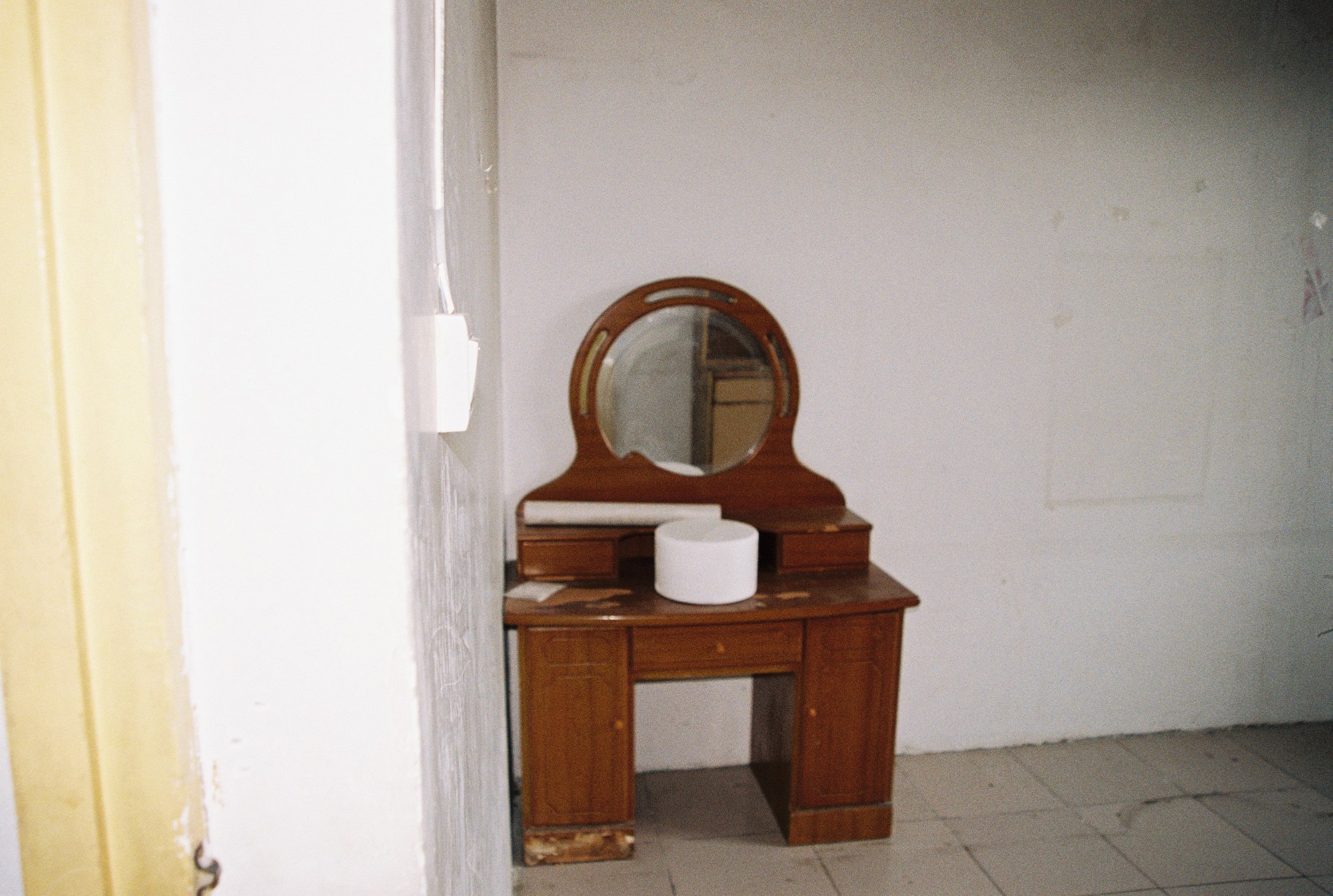
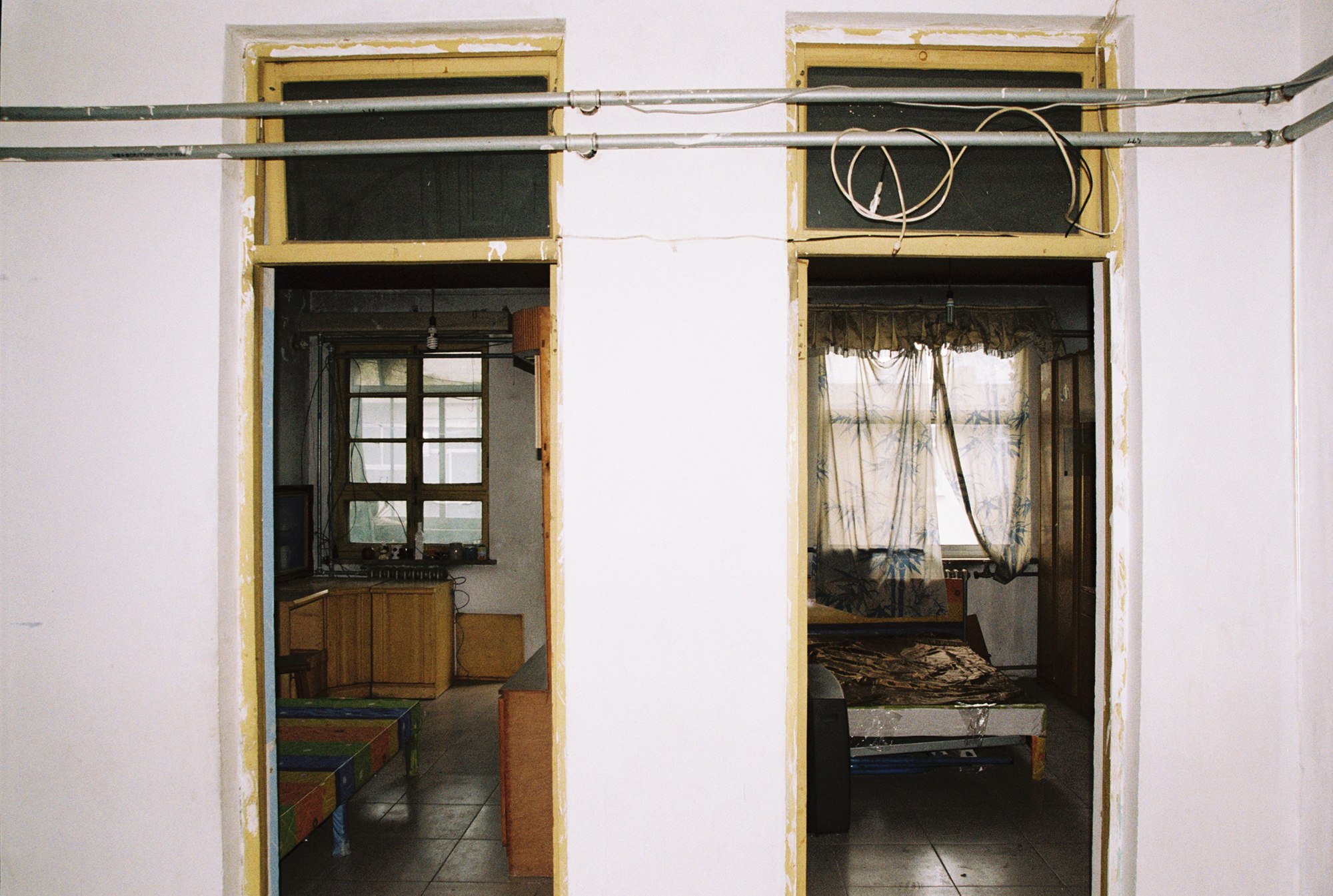
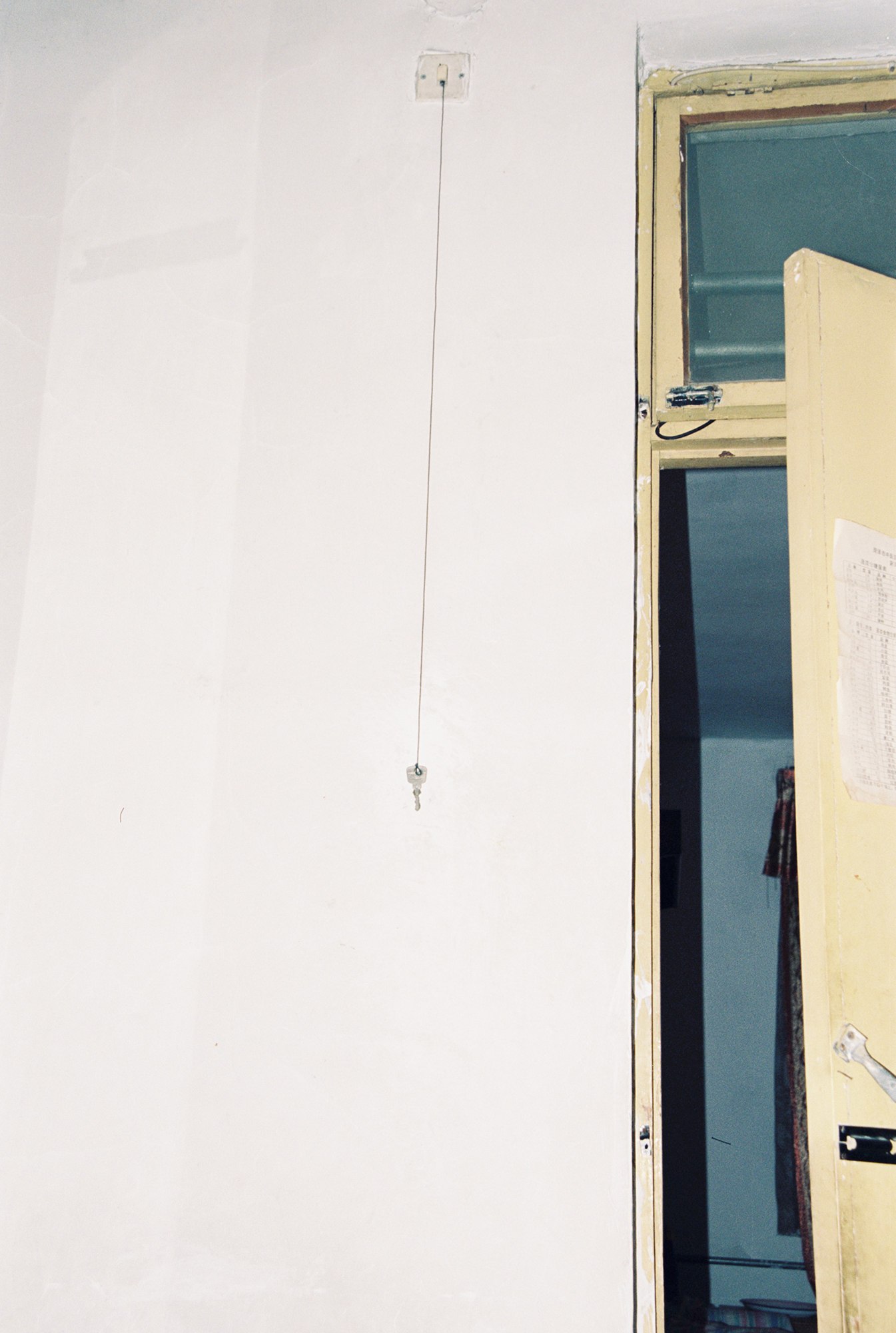
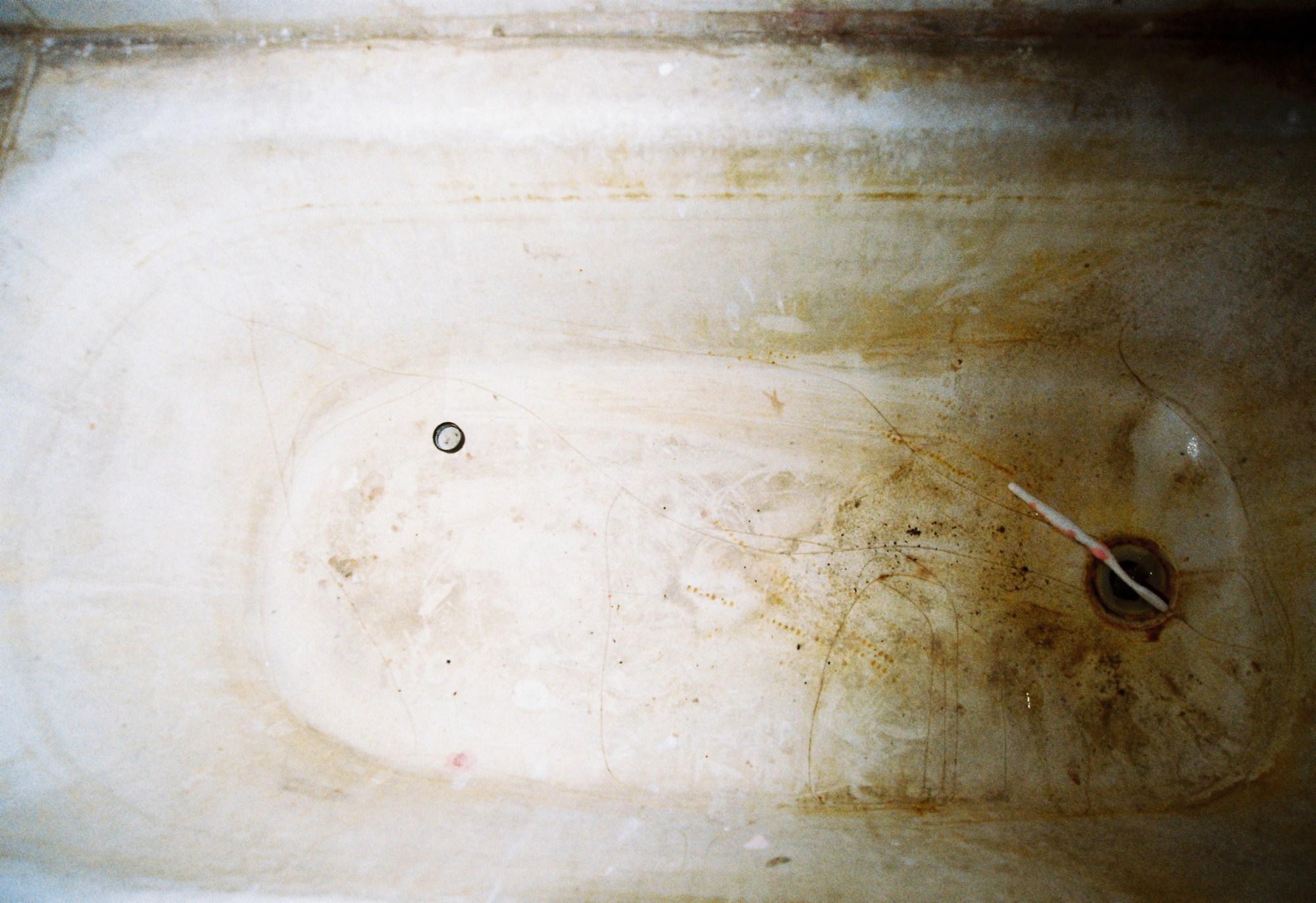
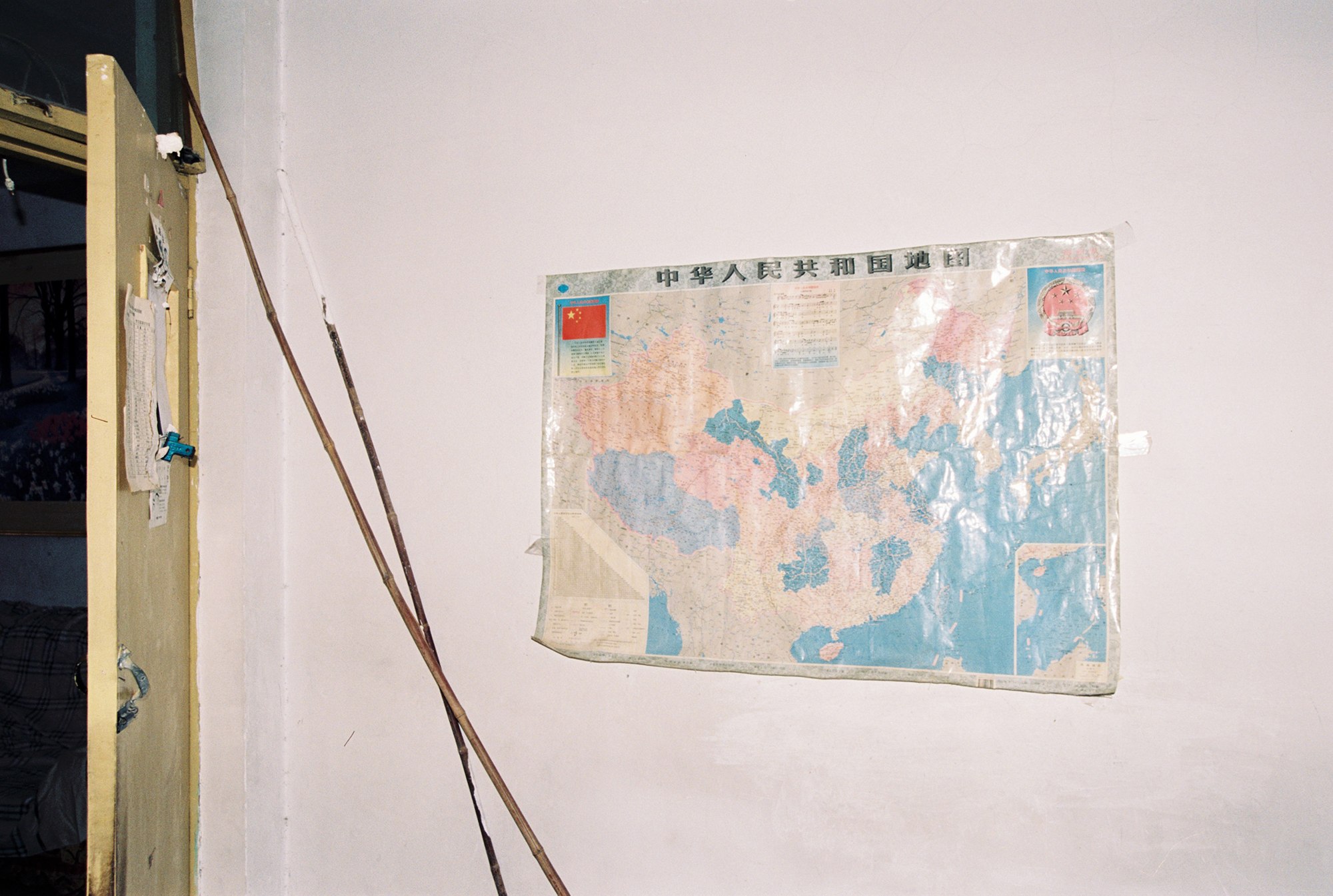
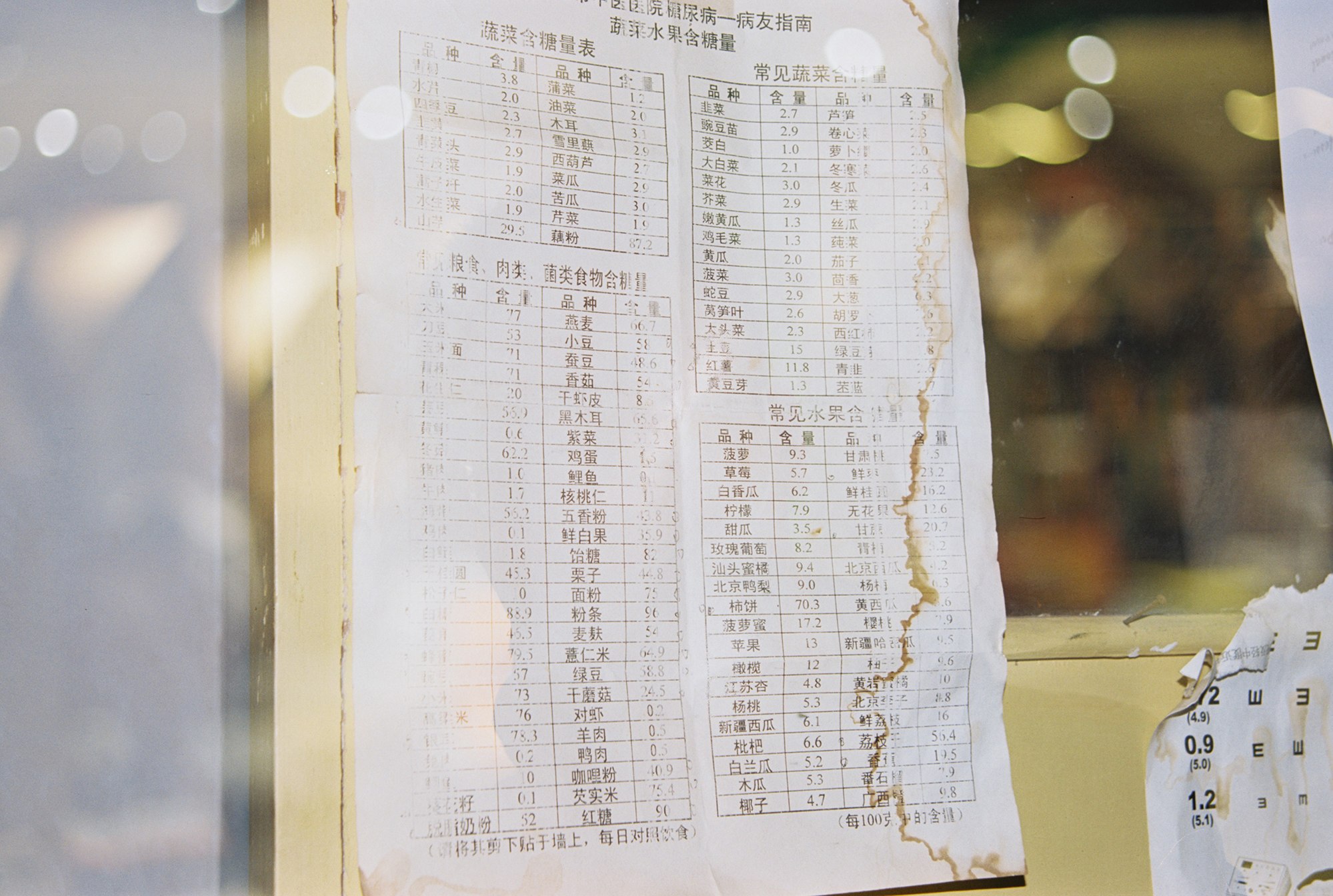
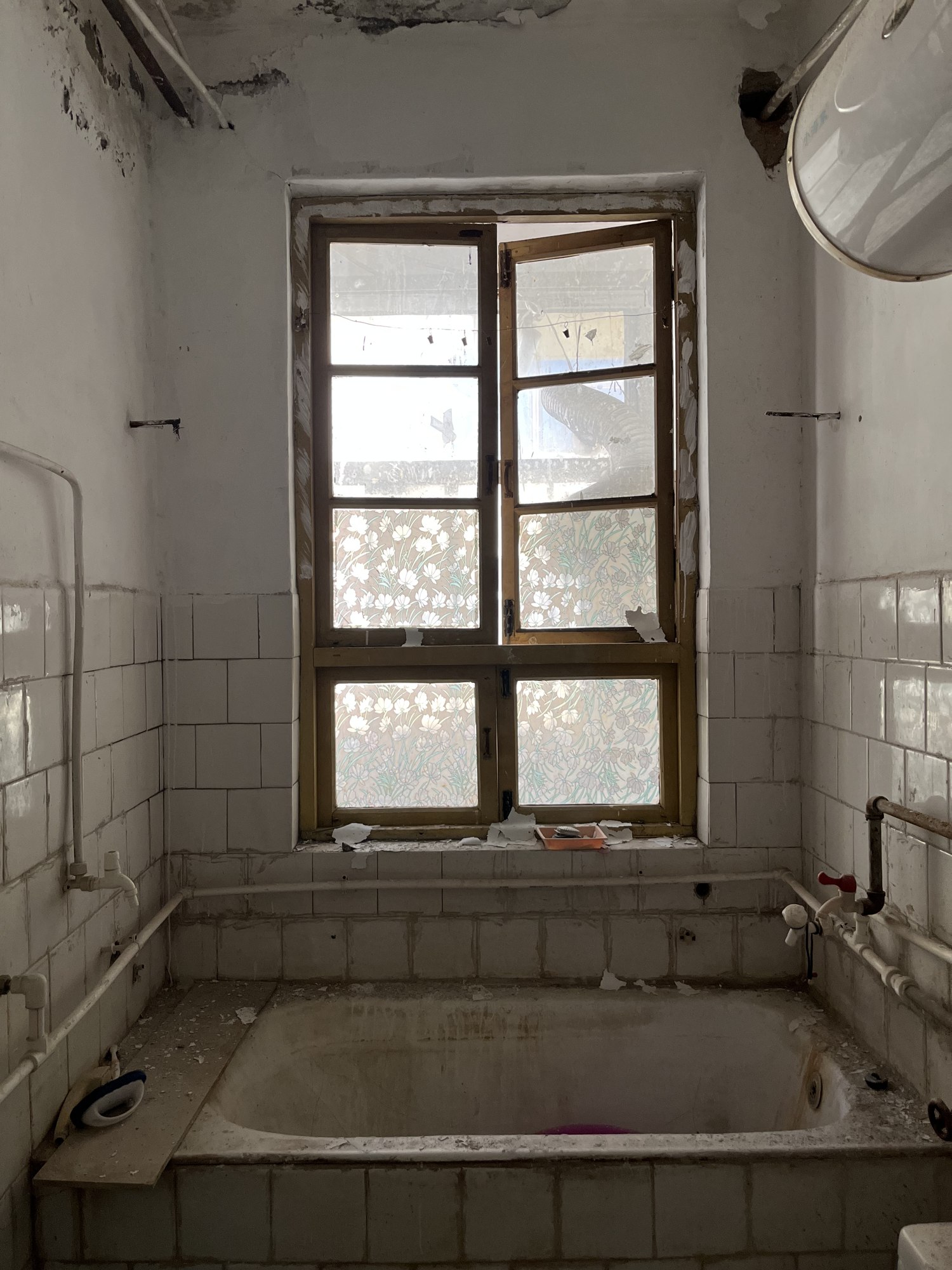
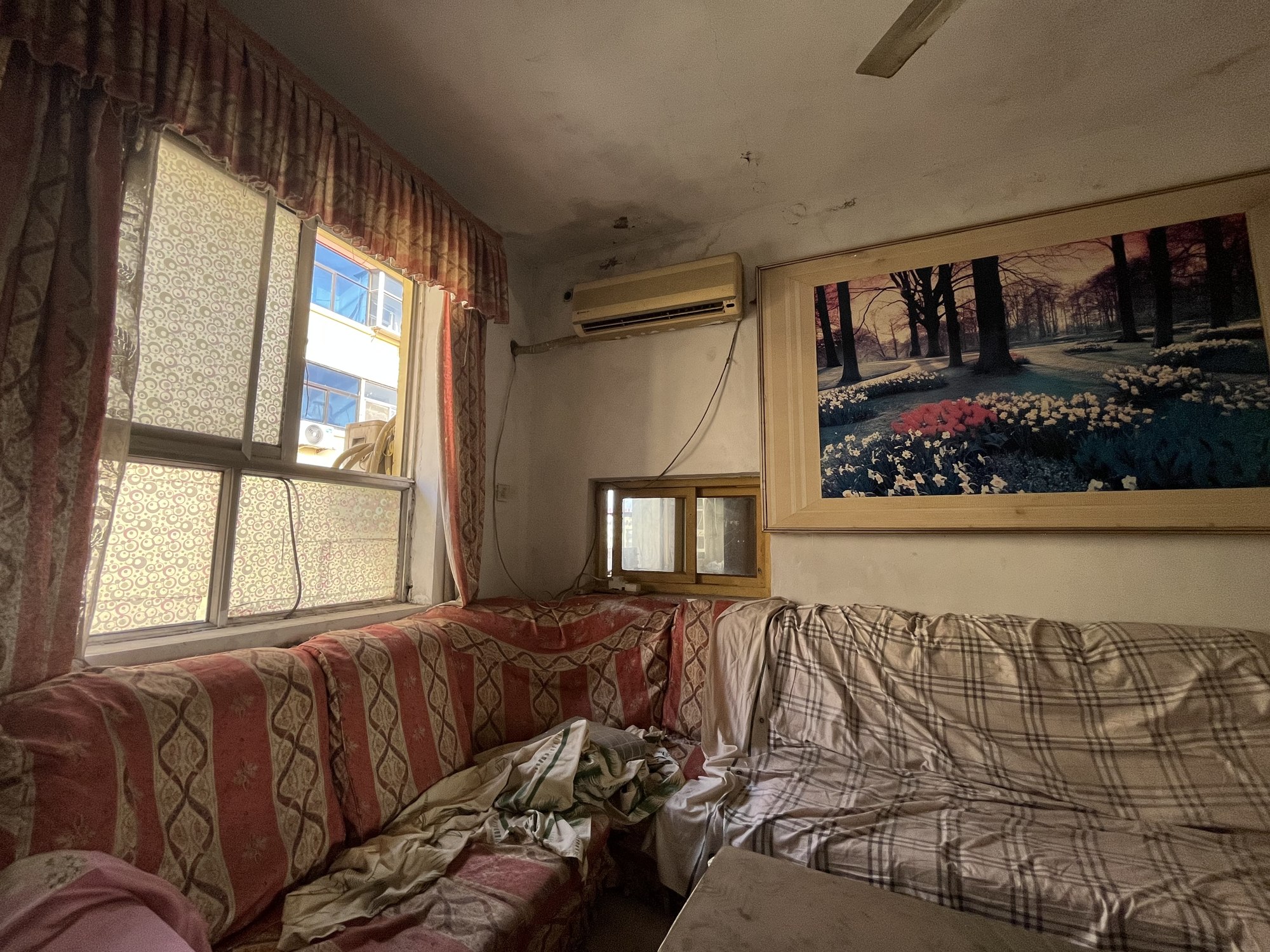
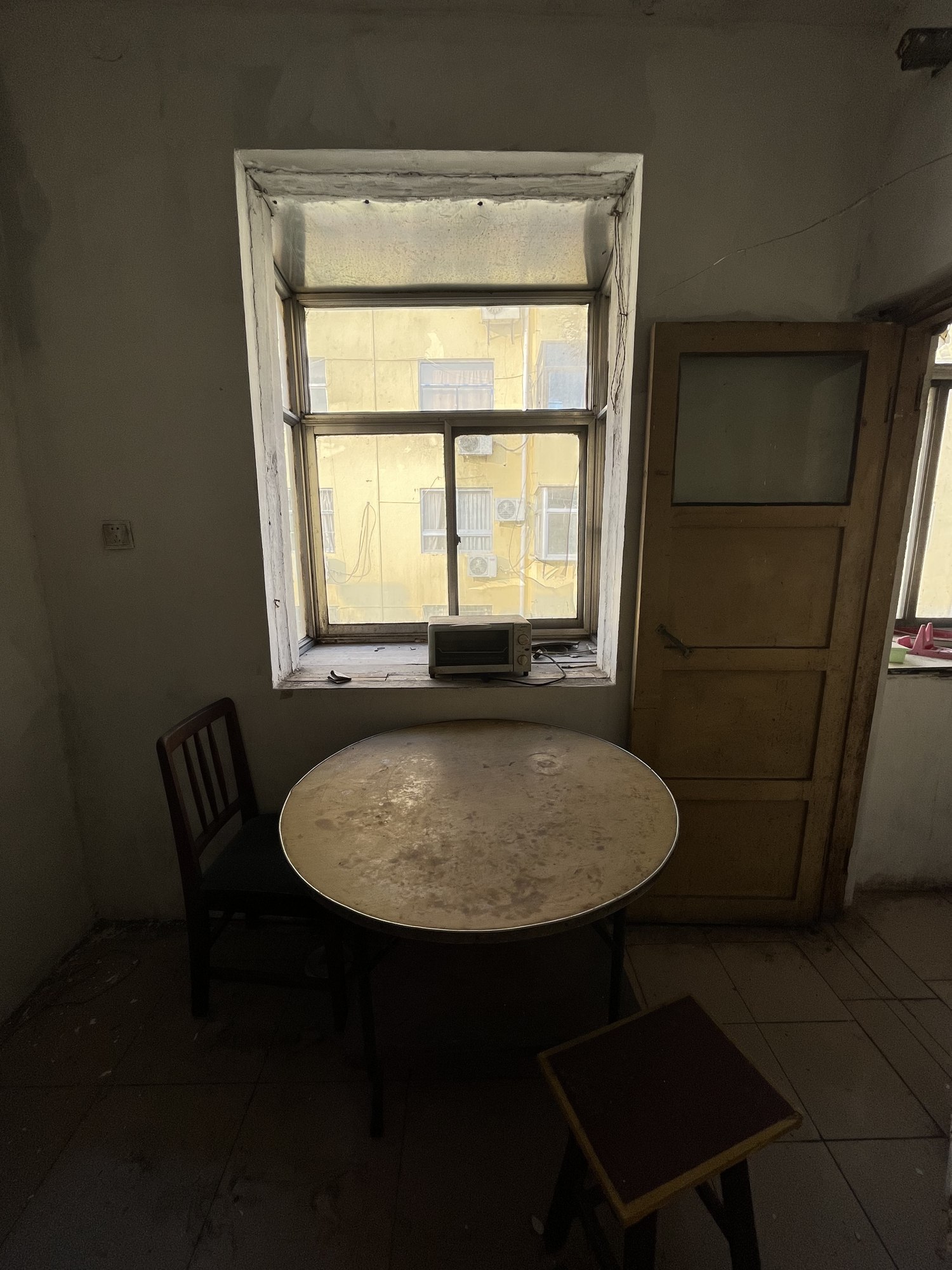
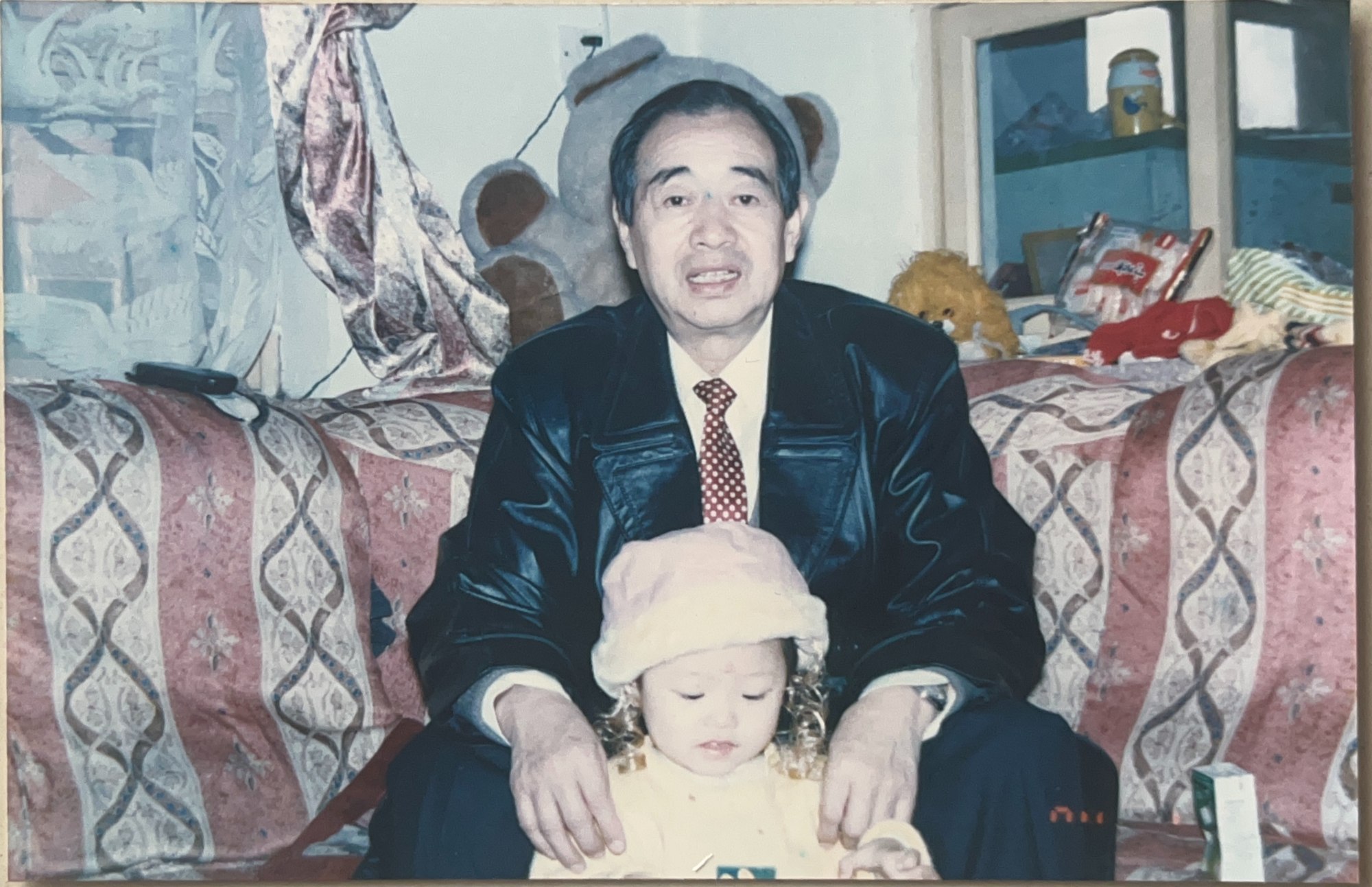
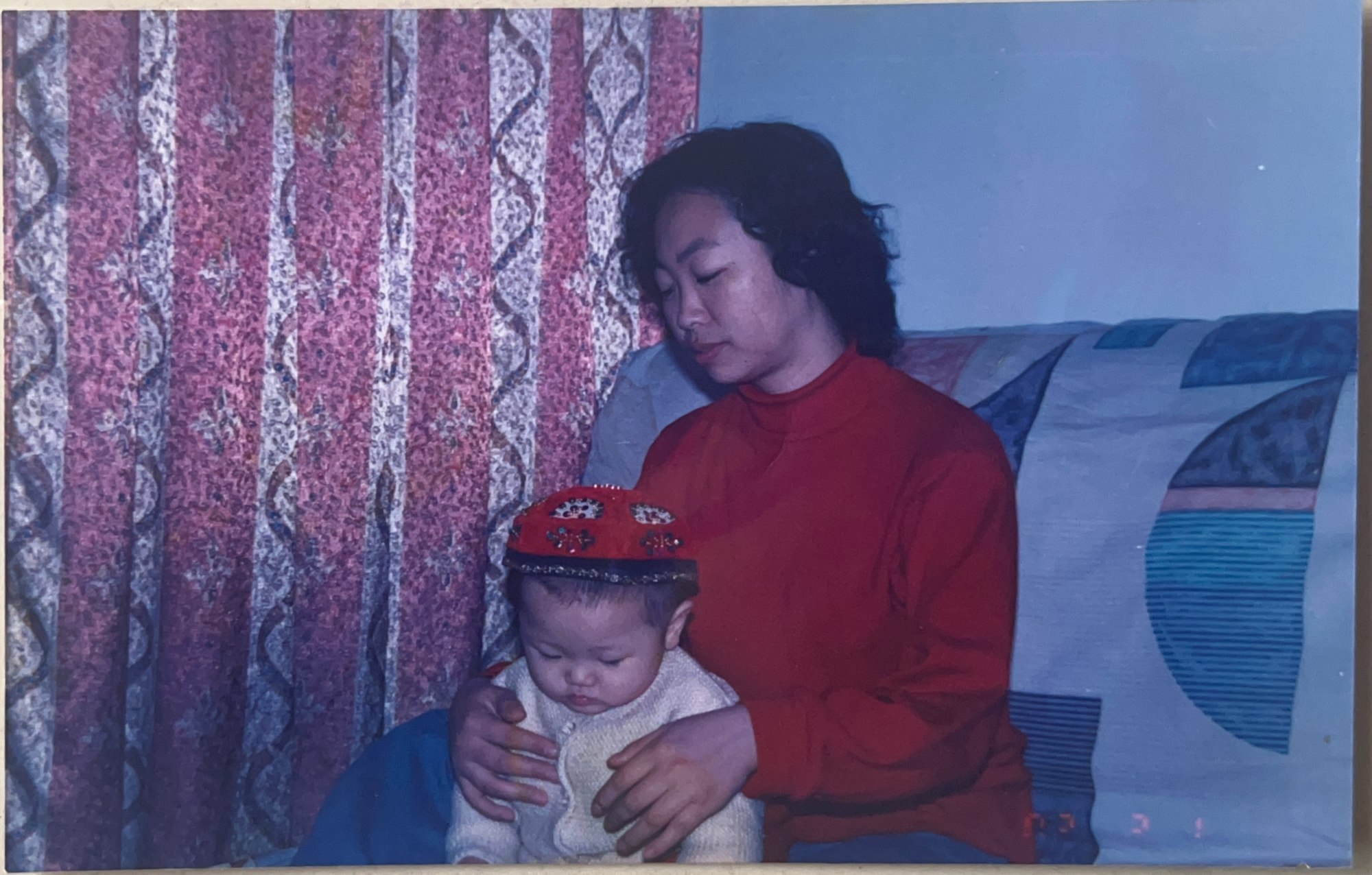
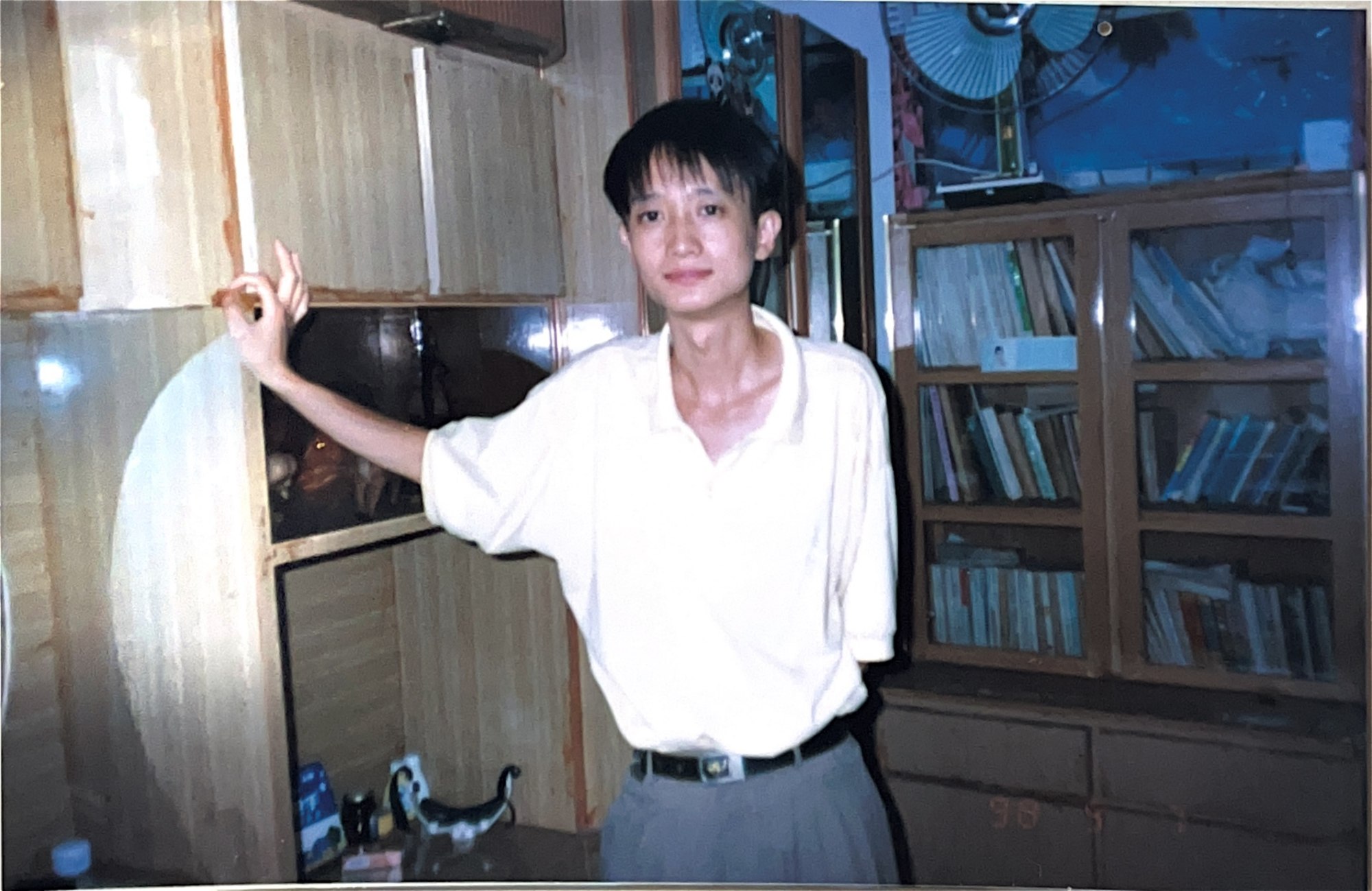
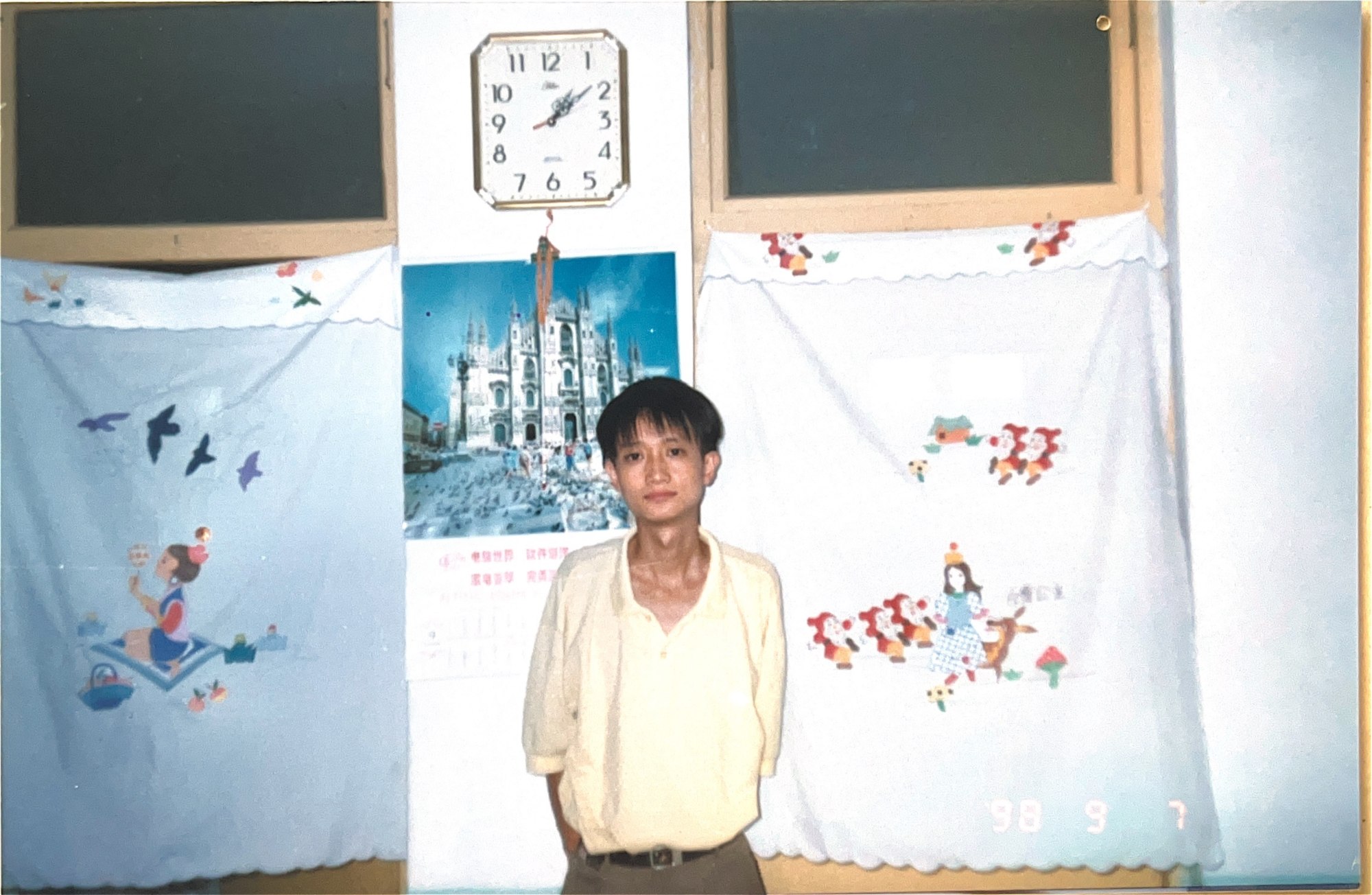
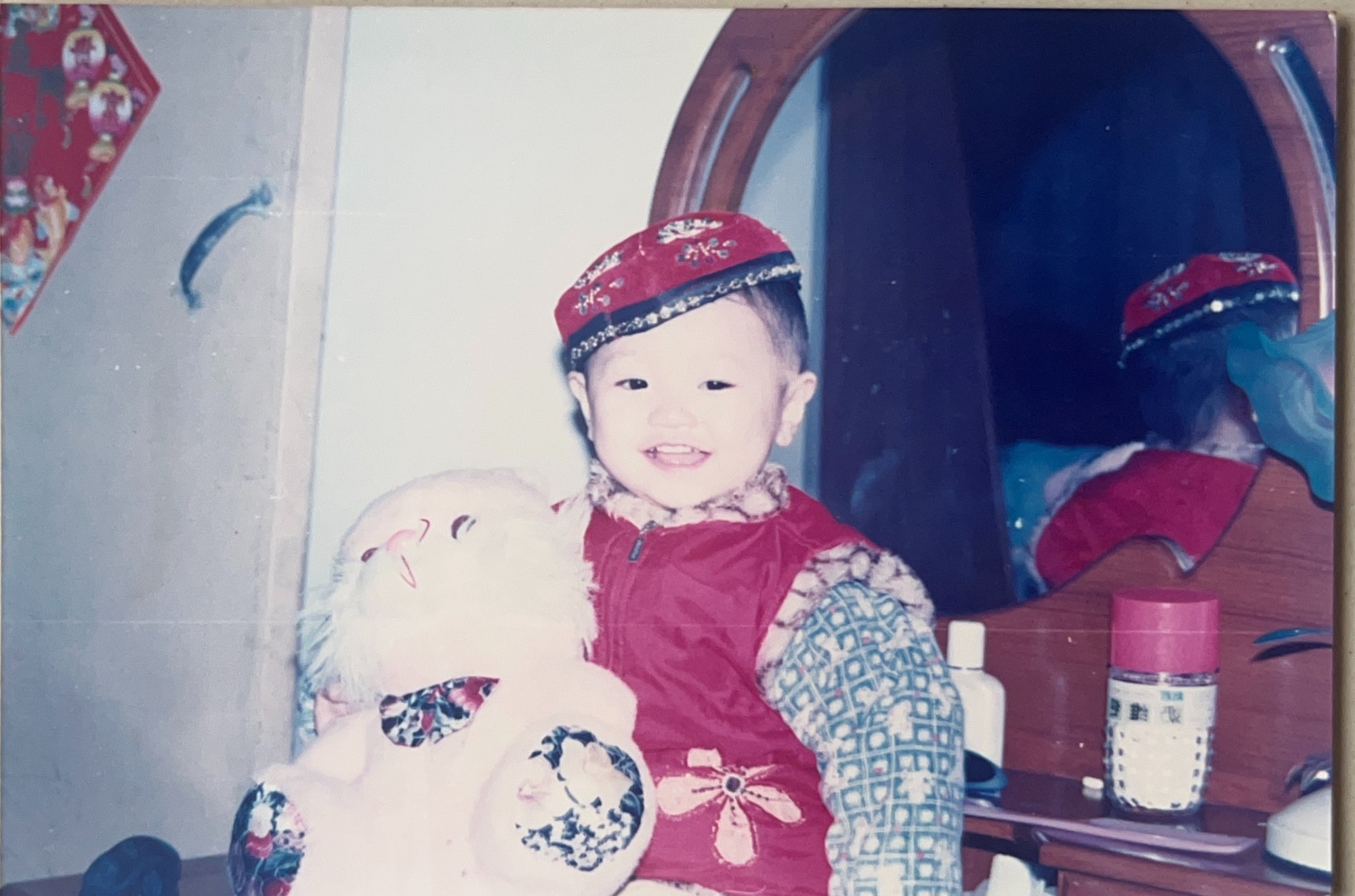
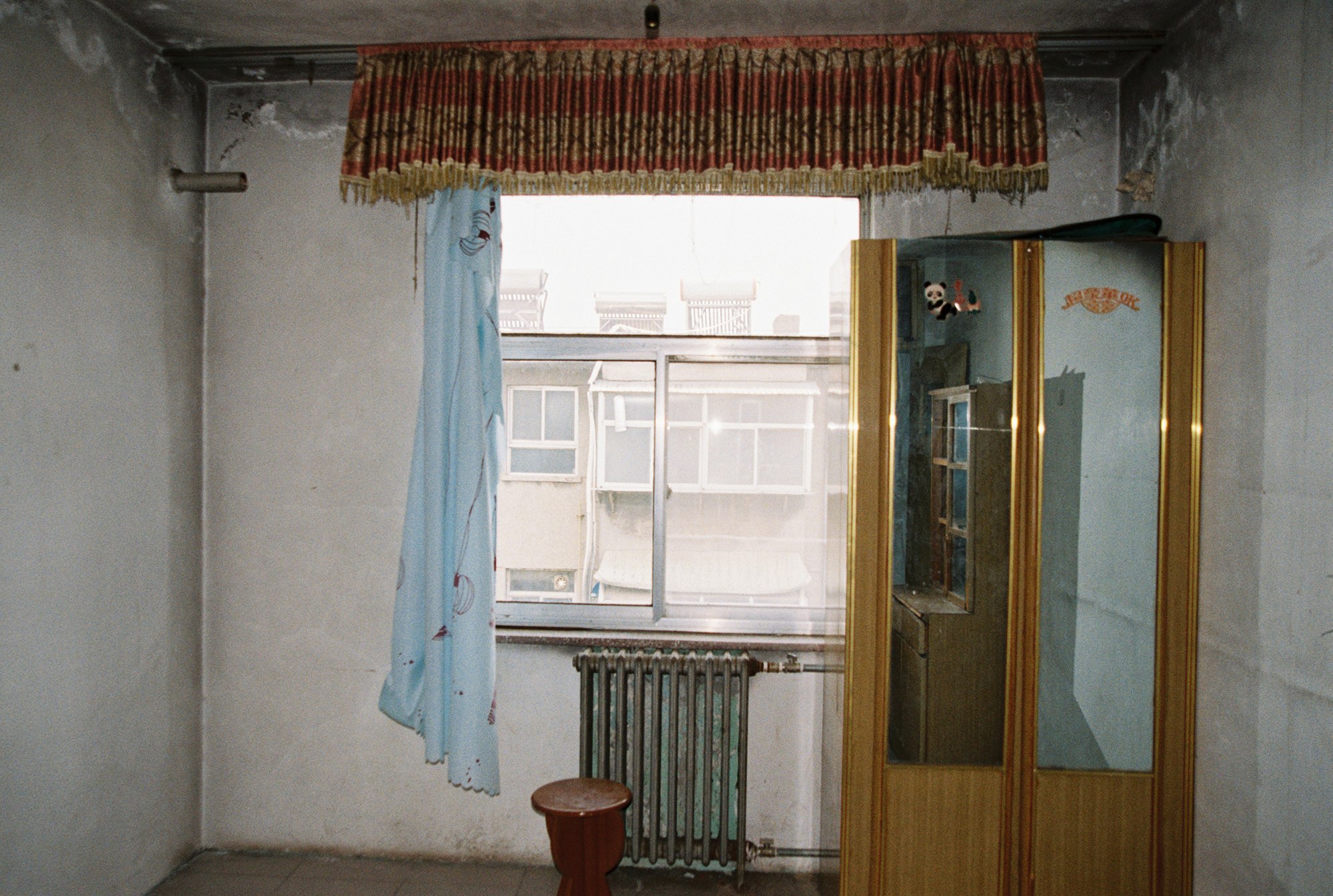
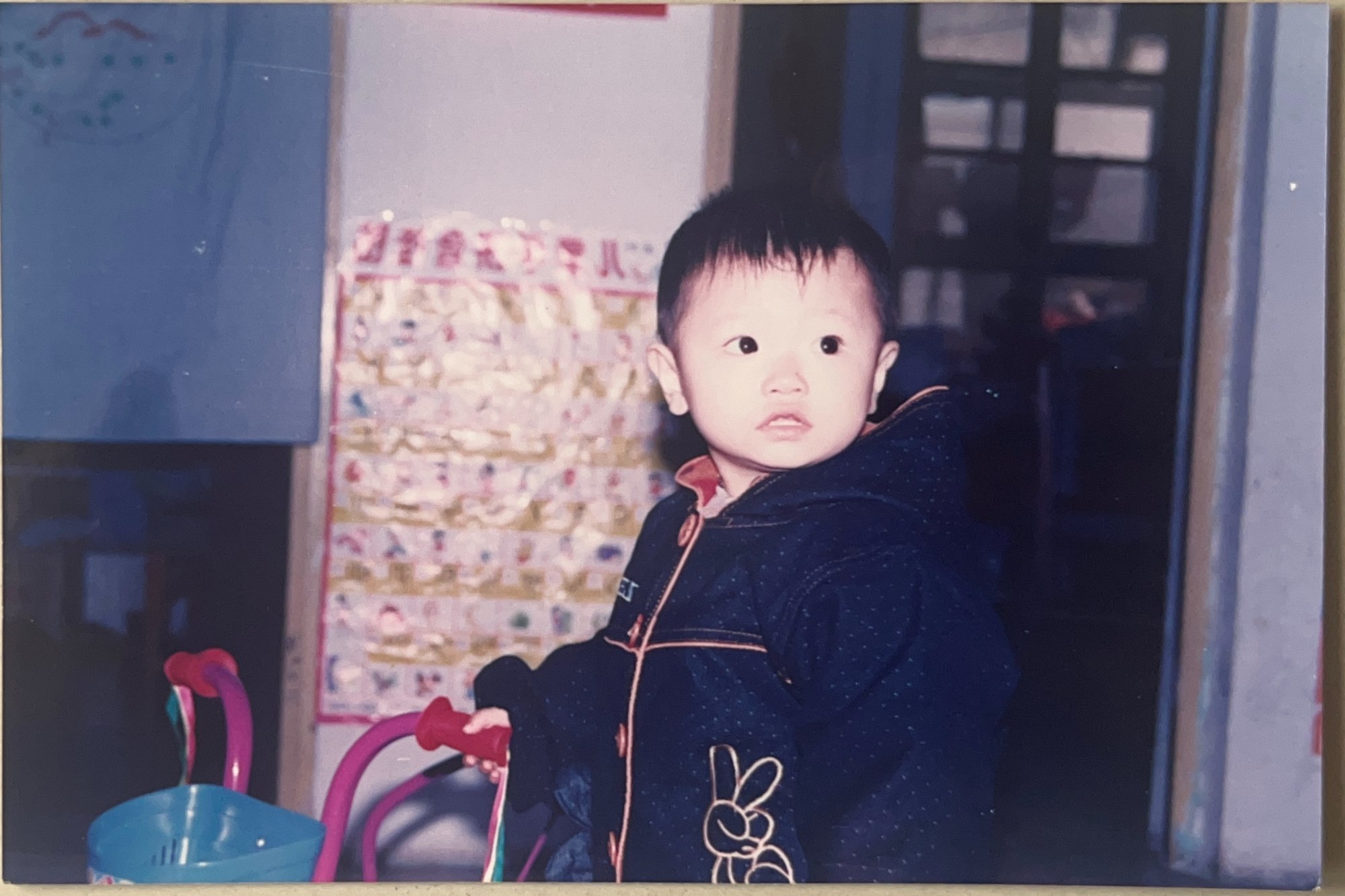
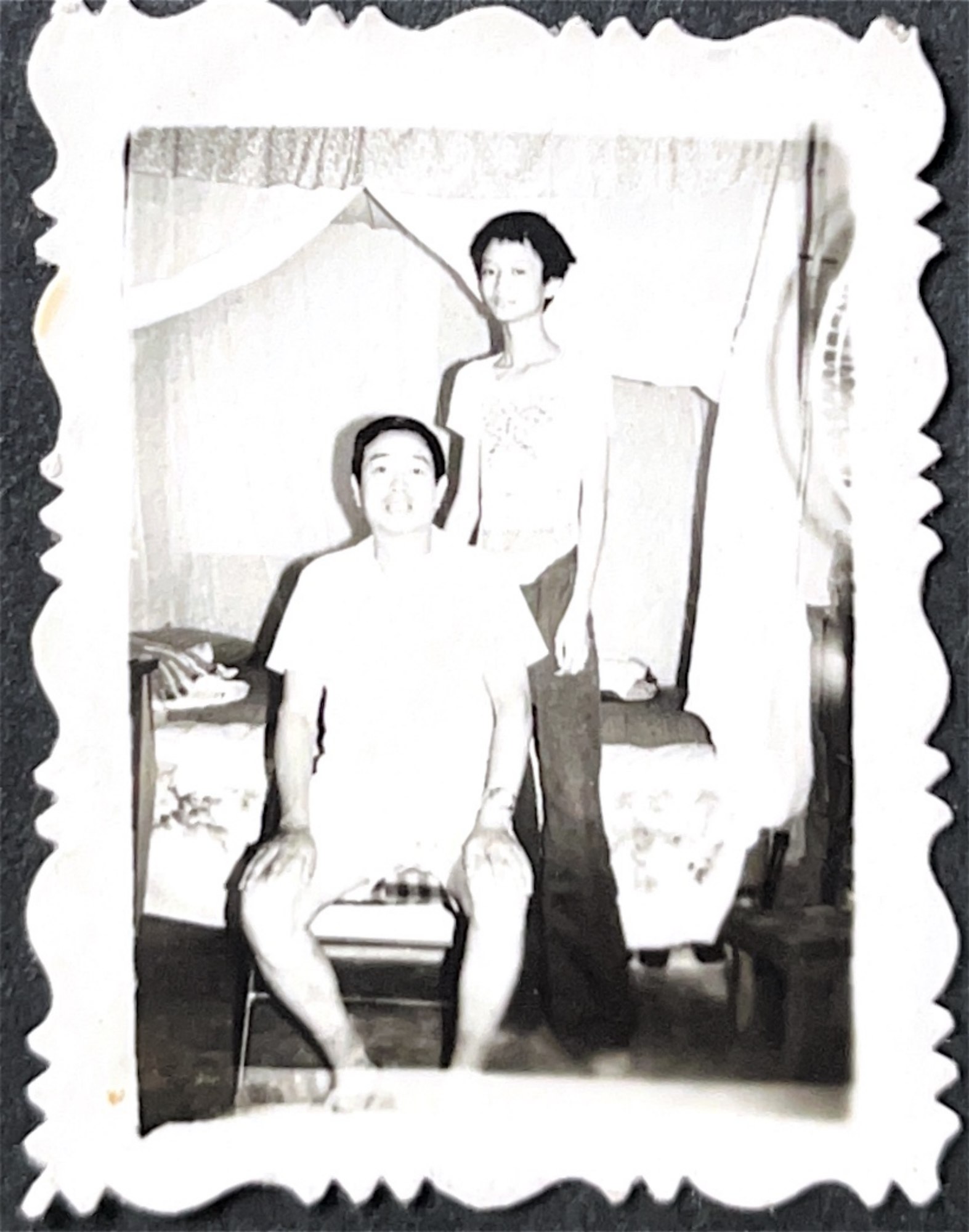
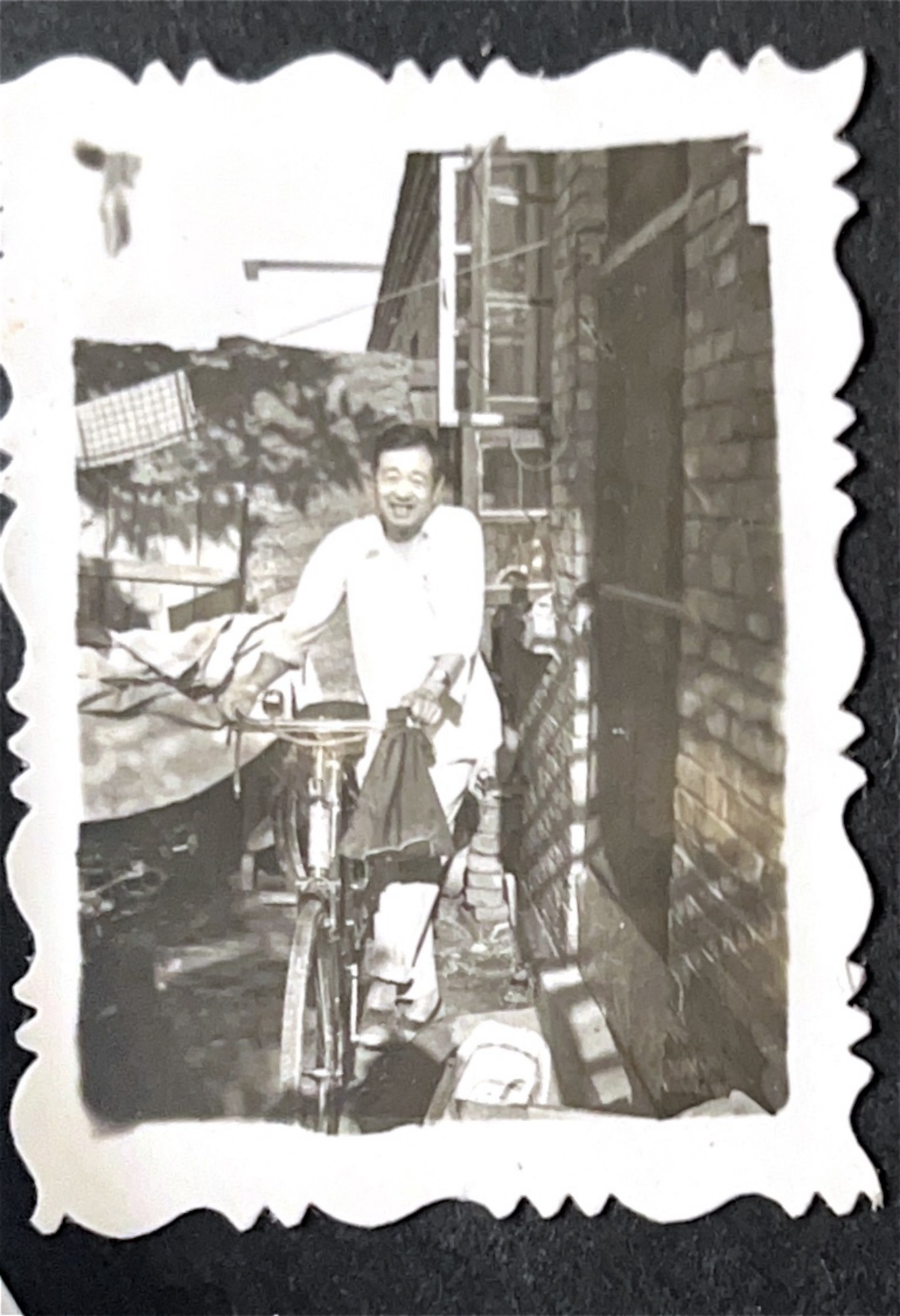
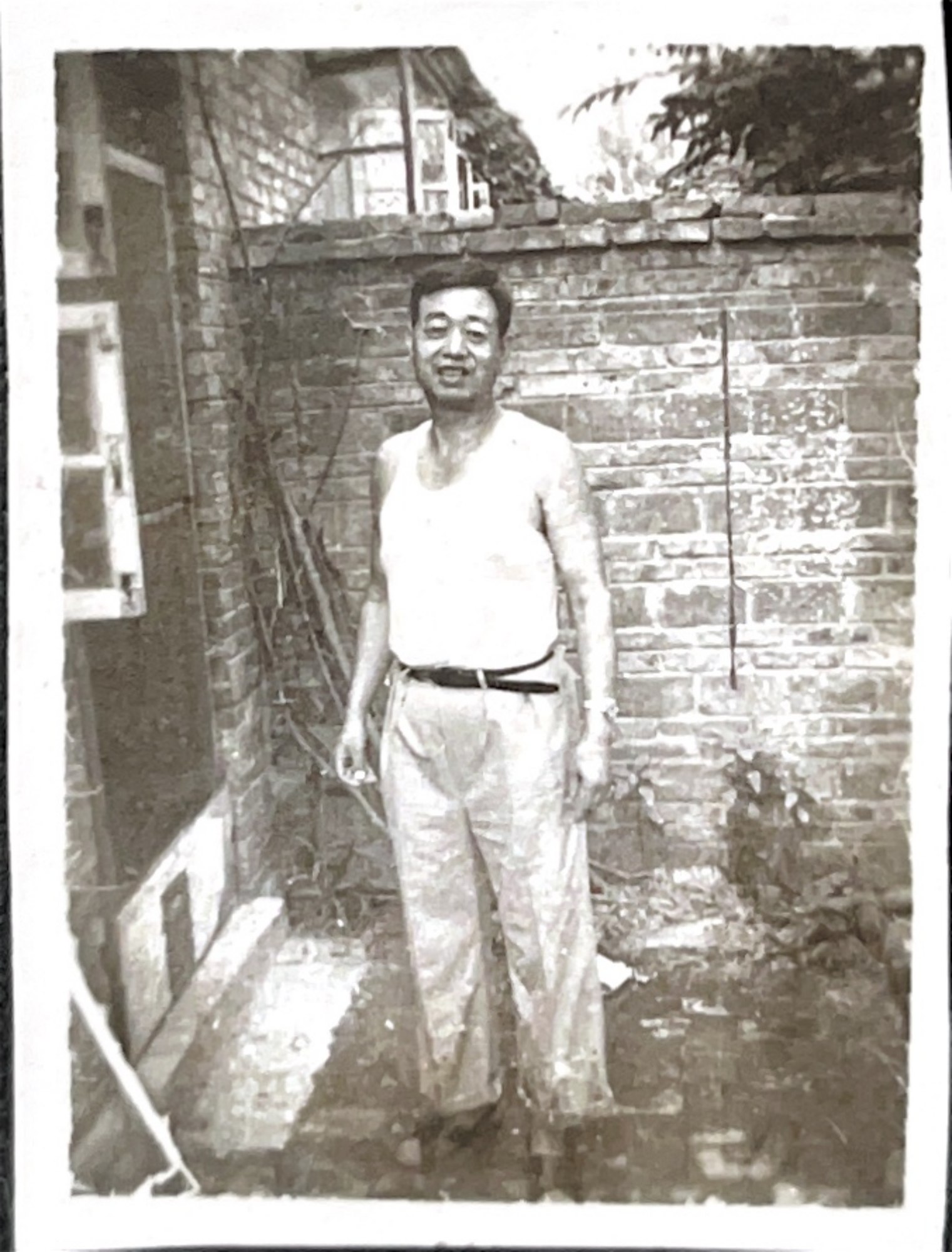
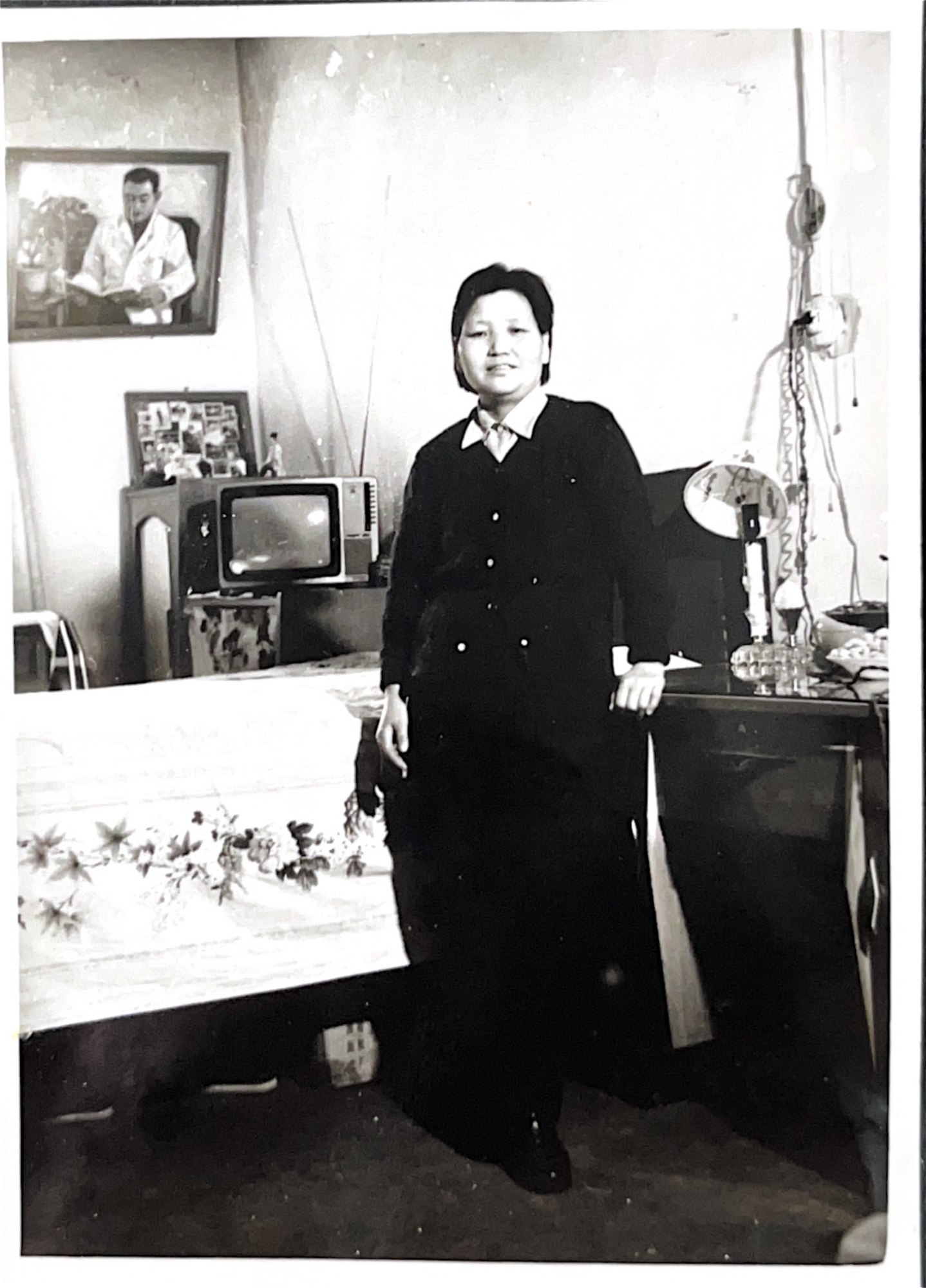
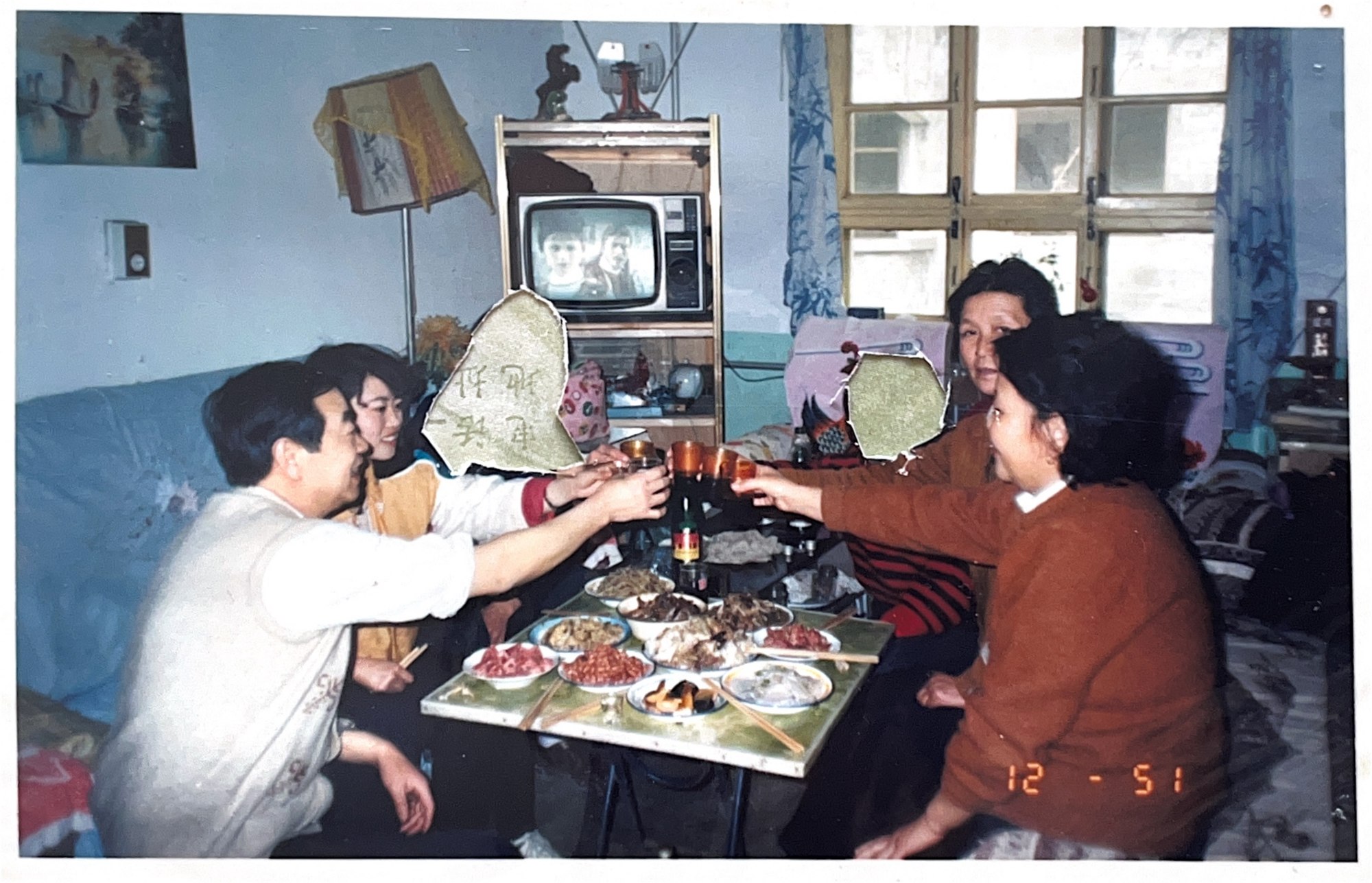
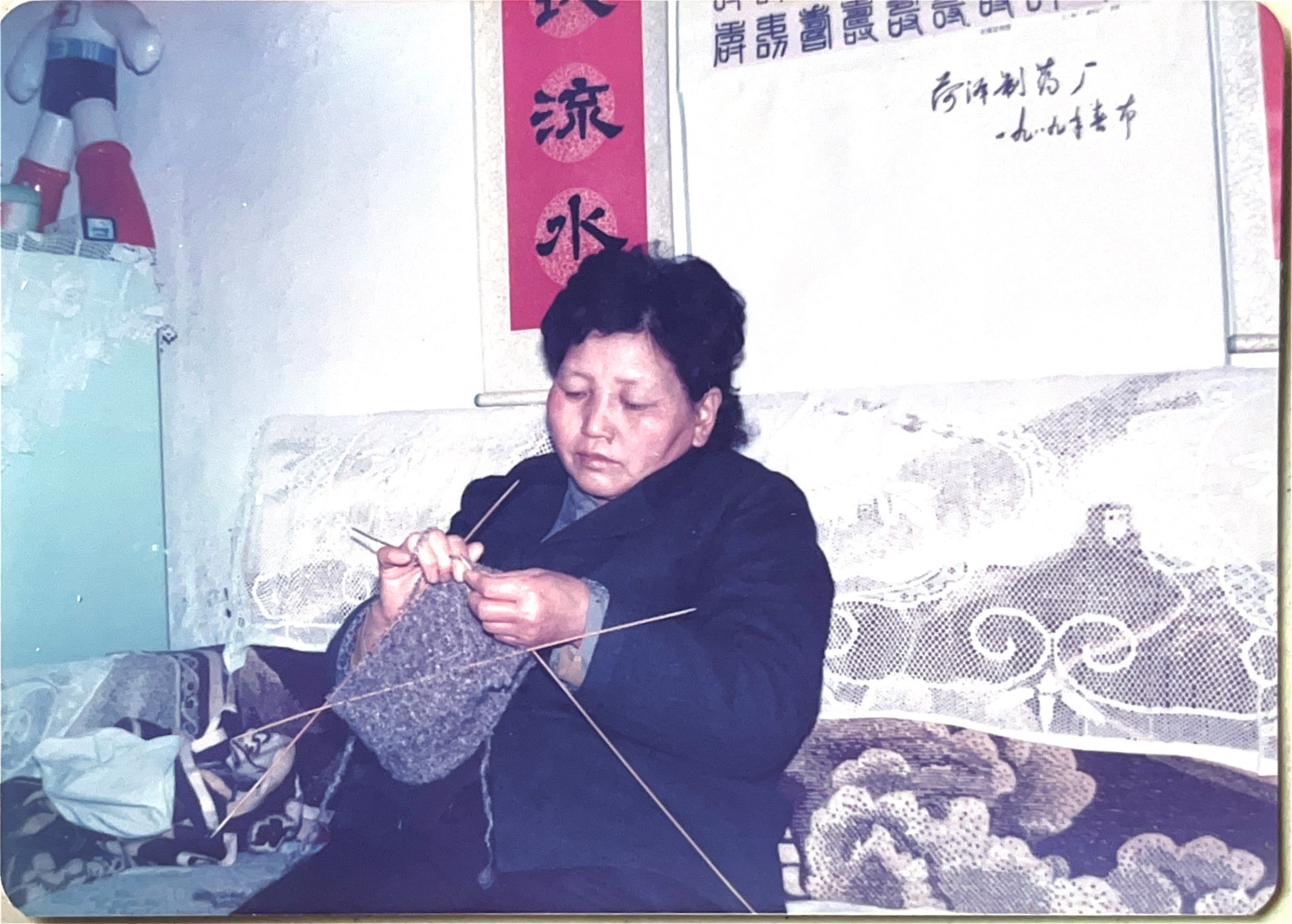
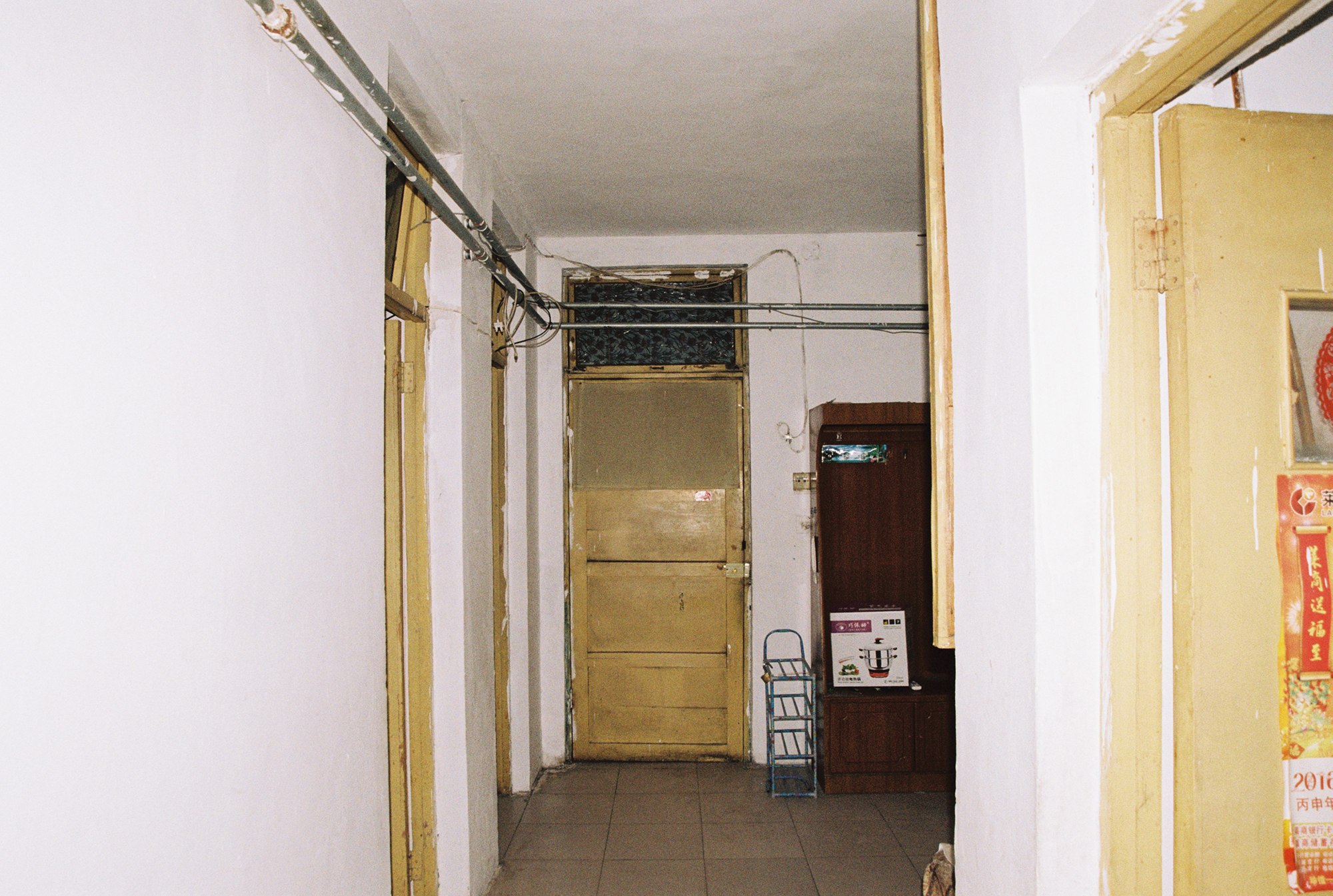
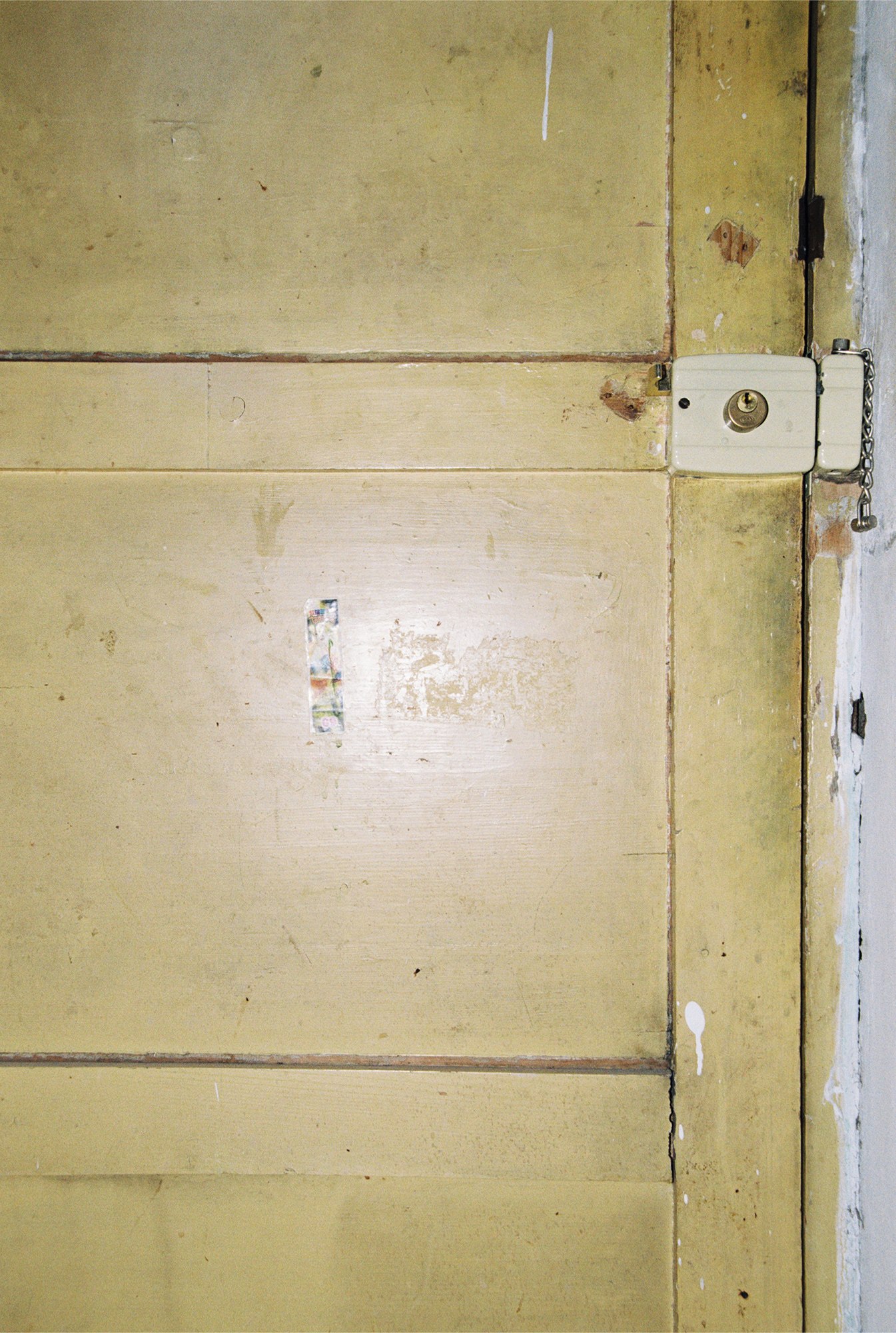
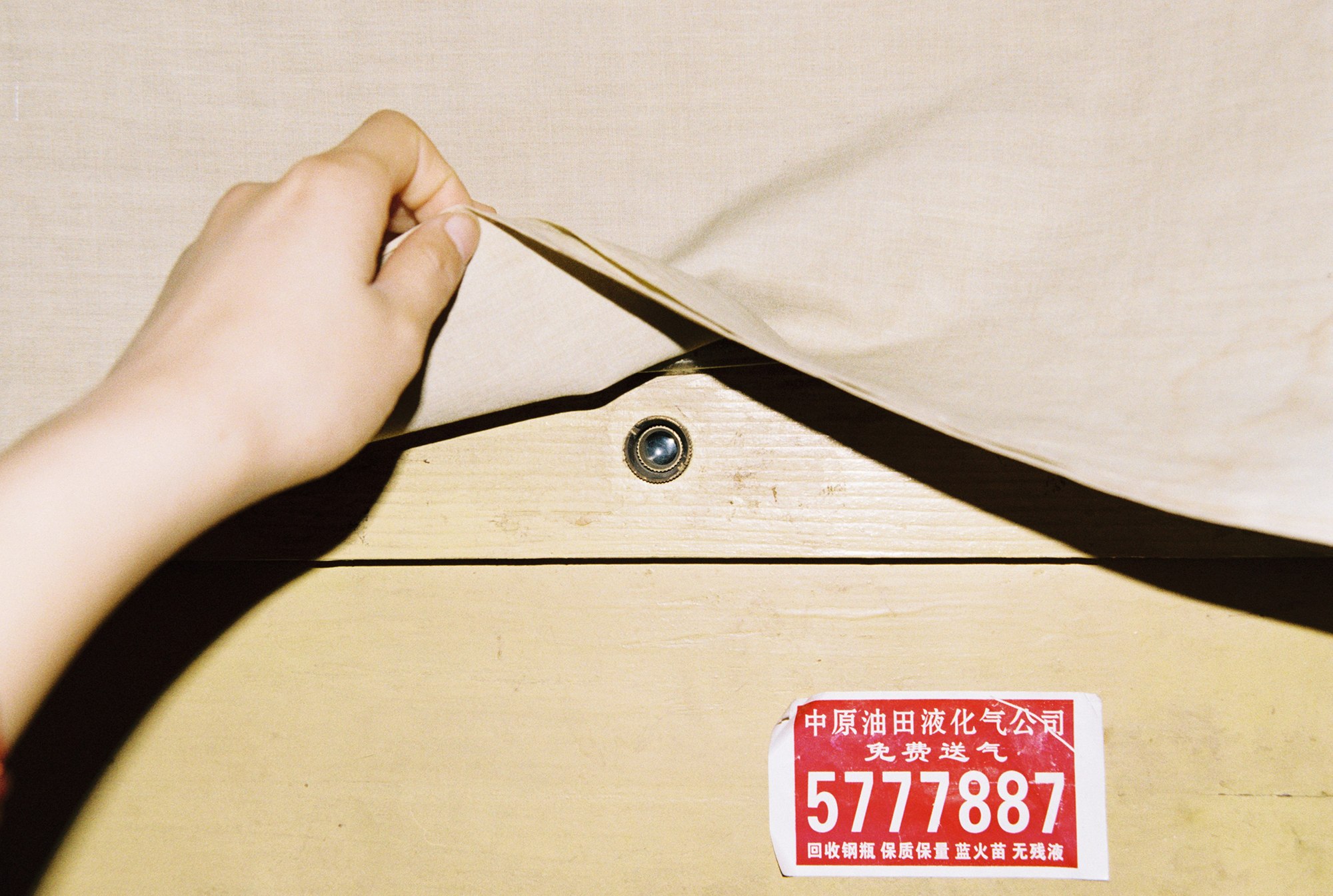
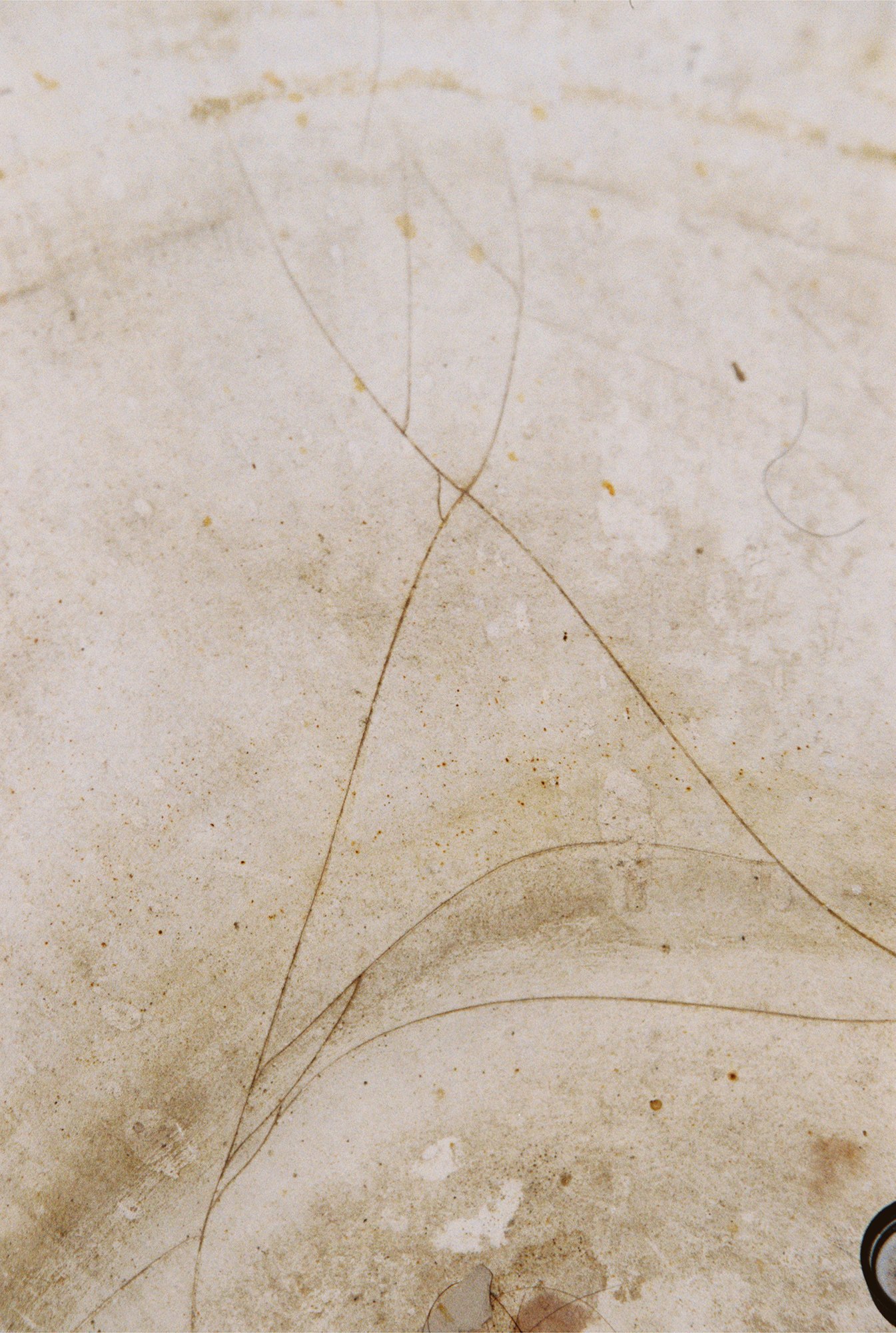
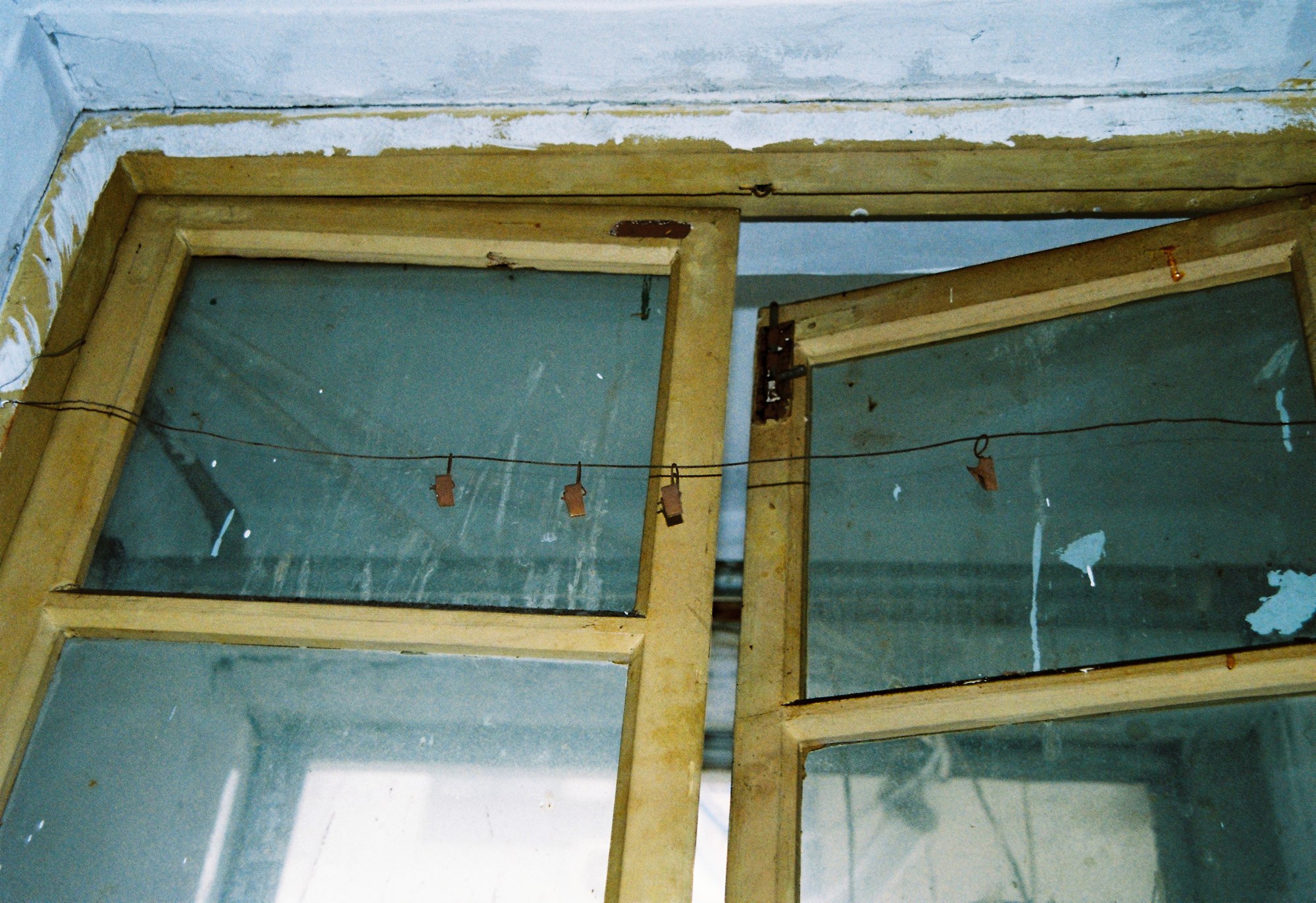
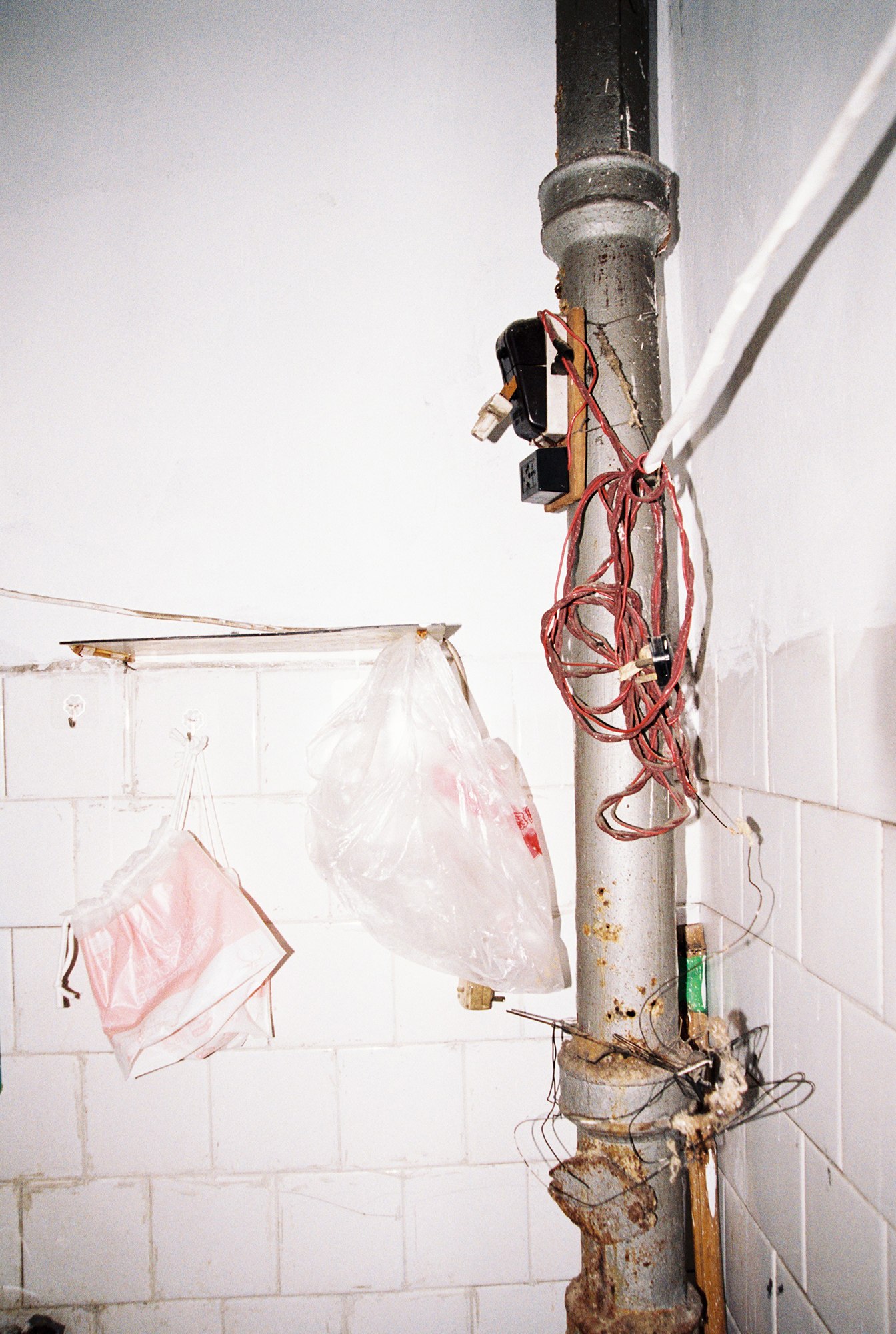
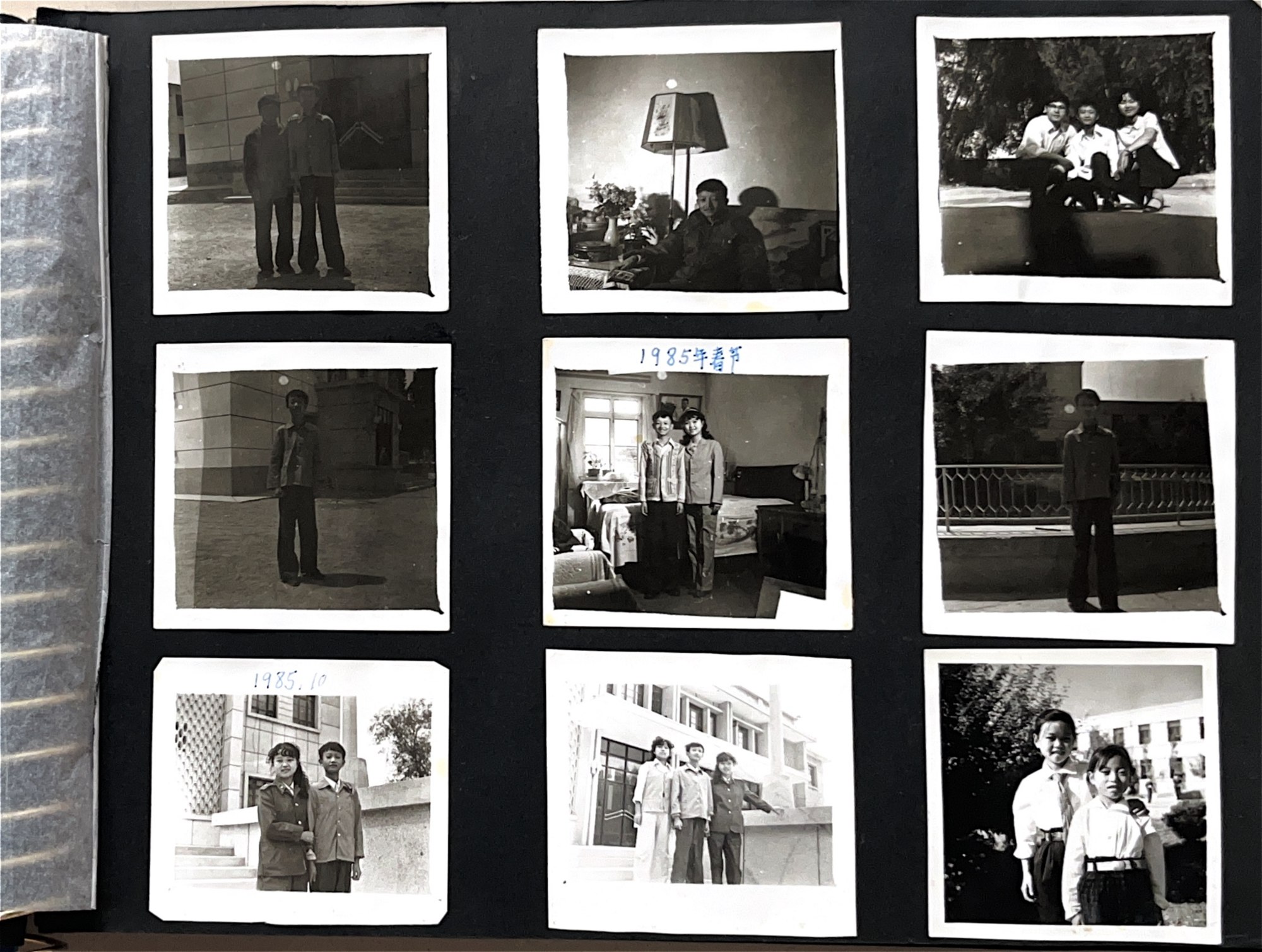
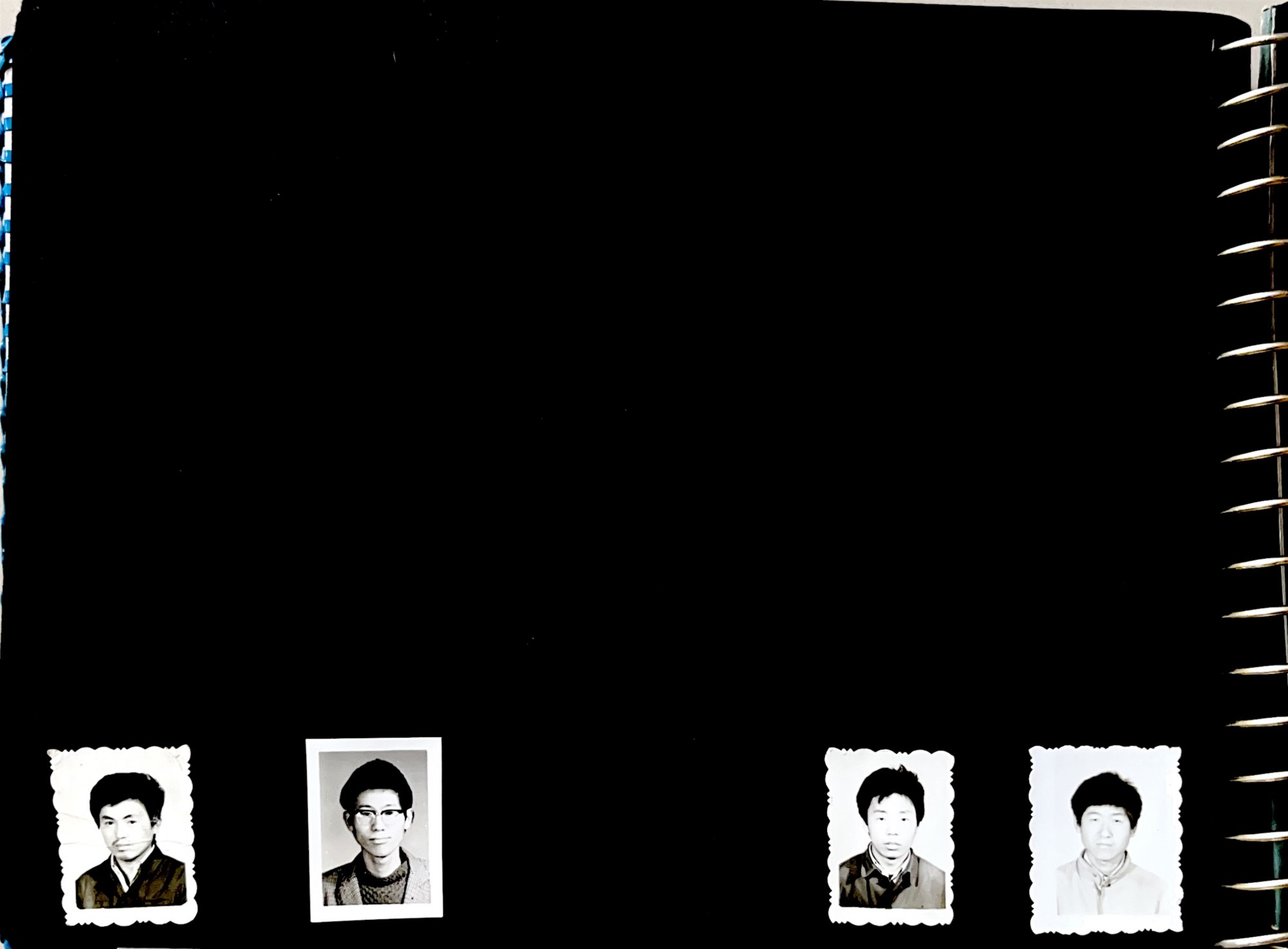
SOme places never quite become “home.” We live in them knowing that one day we will leave. Yet the body learns a space before the mind does: the path of light across a room, blood-pressure and blood-sugar pills rattling inside a bottle, objects gathering in familiar corners, a damp wooden door scraping against the floor, and particular smells and temperatures recognizable only to those who have lived there.
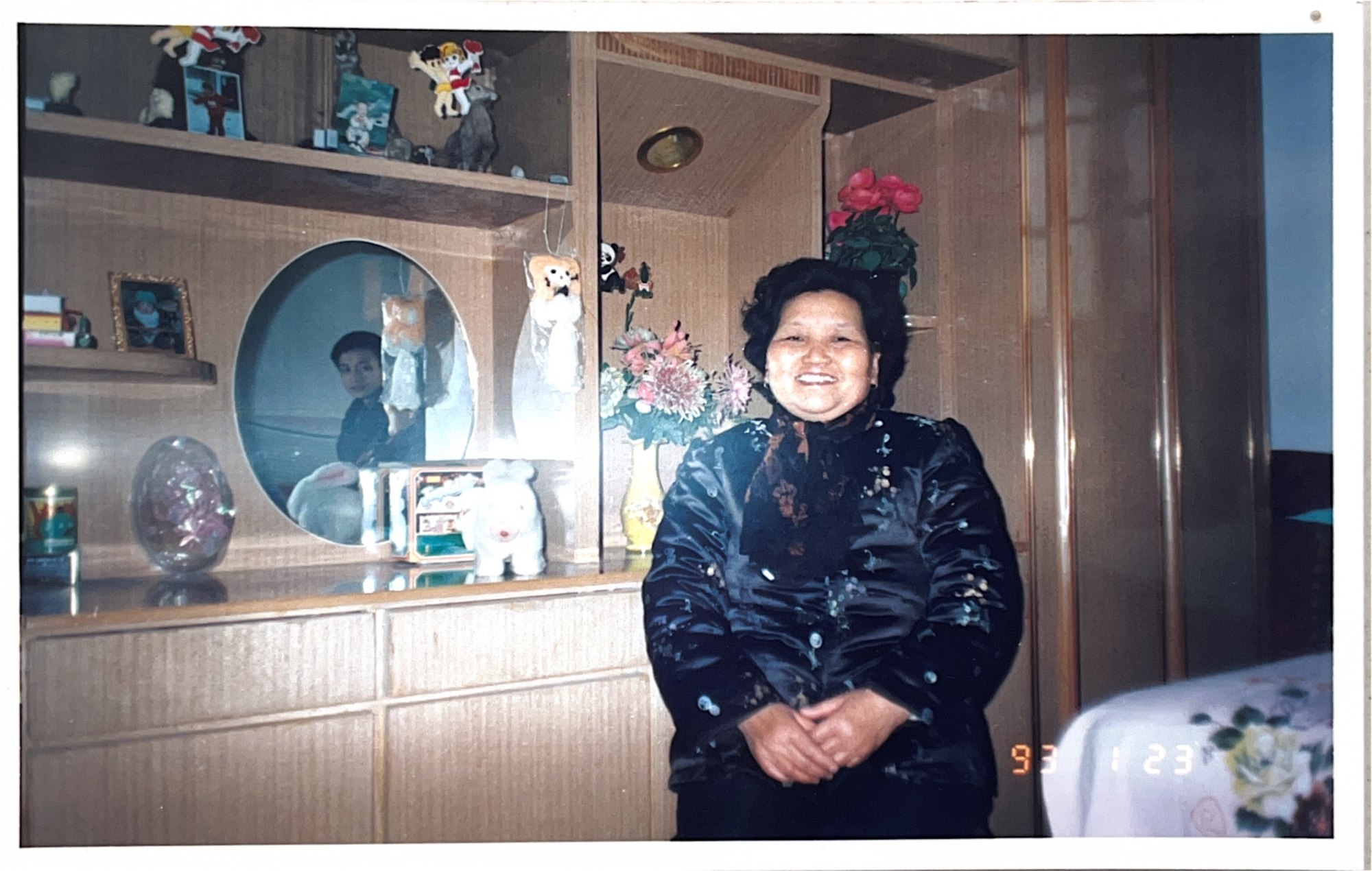
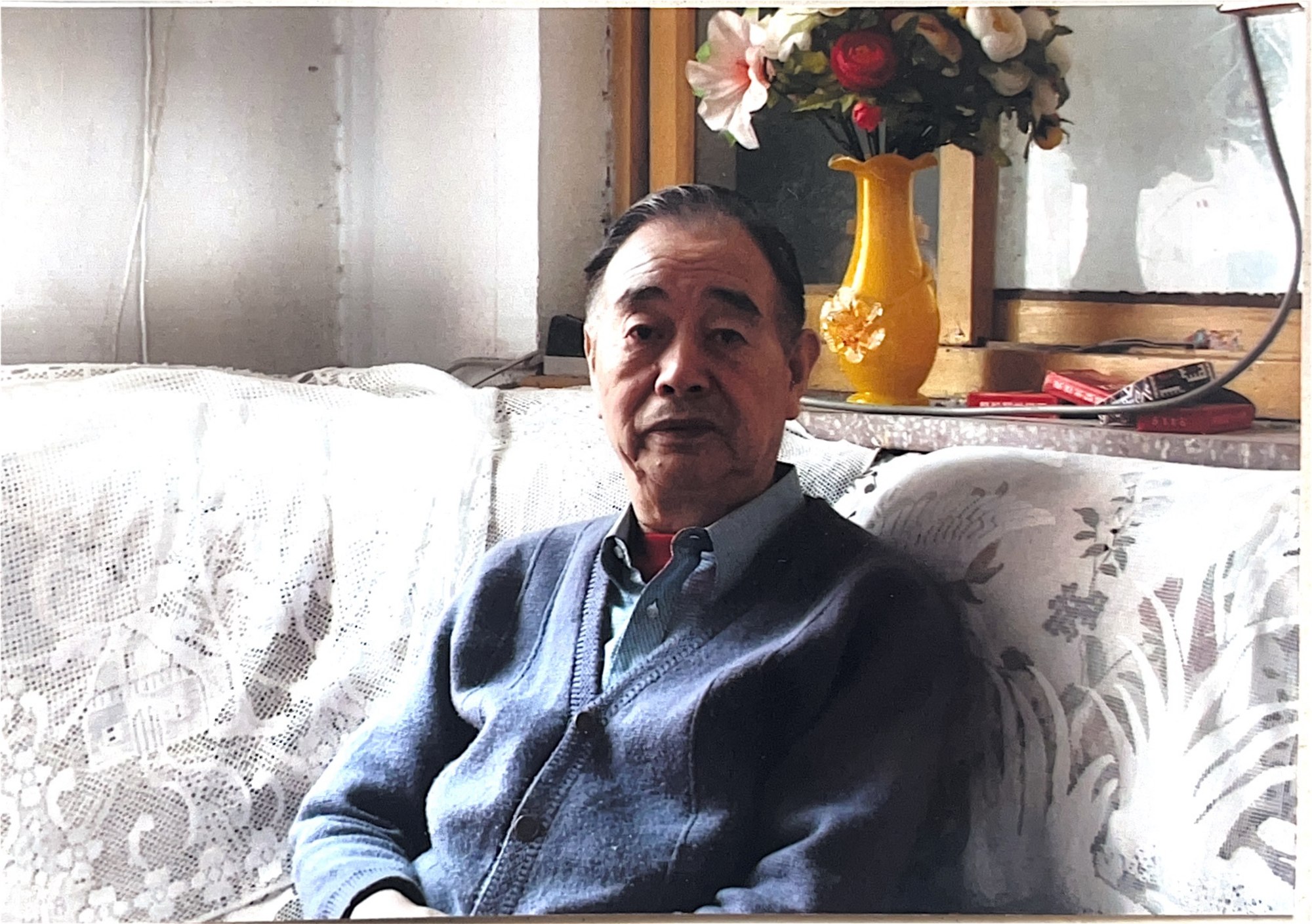
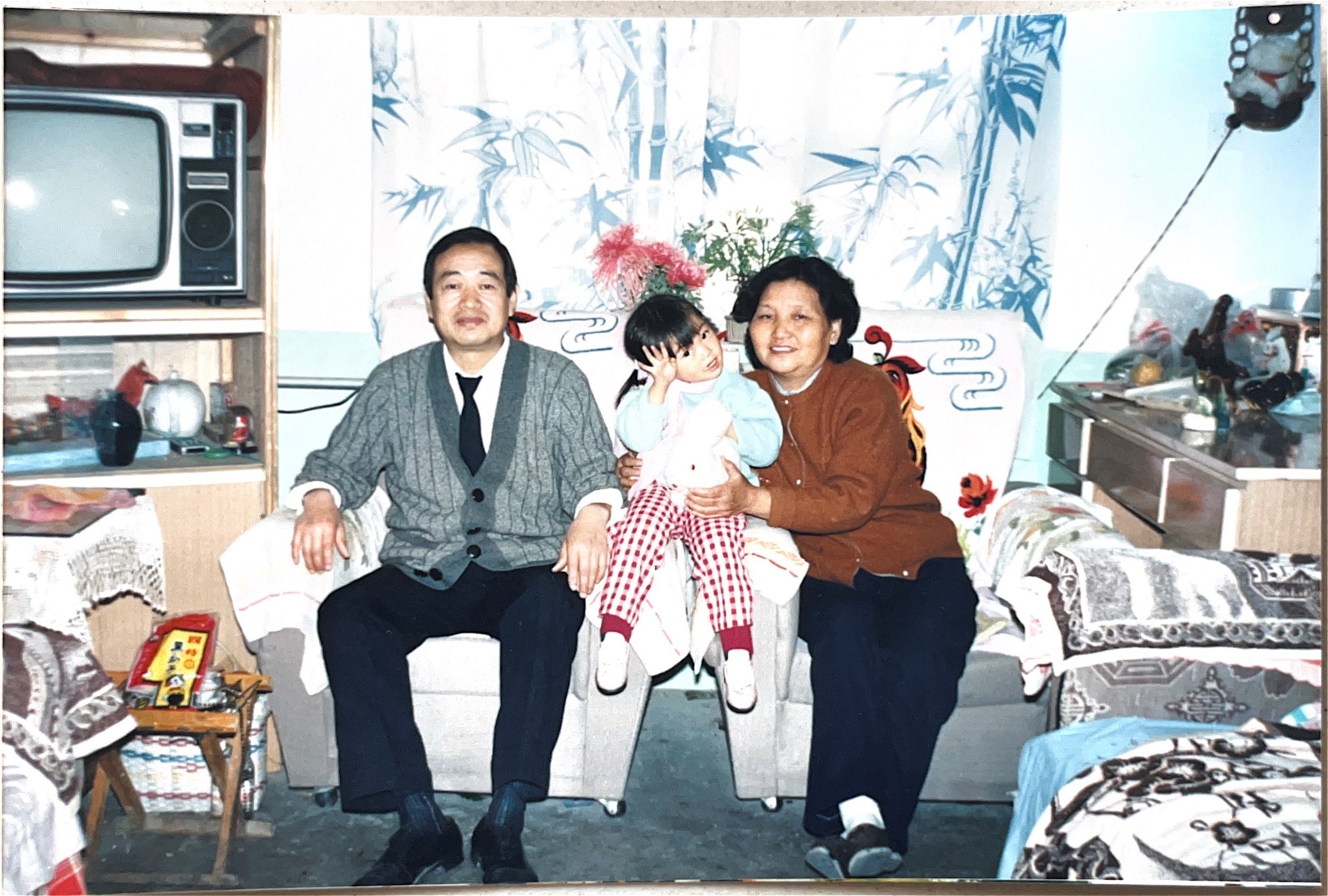
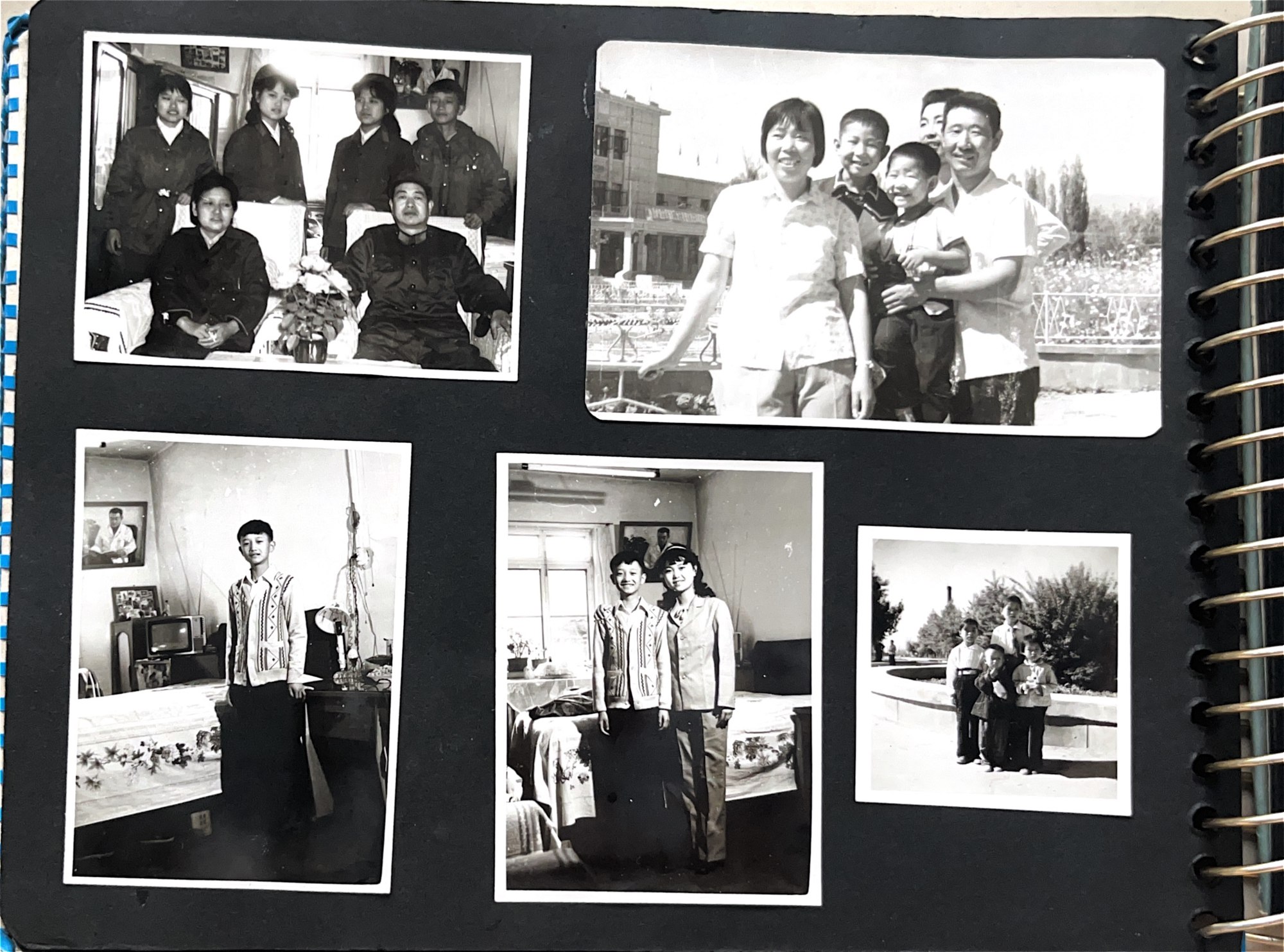
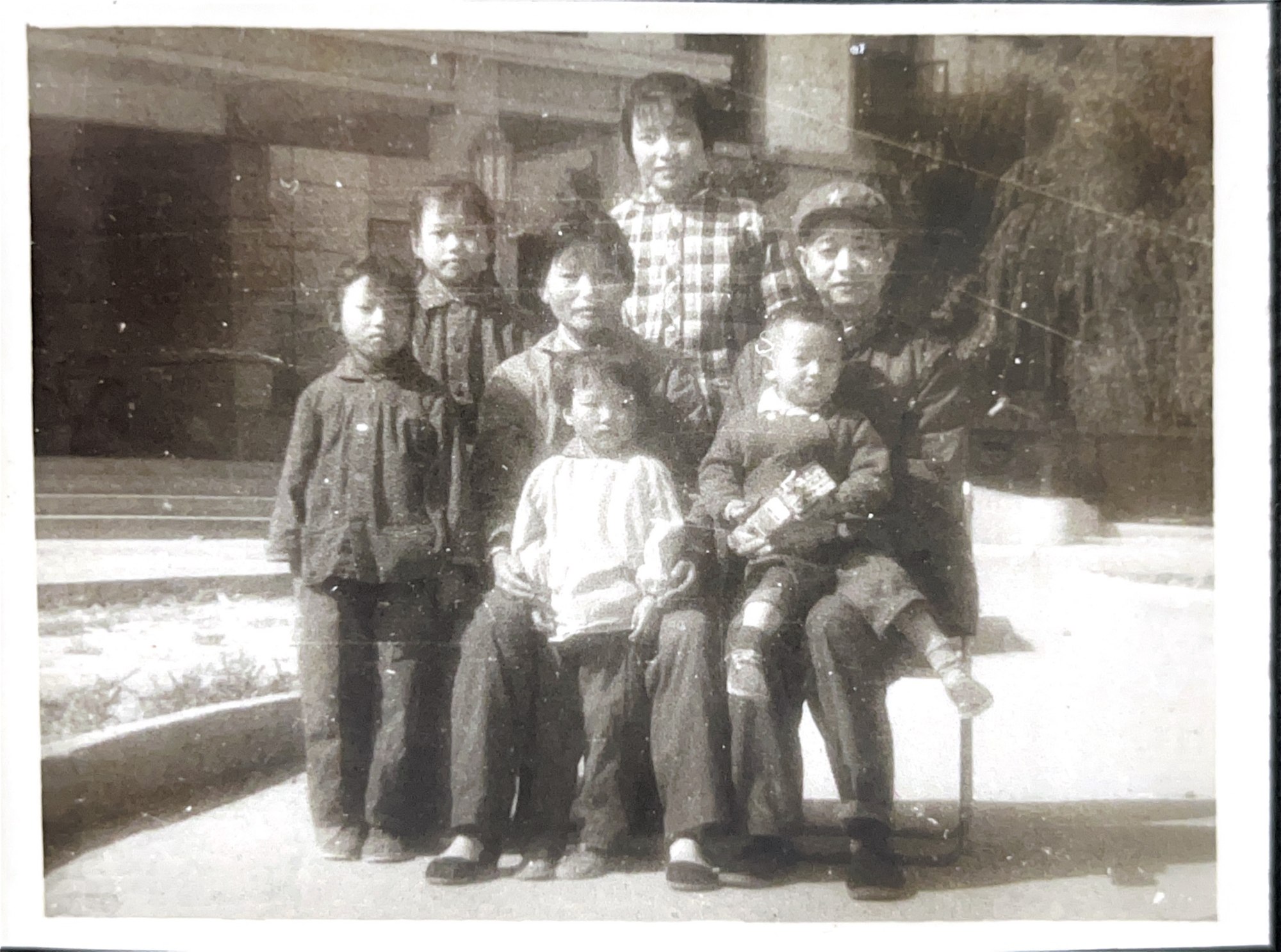
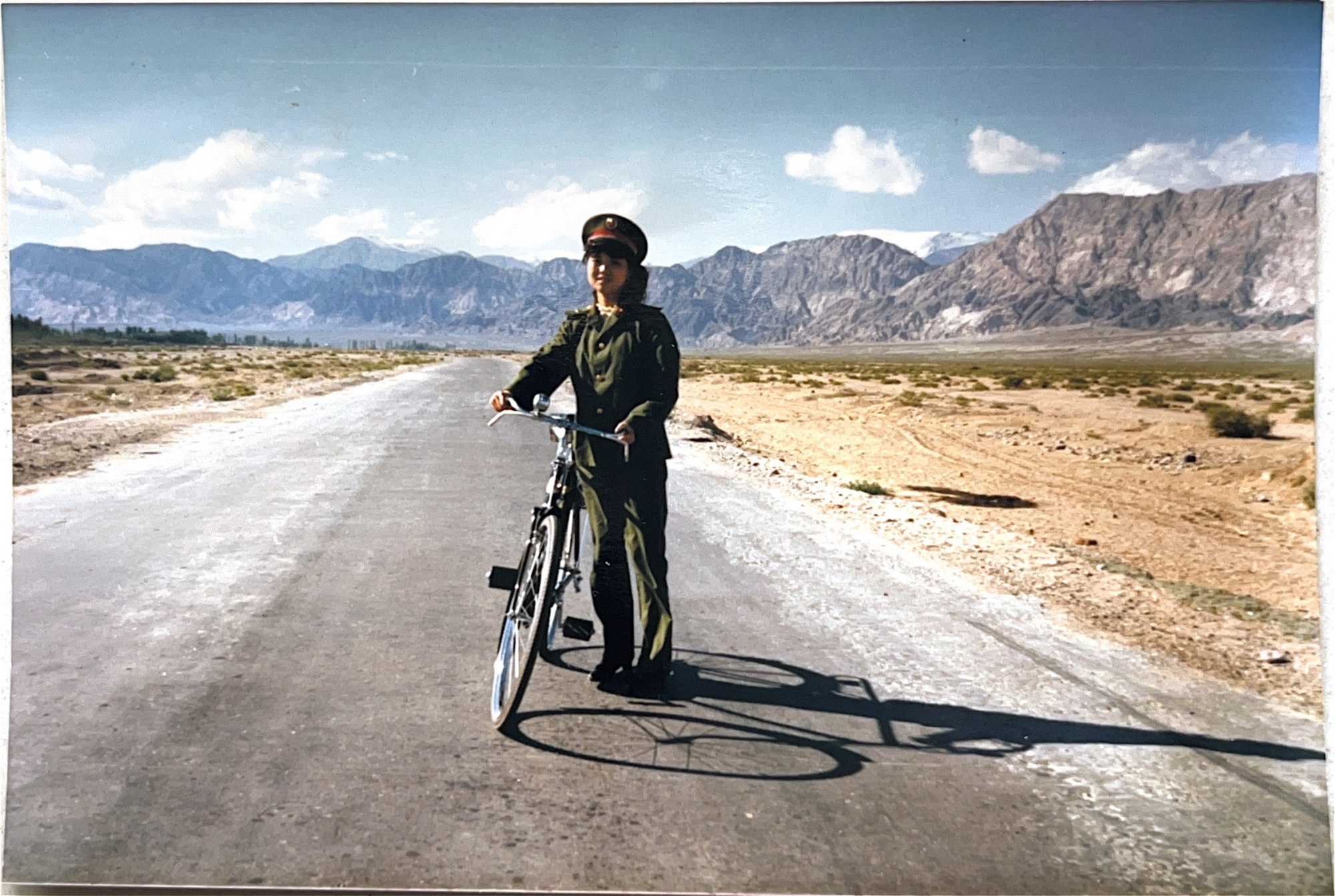
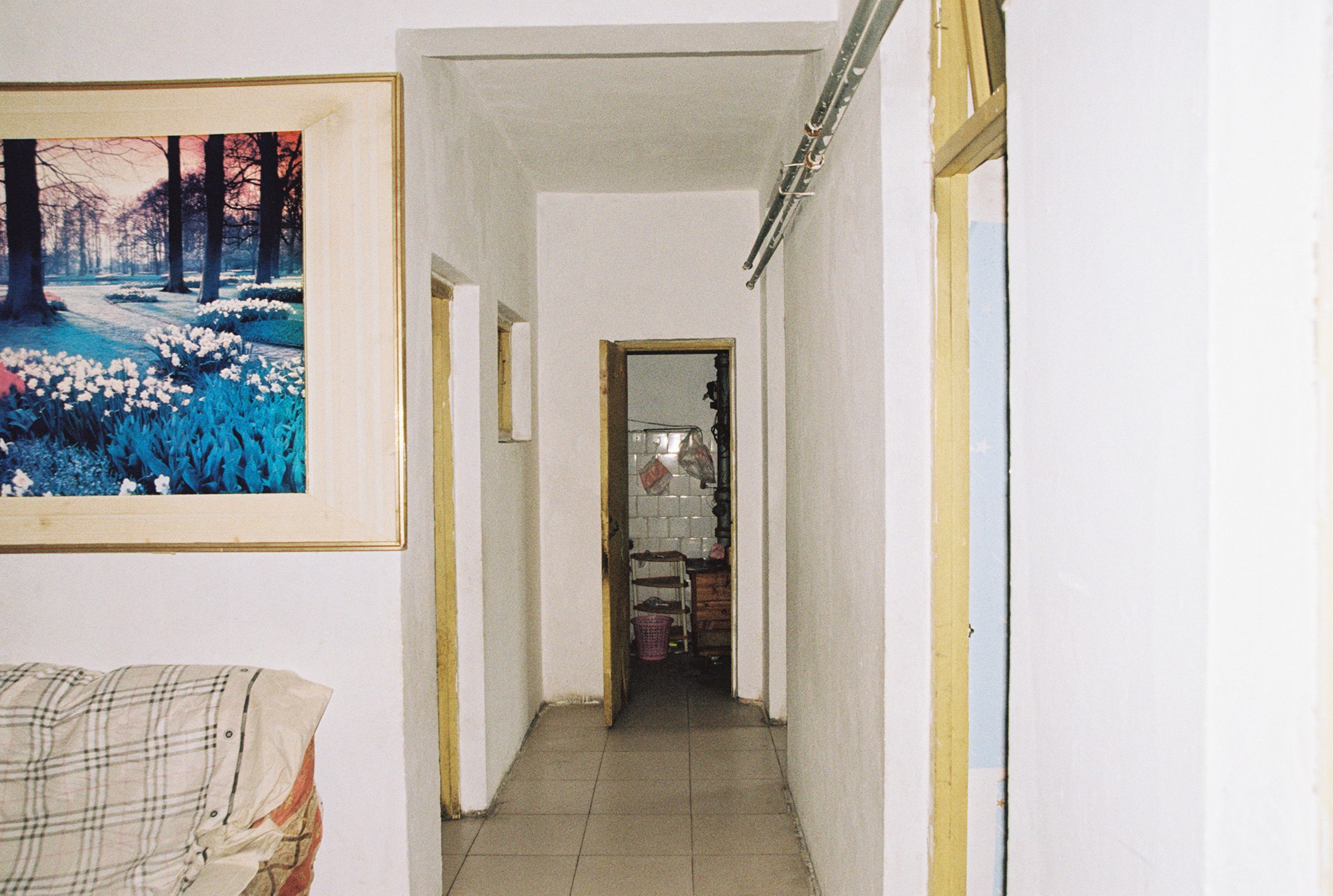
Ten years after leaving, I returned to the apartment where I had spent seventeen years. Before my birth, it had already held two generations of my family. My grandfather received it after returning from Xinjiang, and its rooms absorbed decades of tenderness, conflict, separation, and reunion. As a child, I once crouched in a bedroom corner whispering to a newly bought rabbit while my aunt and grandfather argued outside. Adults’ voices seemed as large as their authority in a child’s world; a slammed door exploded from deep inside the apartment and travelled into the stairwell.
After my grandfather died, we moved away. Years later, I opened his wardrobe and the faint scent of old wood rushed toward me exactly as it had in childhood. His bed, once covered with books, quilts, and pillow towels, had become a bare iron frame whose springs creaked under pressure. His smell was gone.
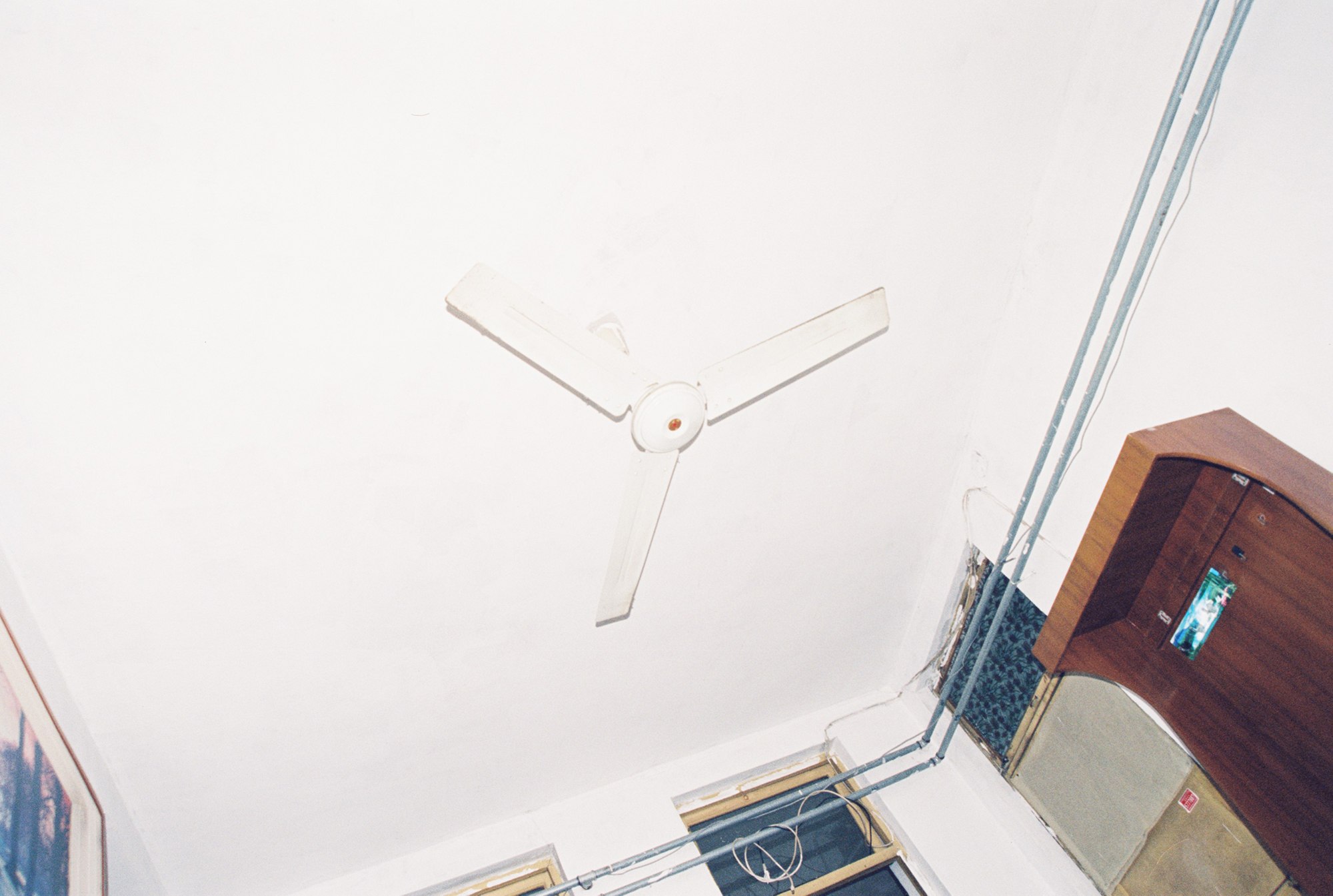
More unsettling was the altered scale of the house. The ceiling fan that once seemed impossibly high was now within reach. I had grown; the house had somehow shrunk. Memory and present vision no longer aligned.
Bachelard’s intimate house, Böhme’s atmosphere, and Boym’s reflective nostalgia help me understand this bodily dislocation. The body still carries an invisible map of the house, but something disappeared when we left. Since then, it has no longer been a home, only a property.
Dwelling Elsewhere