Ongoing Pastoral Fieldwork
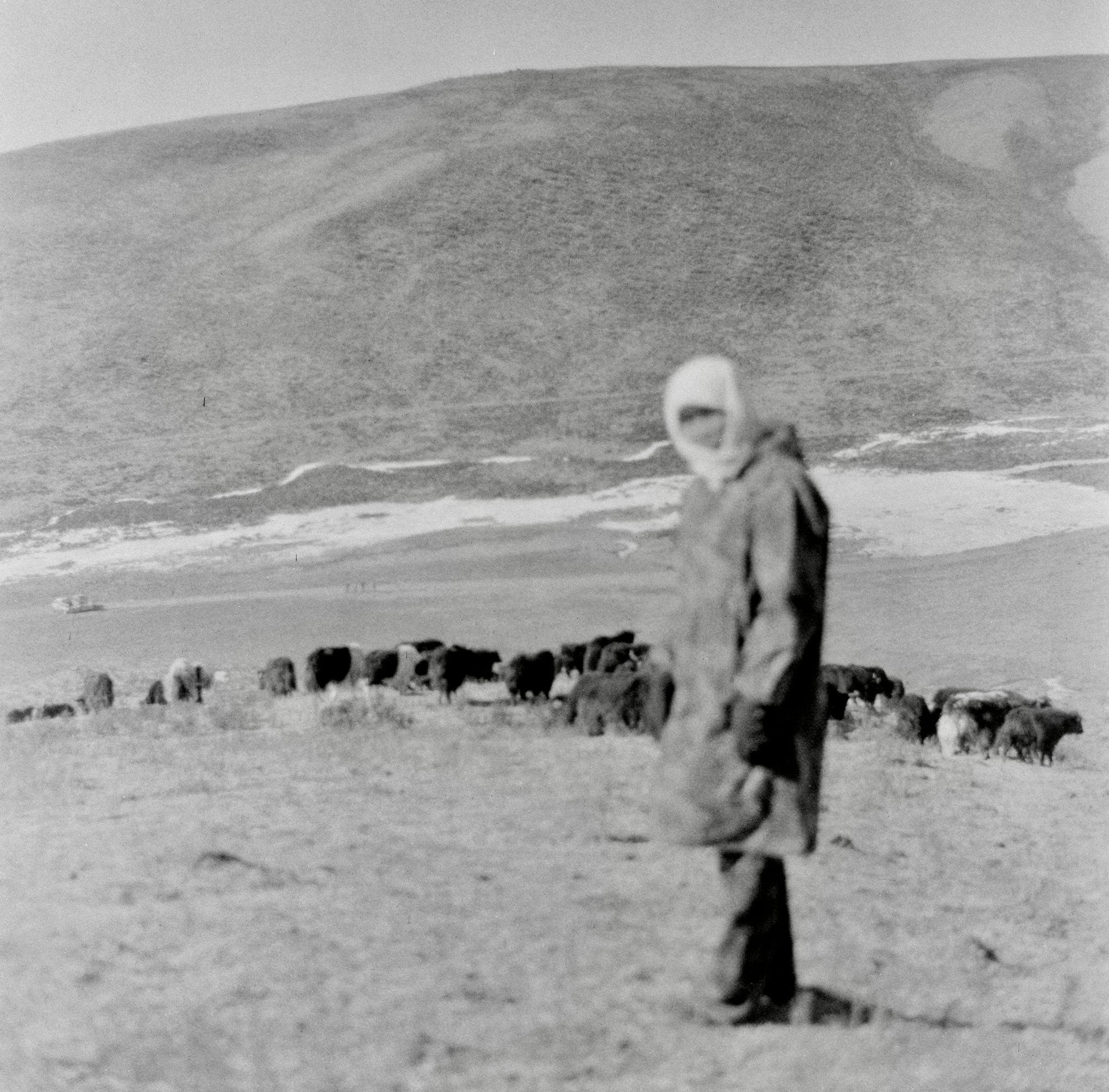
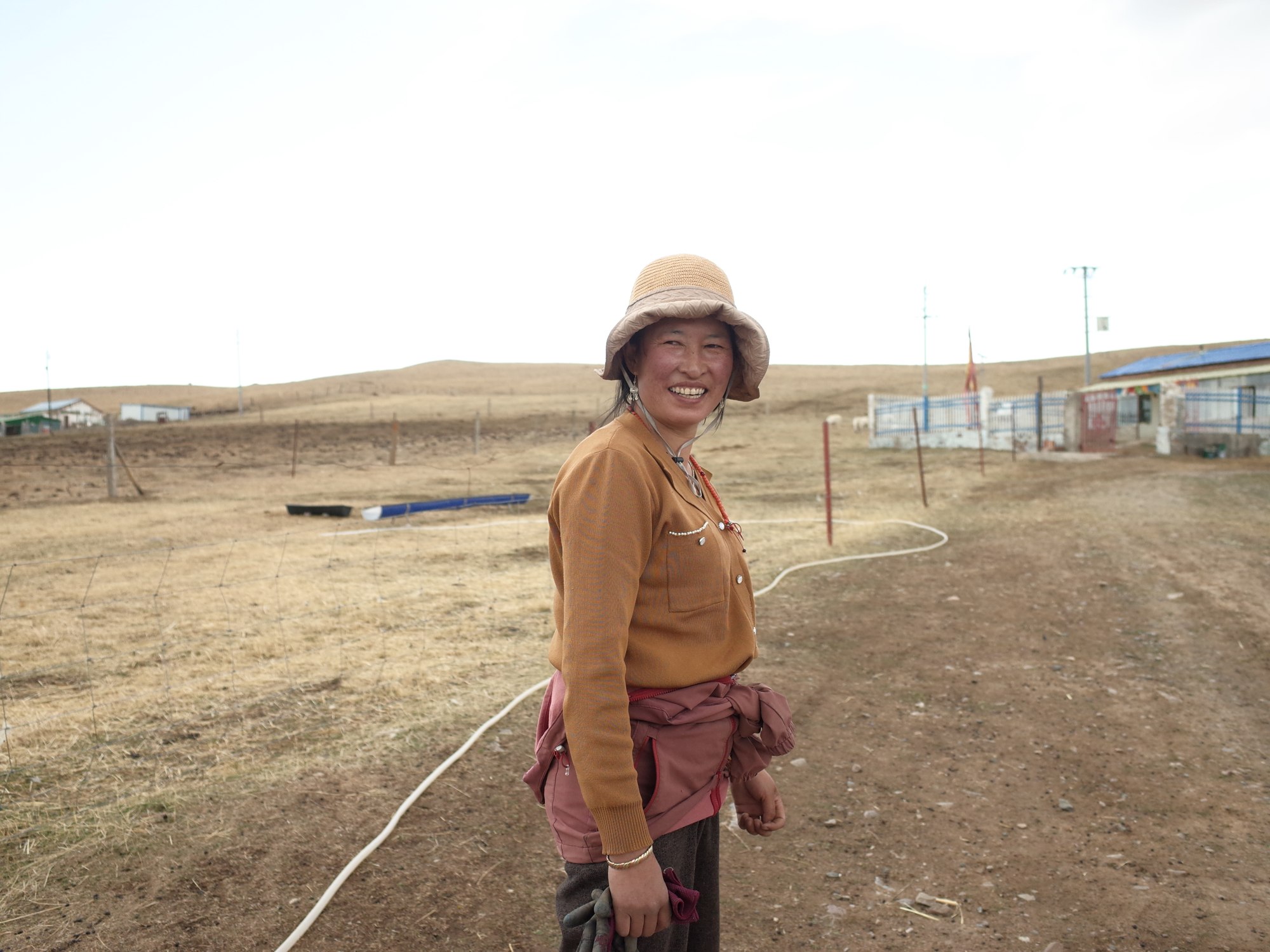
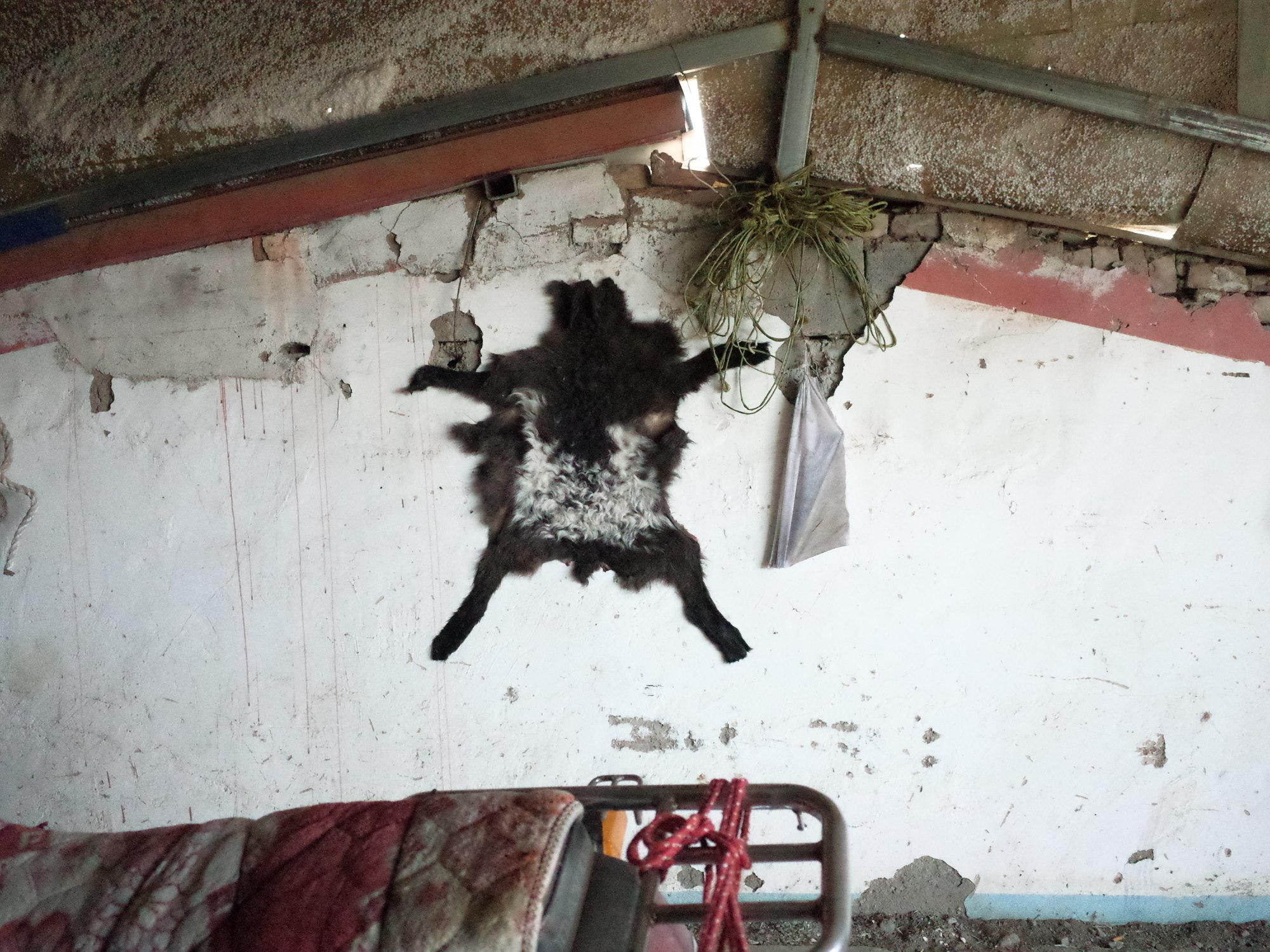
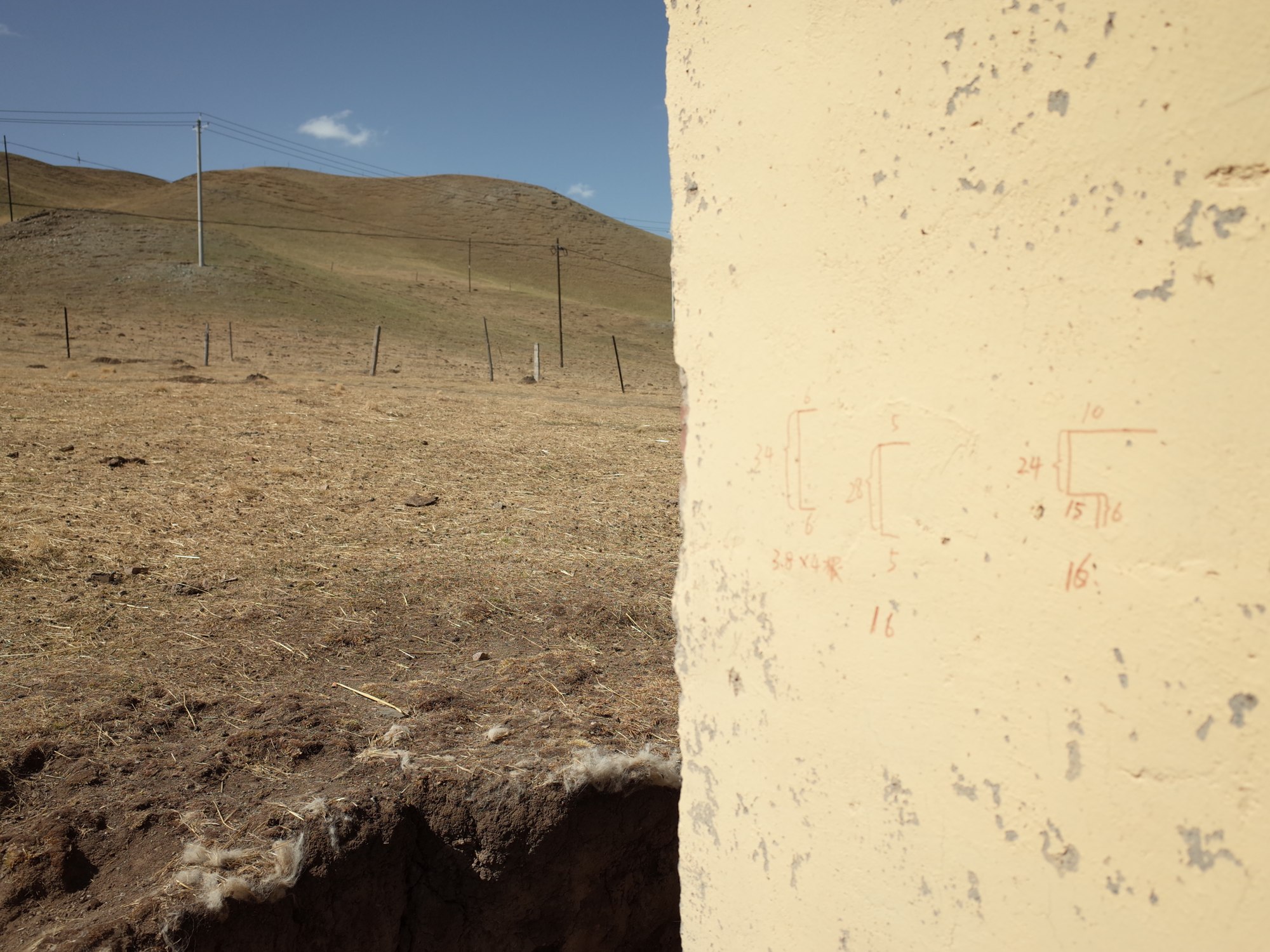
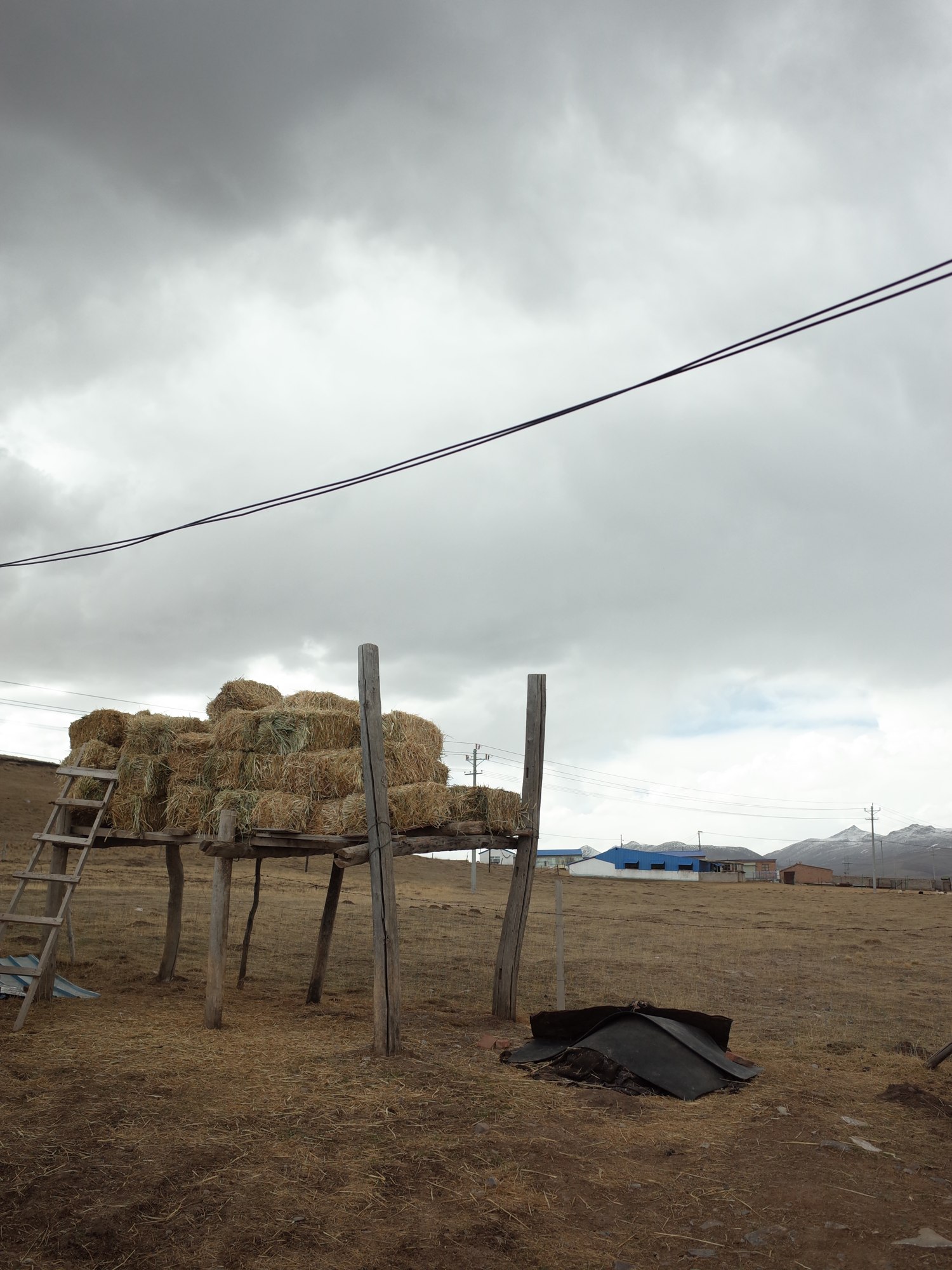
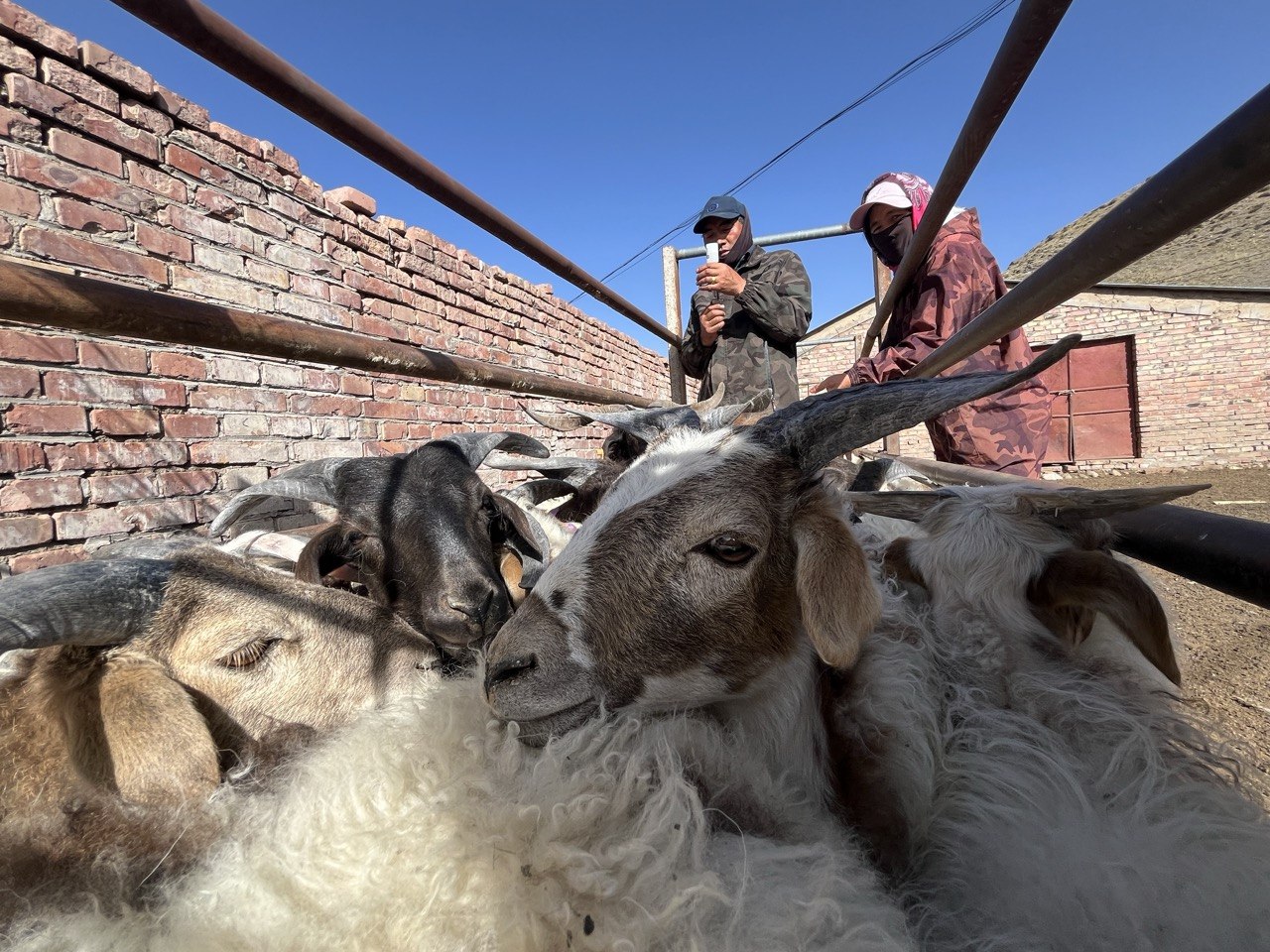
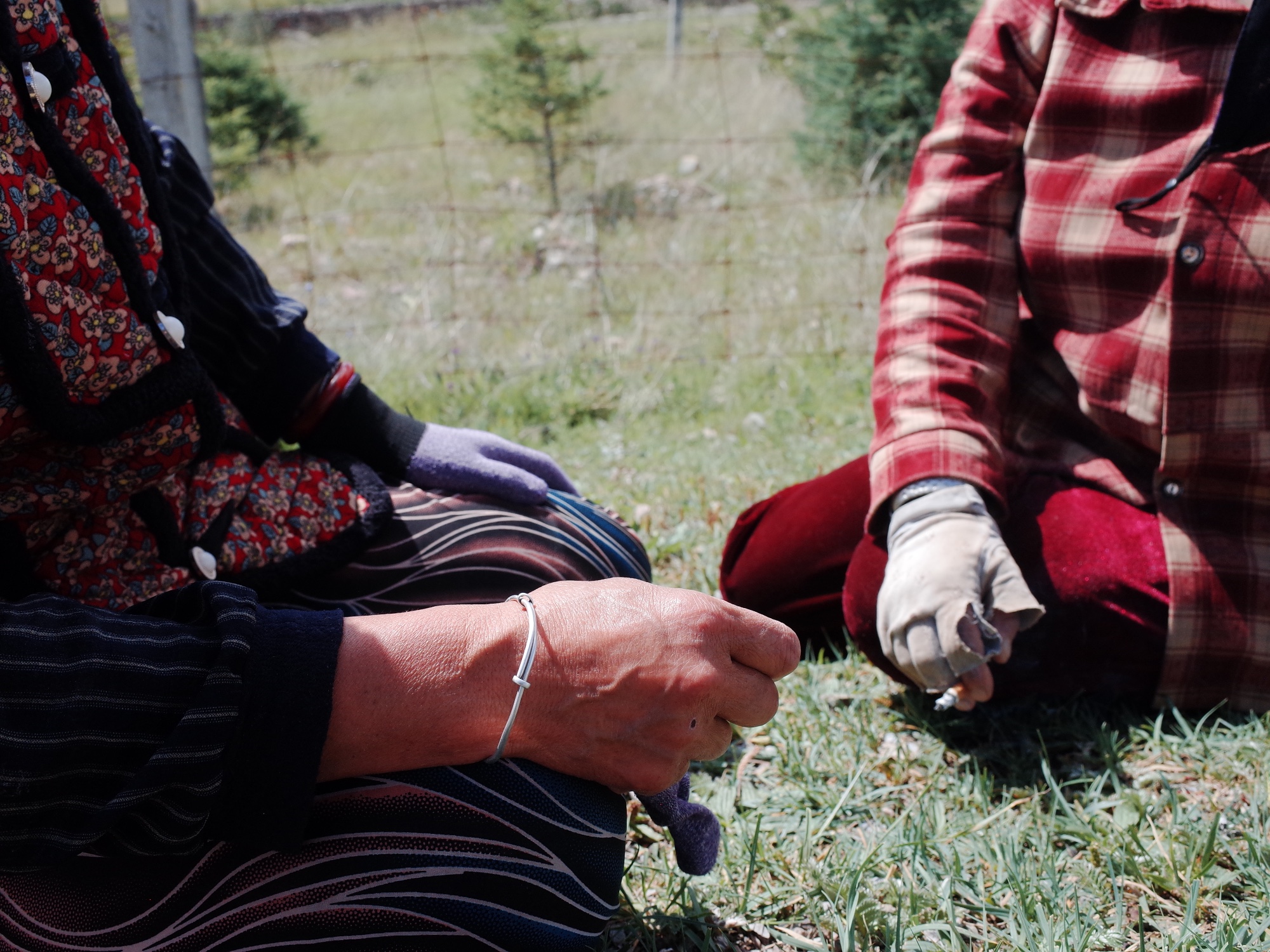
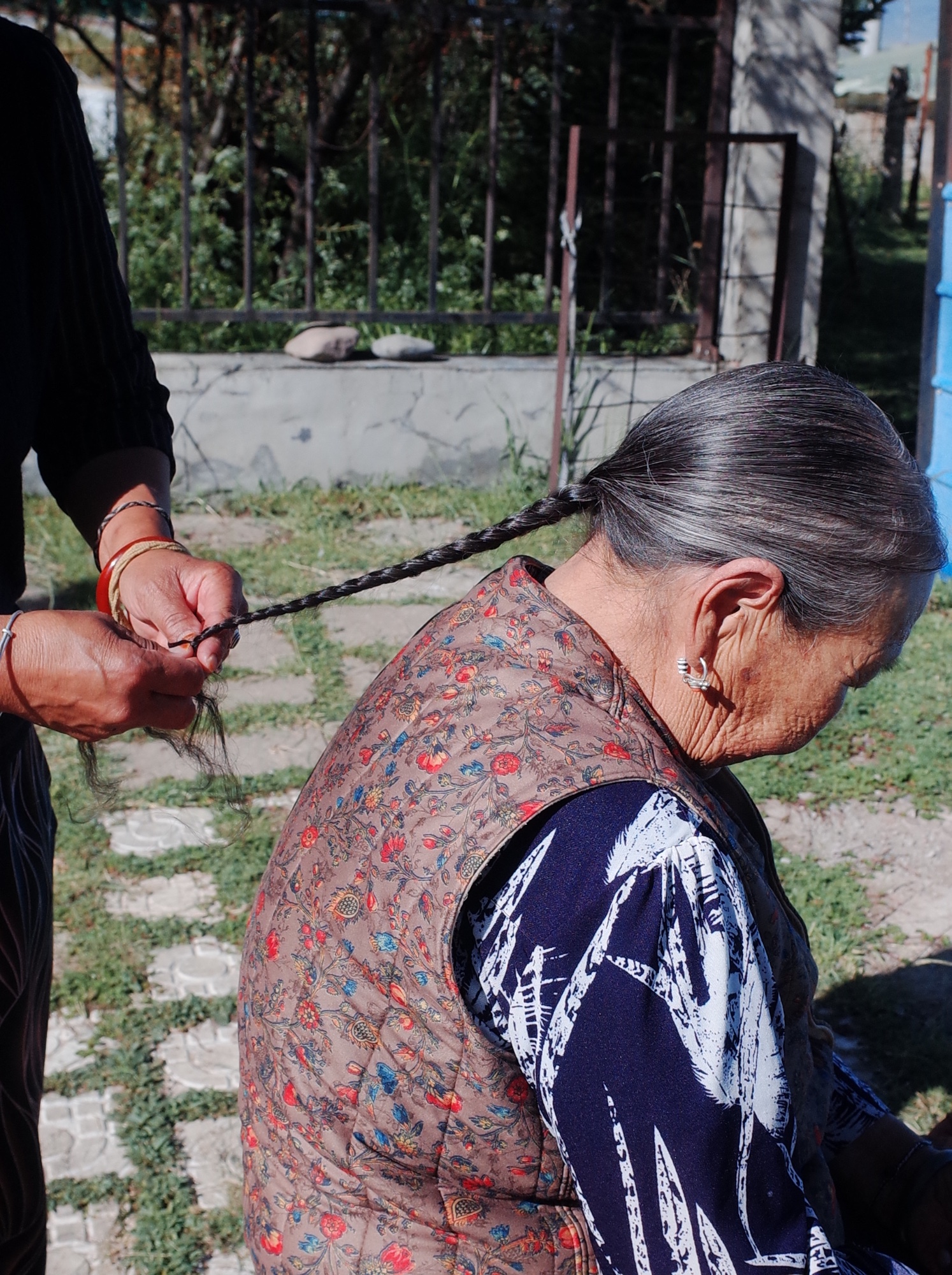
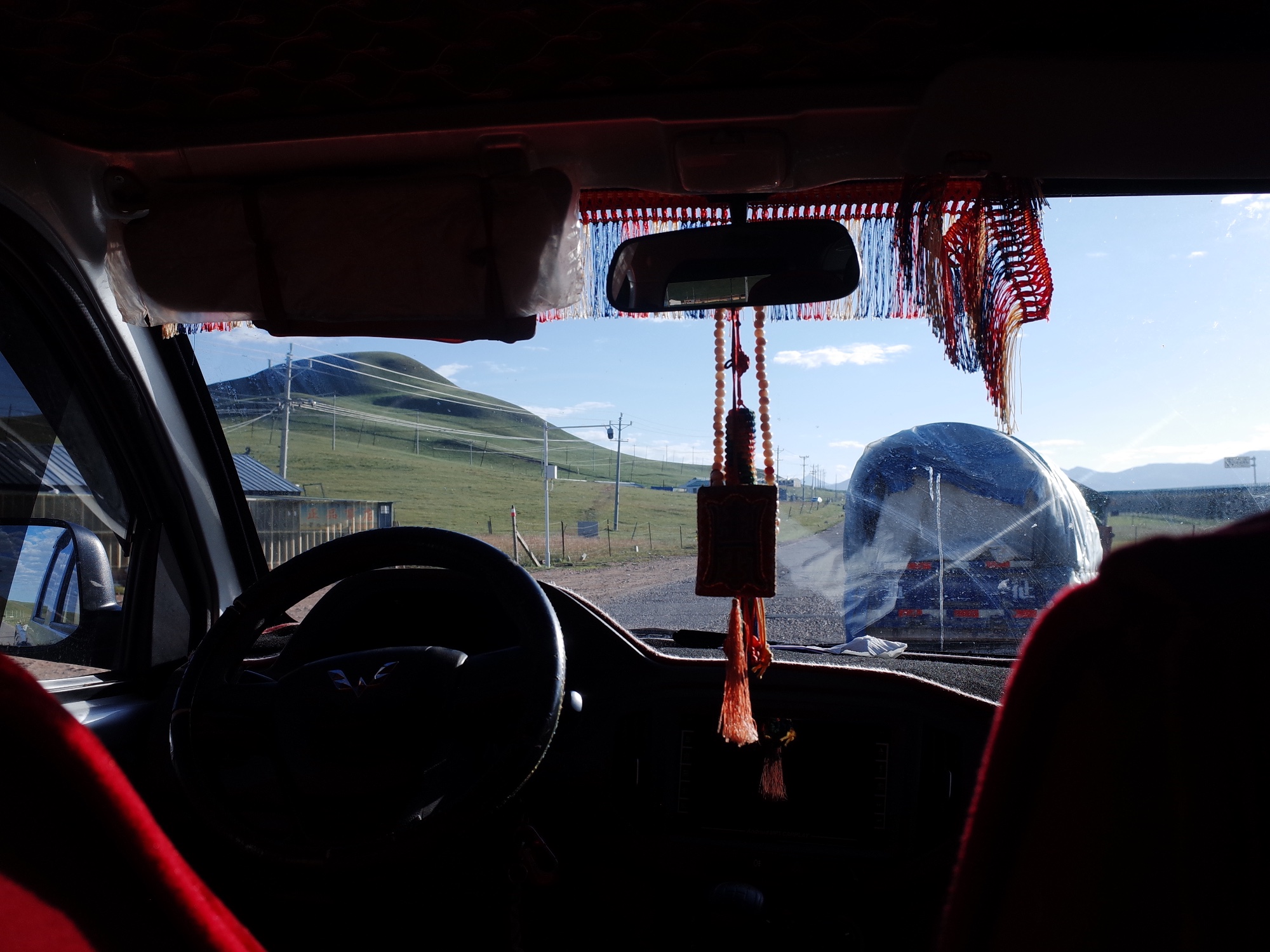
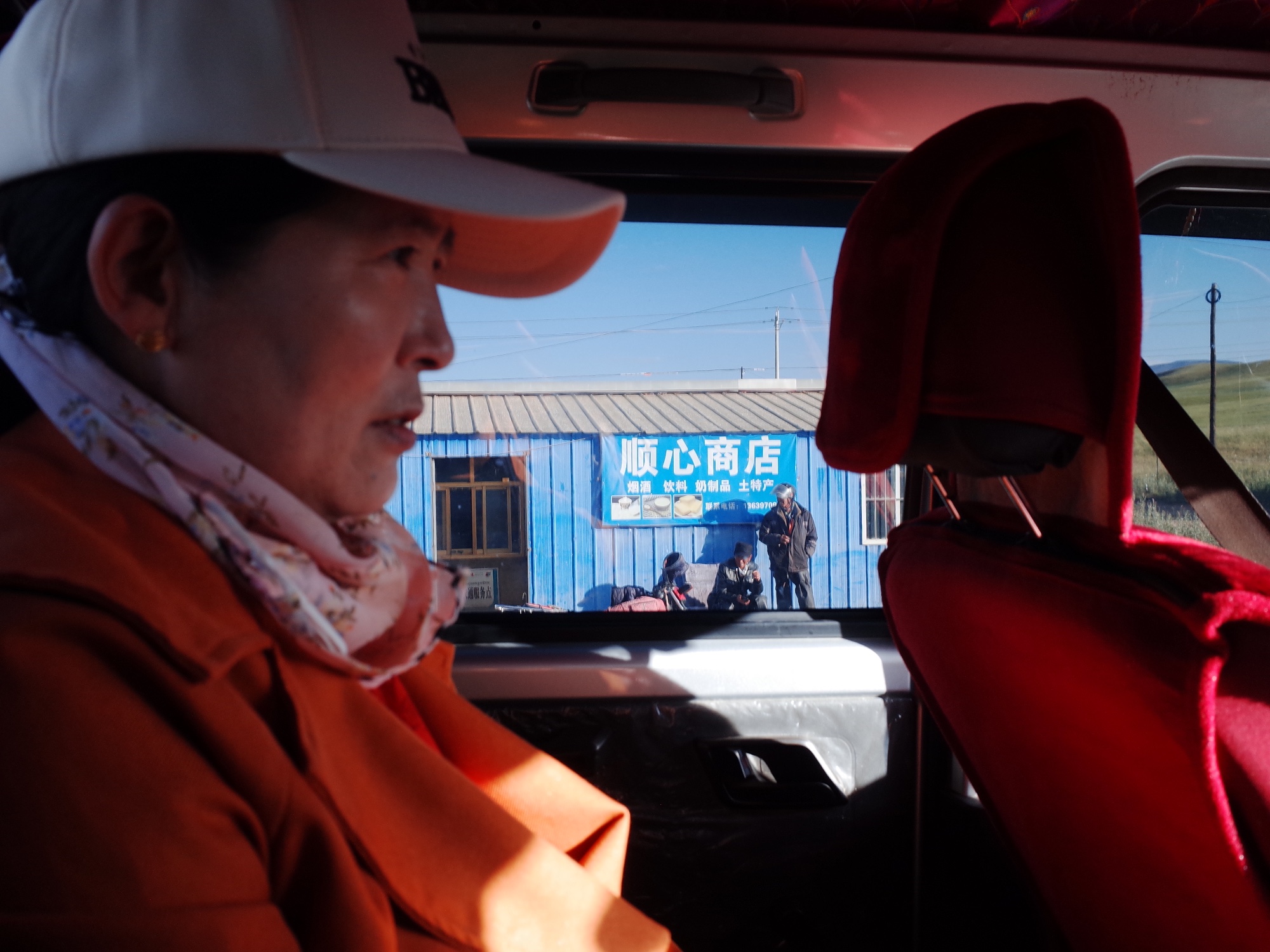
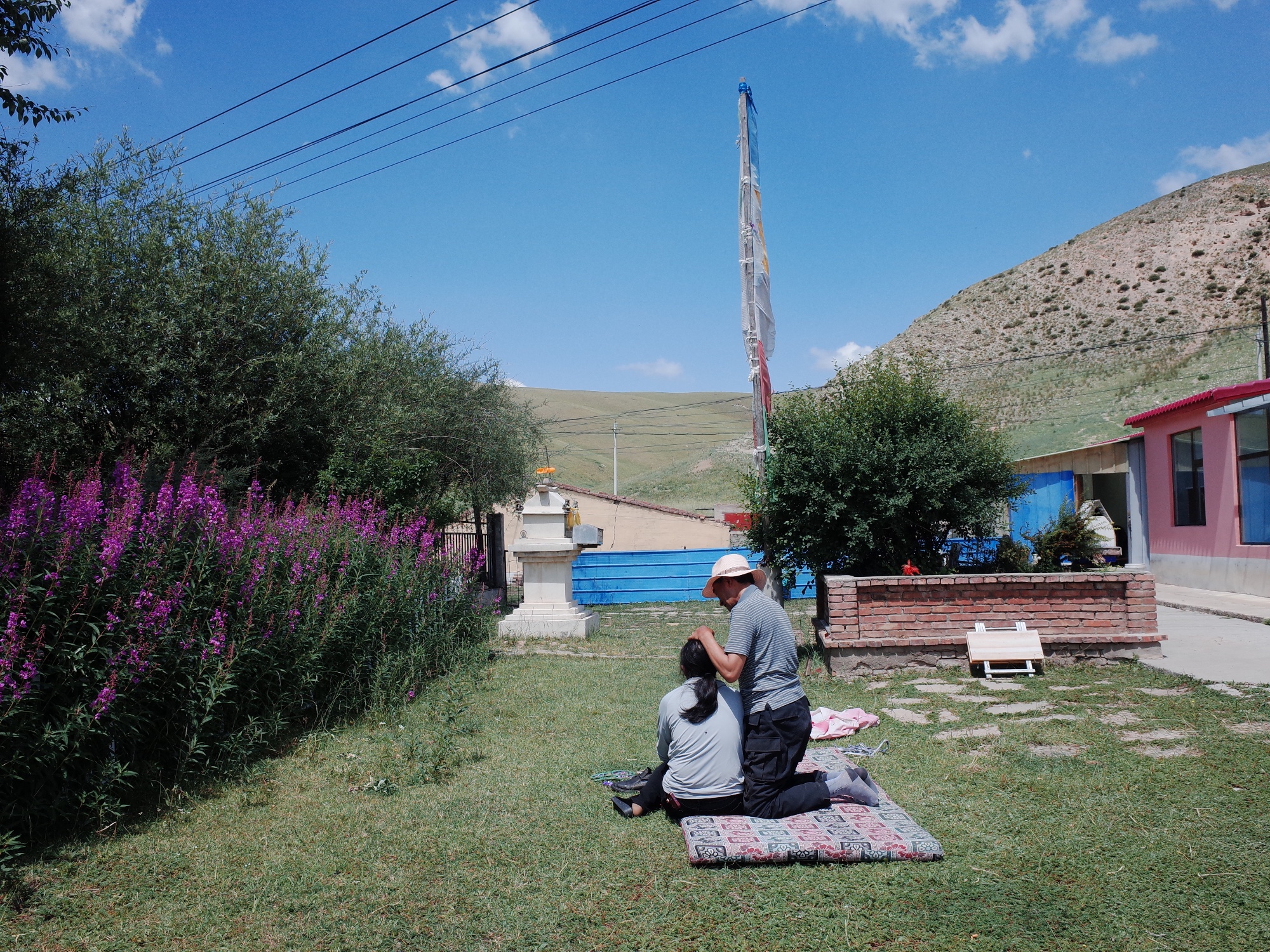
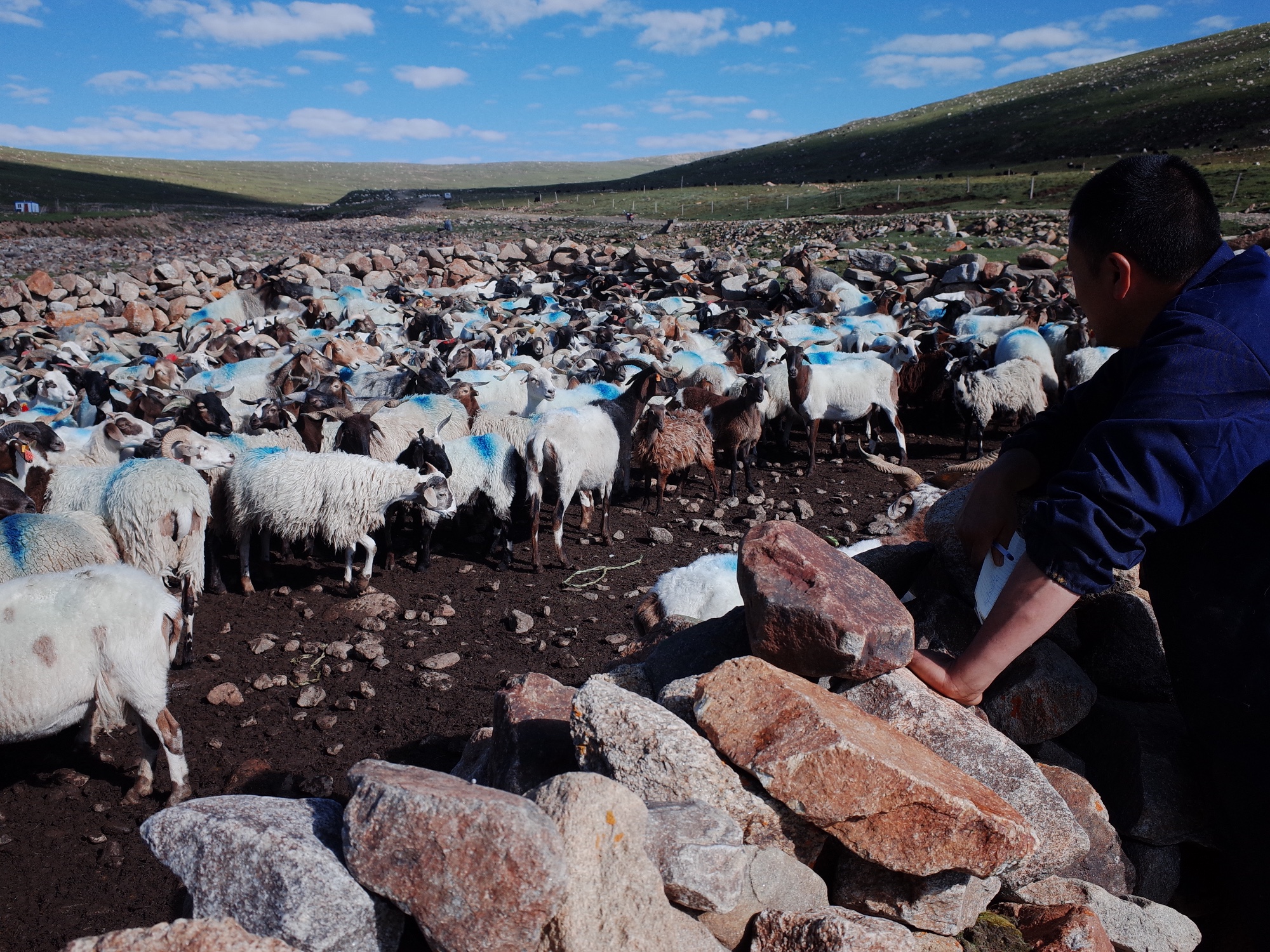
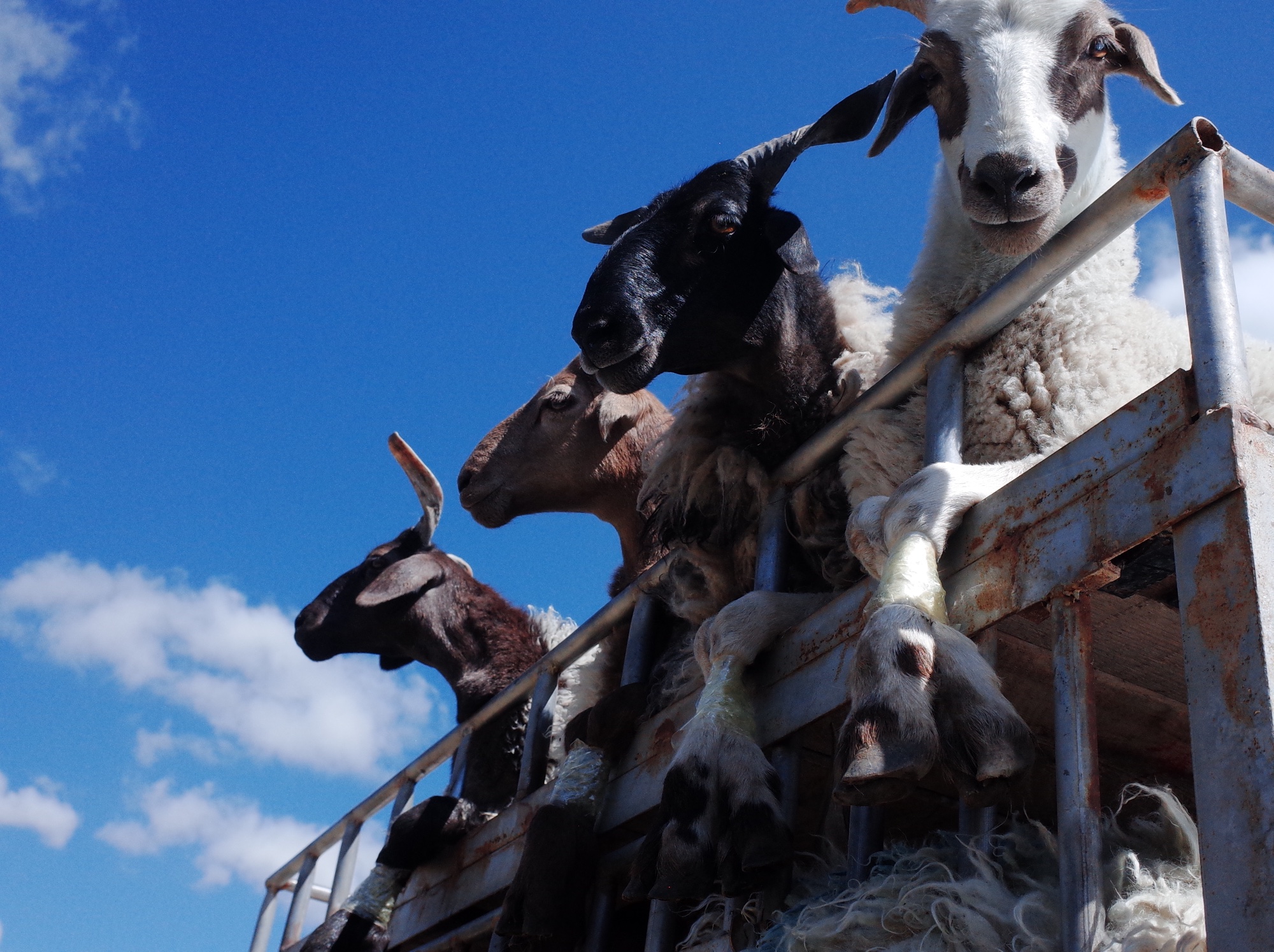
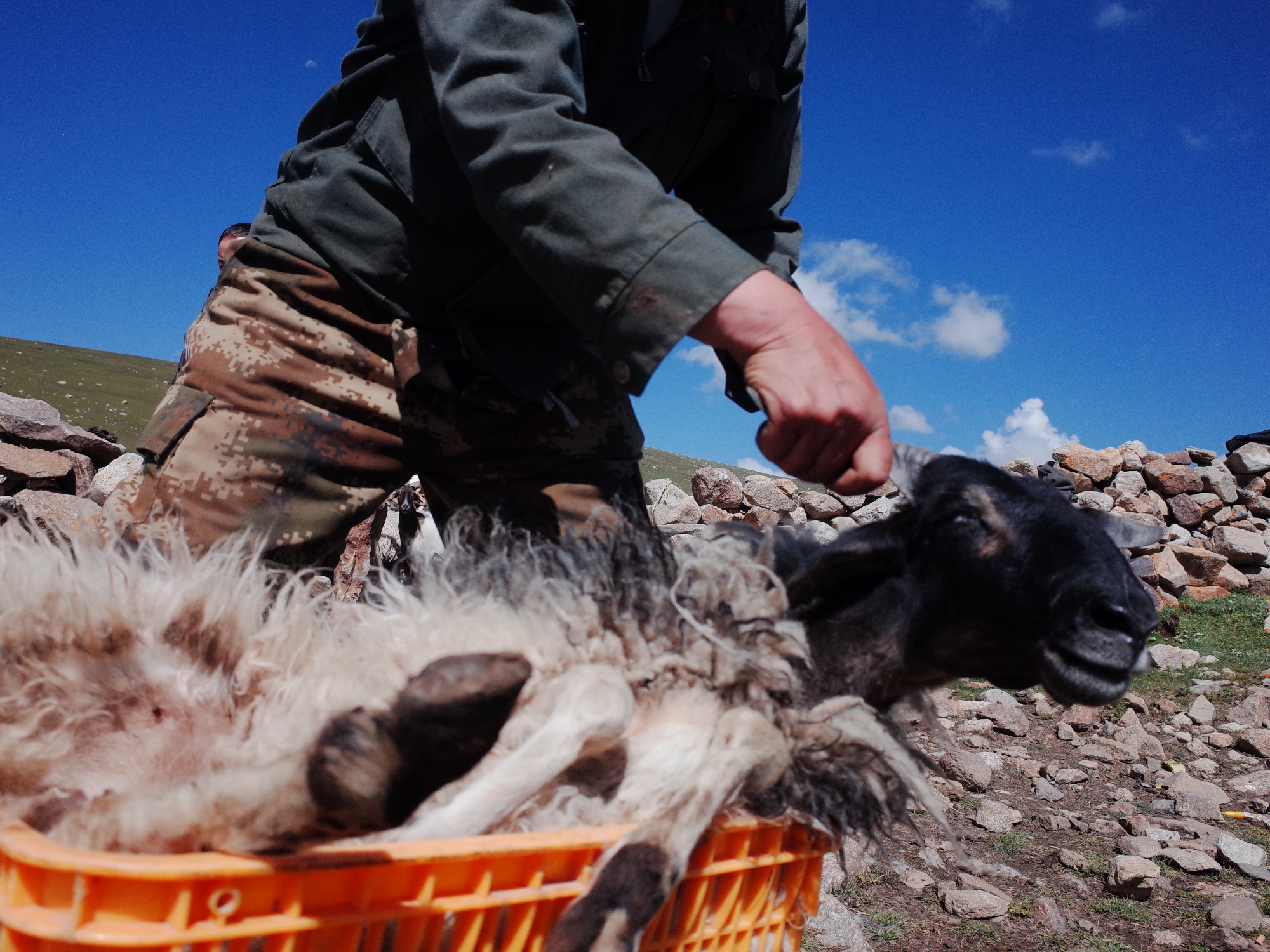
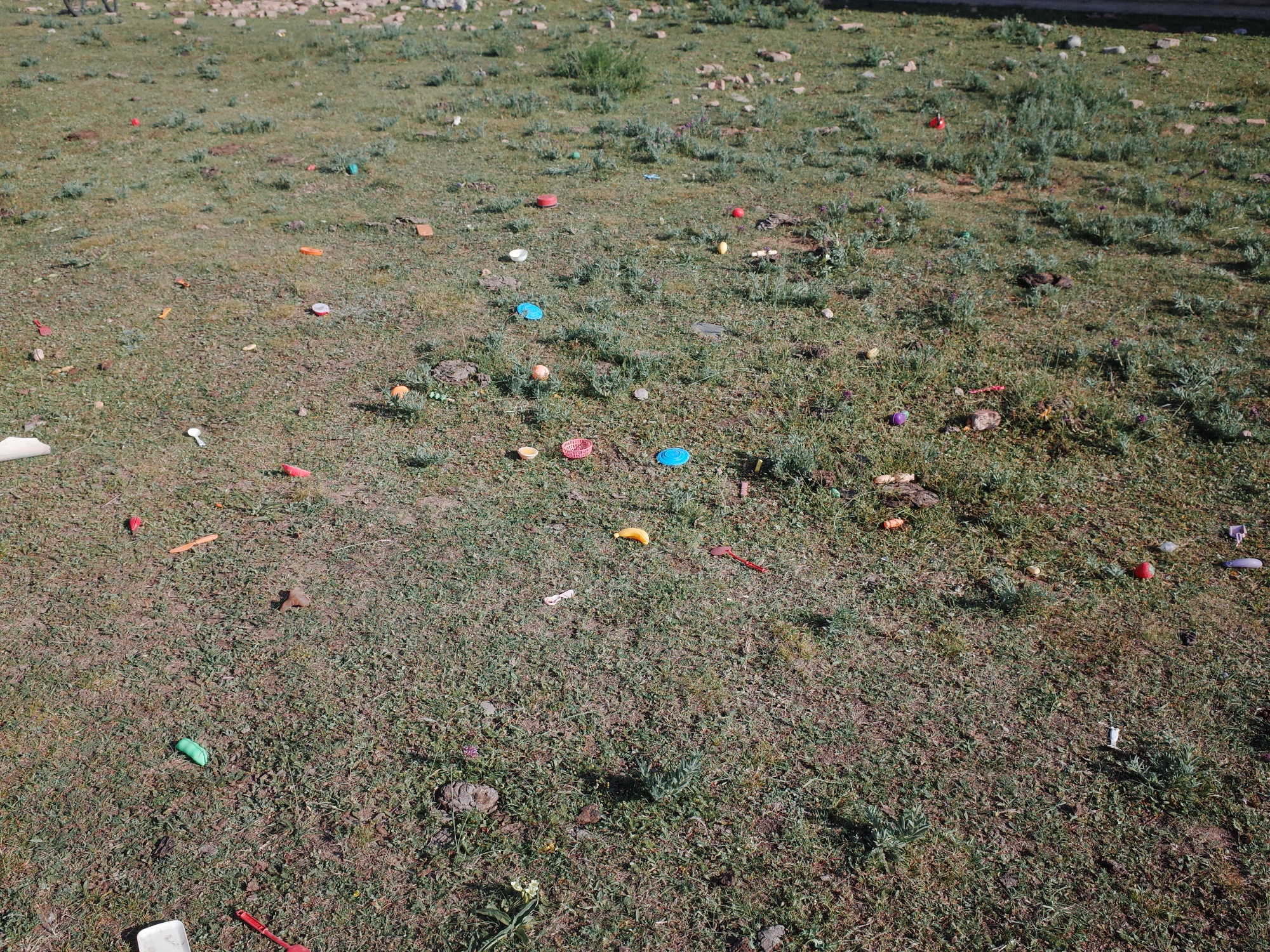
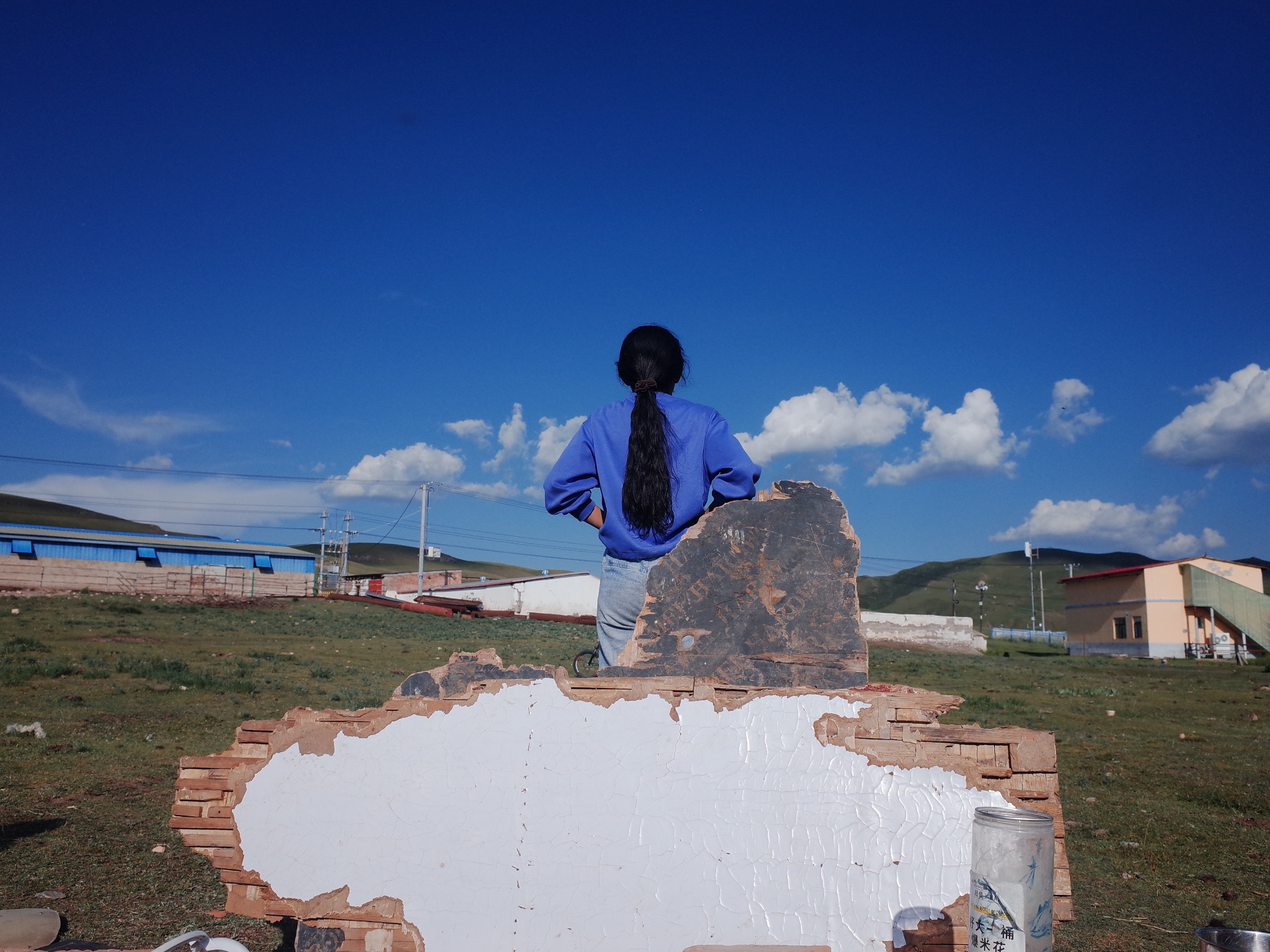
In anthropological fieldwork, who holds camera, who enters the frame, and what remains outside it all shape a relationship of looking. This ongoing project grows from my current fieldwork with pastoralist communities around Qinghai Lake and my broader interest in how relationships between people and land are lived and continually remade.
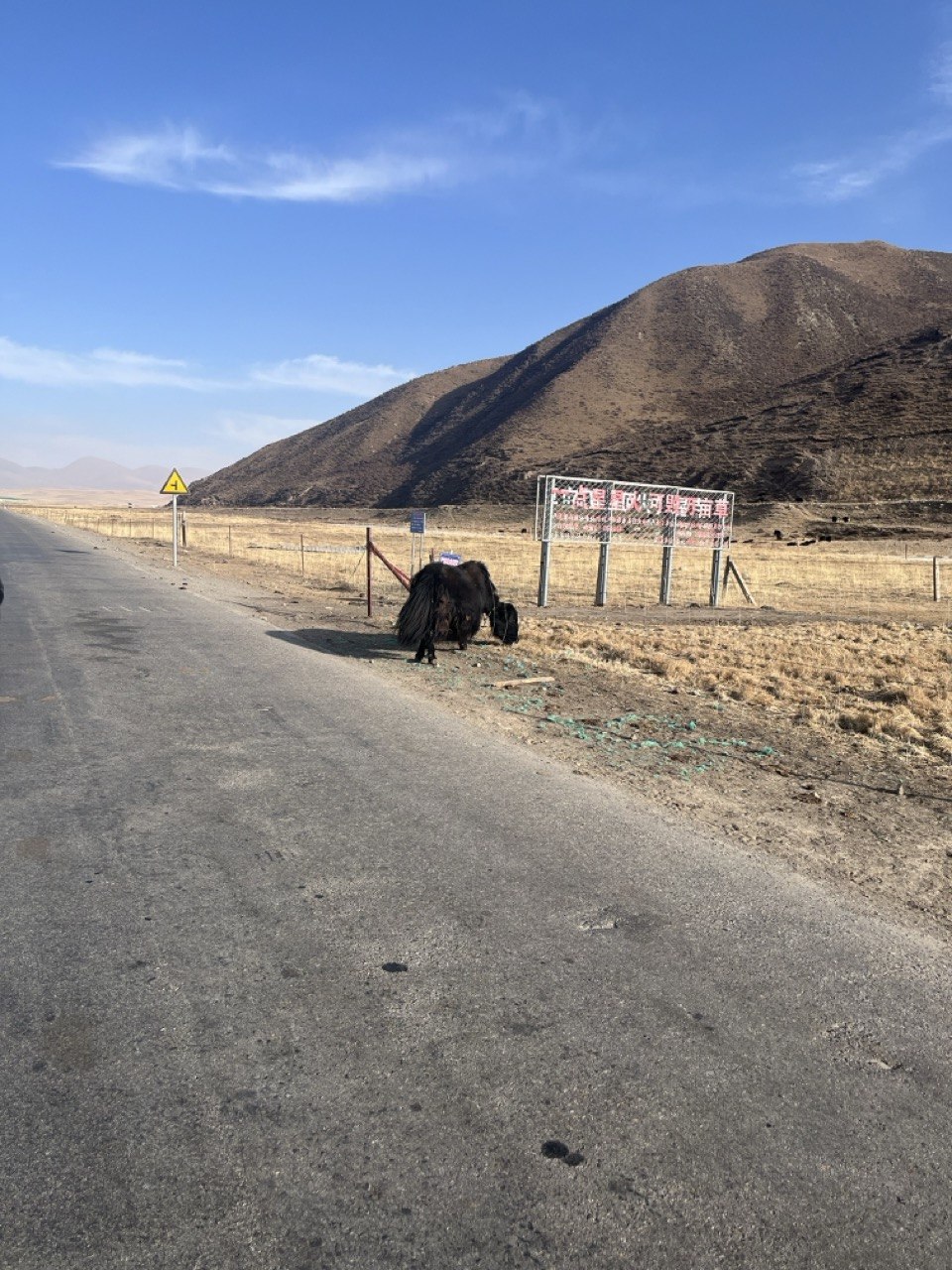
I approach land as something inhabited through movement, labor, livestock, transhumance, and everyday routines. These relations are also reshaped by fencing, grazing restrictions, roads, markets, and patterns of settlement, which alter how people move through and experience the landscape.This fieldwork combines participant observation, shared labor, interviews, photovoice, sound, and documentary filmmaking. These methods allow me to attend not only to what can be articulated in interviews, but also to gesture, movement, silence, rhythm, and sensory experience. Images and sounds therefore become part of the analytical process rather than illustrations of written arguments.
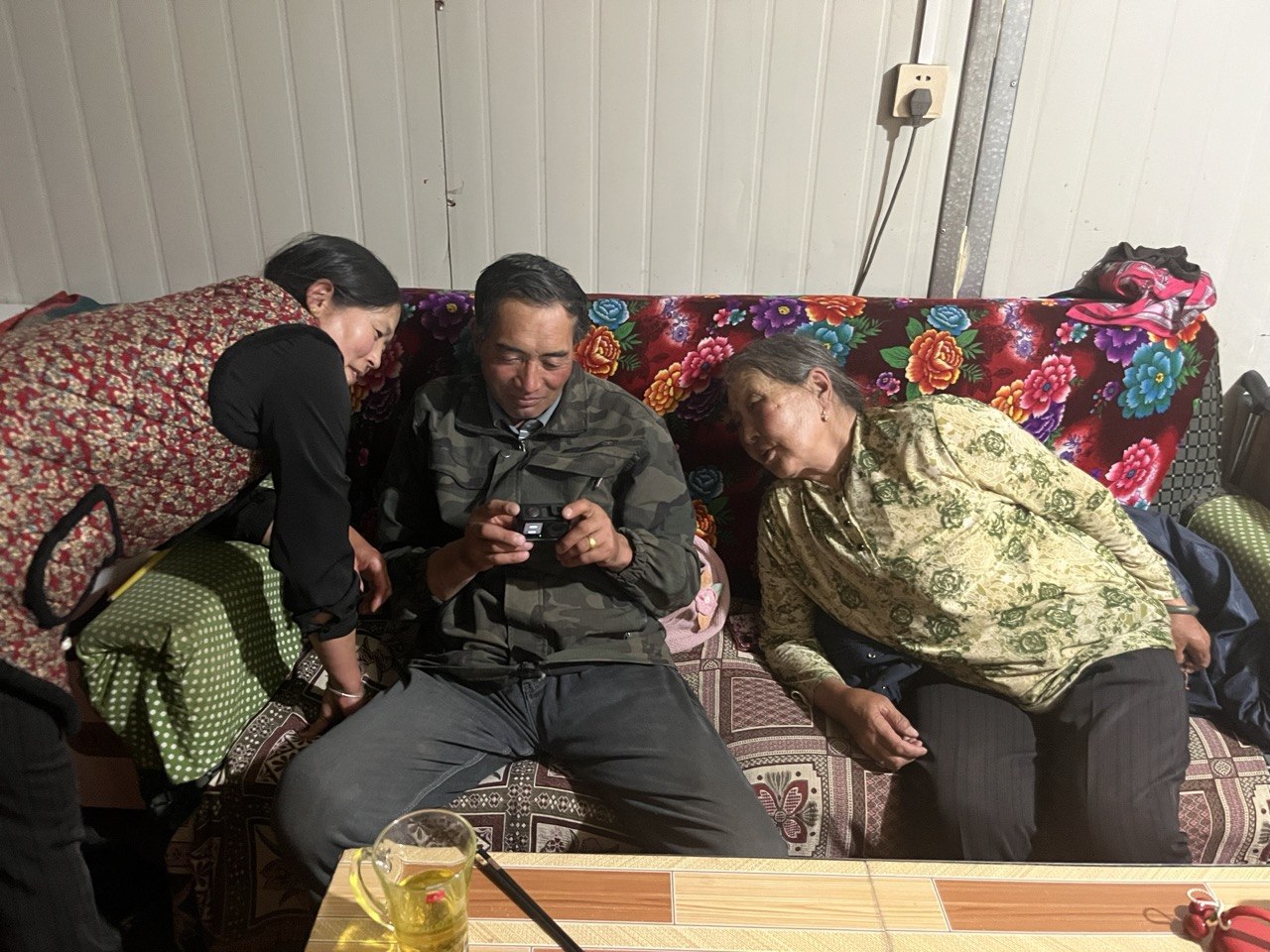
Through photovoice and collaborative viewing, participants also shape what becomes visible and discussable. A fence, an animal trail, a water source, or a familiar stretch of pasture may open conversations I would not have known to initiate. Photography thus becomes both a relational method and a way of thinking with the field, allowing different experiences of land to encounter one another without being reduced to a single interpretation.
" She Never Stood Up Again "
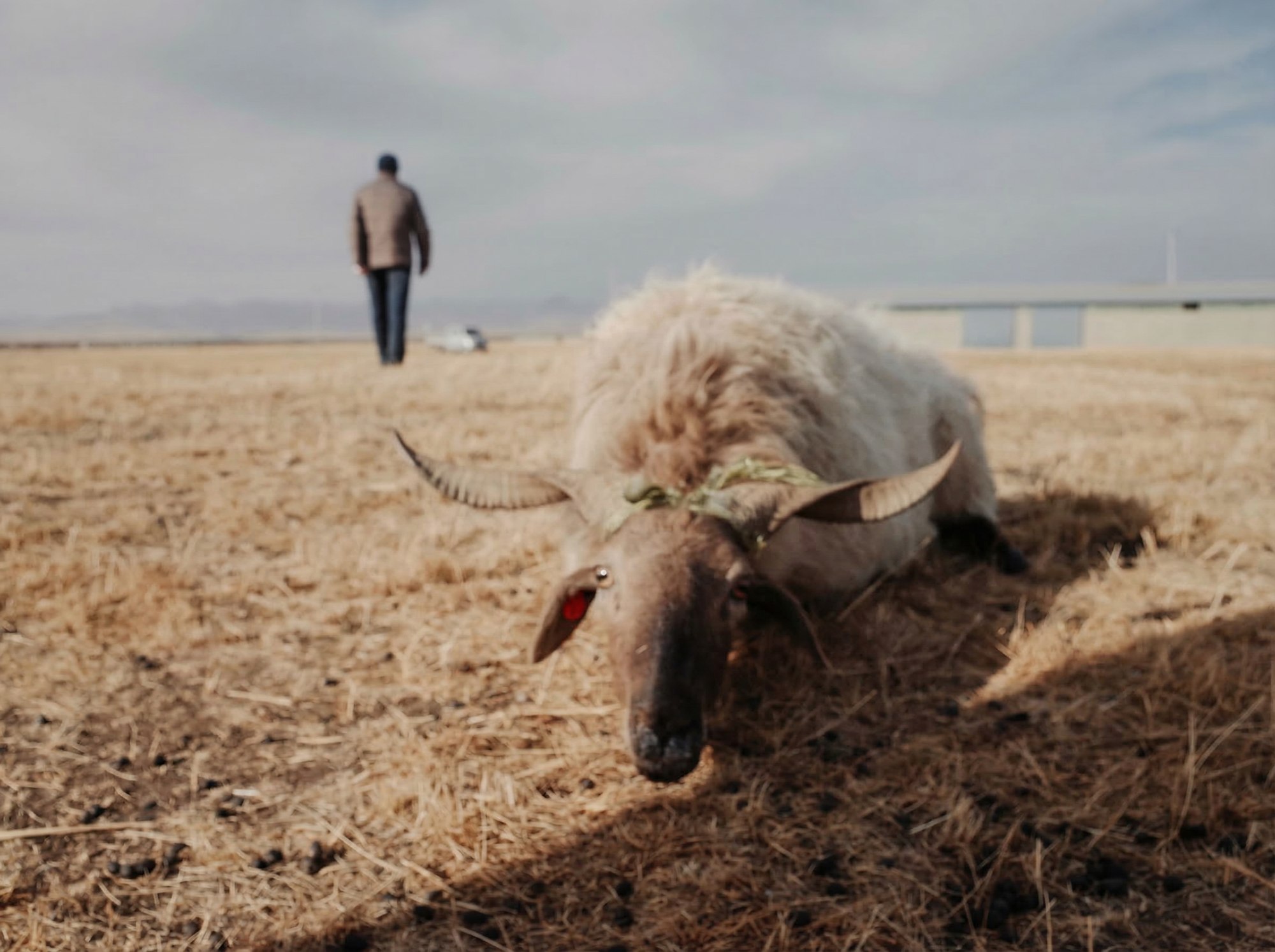
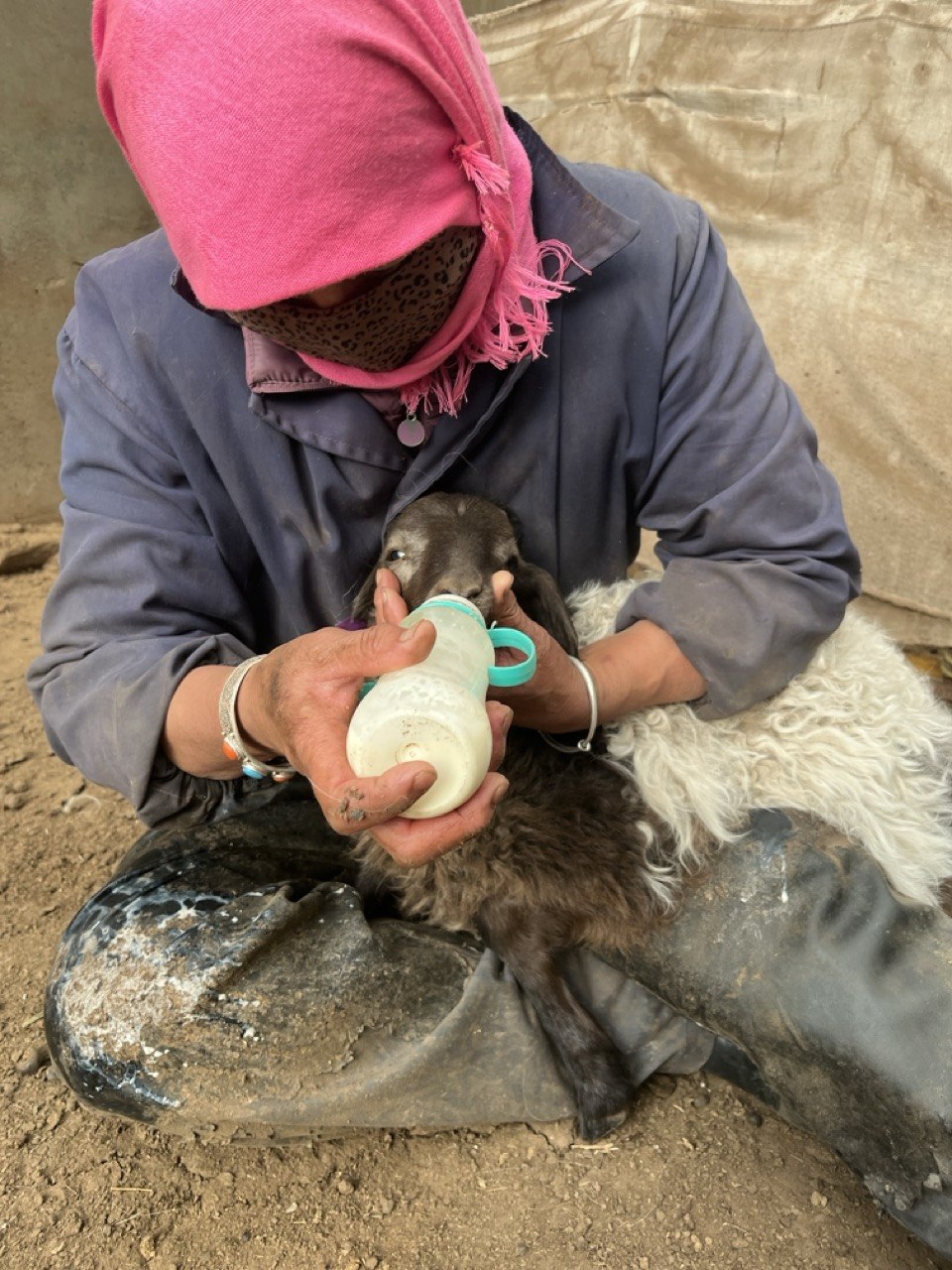
In winter, the flock had already returned to the pen, but one ewe remained lying on the grass. Her lamb stayed beside her until we came very close; only then did it look back at its mother and run toward the flock. The herder examined her, and we tried to lift her from both ends, but her hind legs kept trembling. In the end, we had to drive her back to the pen. She never stood up again. A few days later, the ewe died. Her lamb was identified among the flock and brought to a pen behind the house to be hand-fed.
Heading to the Rented Pasture
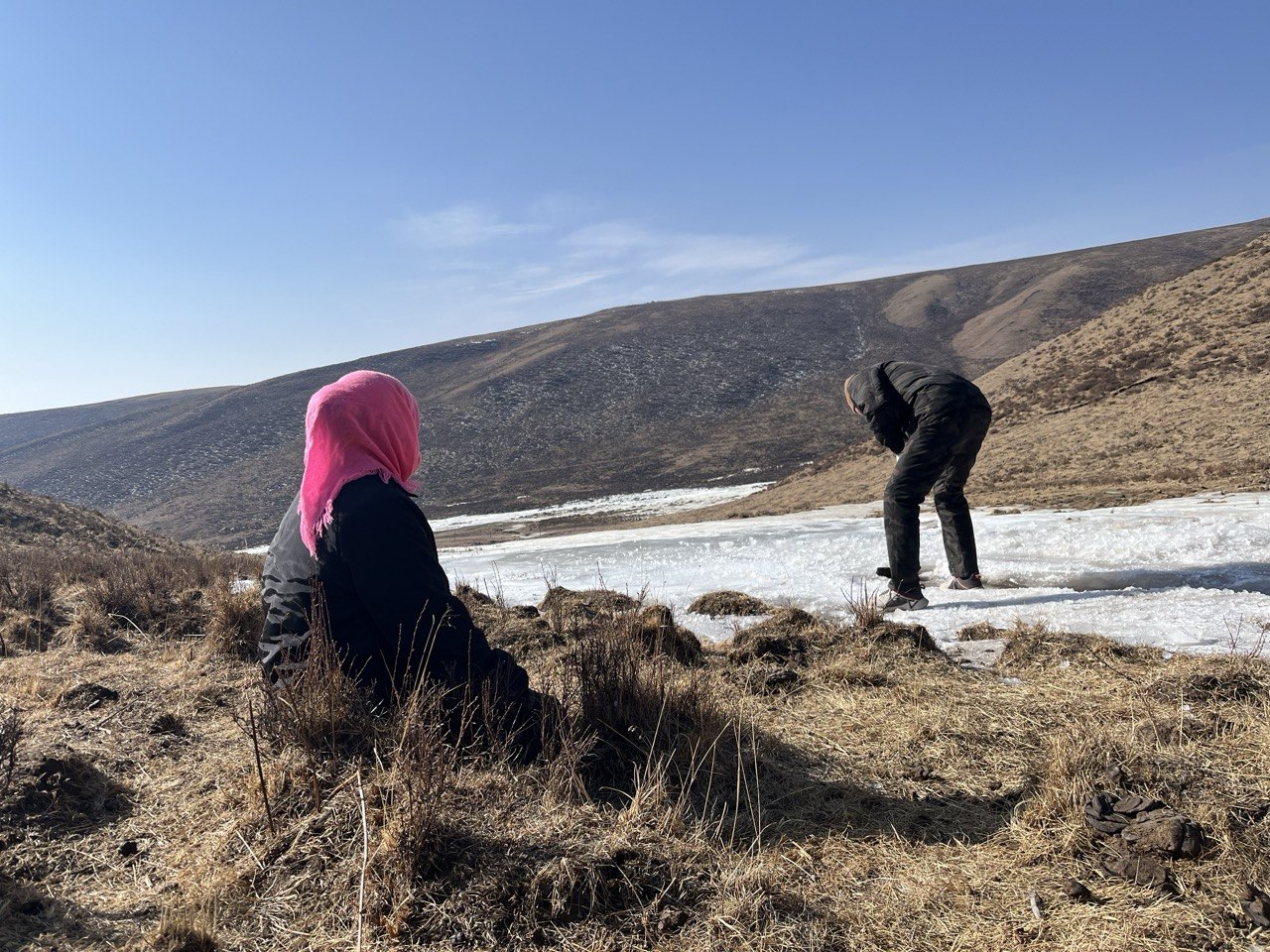
The spring had frozen over.
The herder broke through the ice layer by layer so the livestock could continue to drink. His wife rested nearby and began to sing.
“Let me see what you’ve been photographing.”
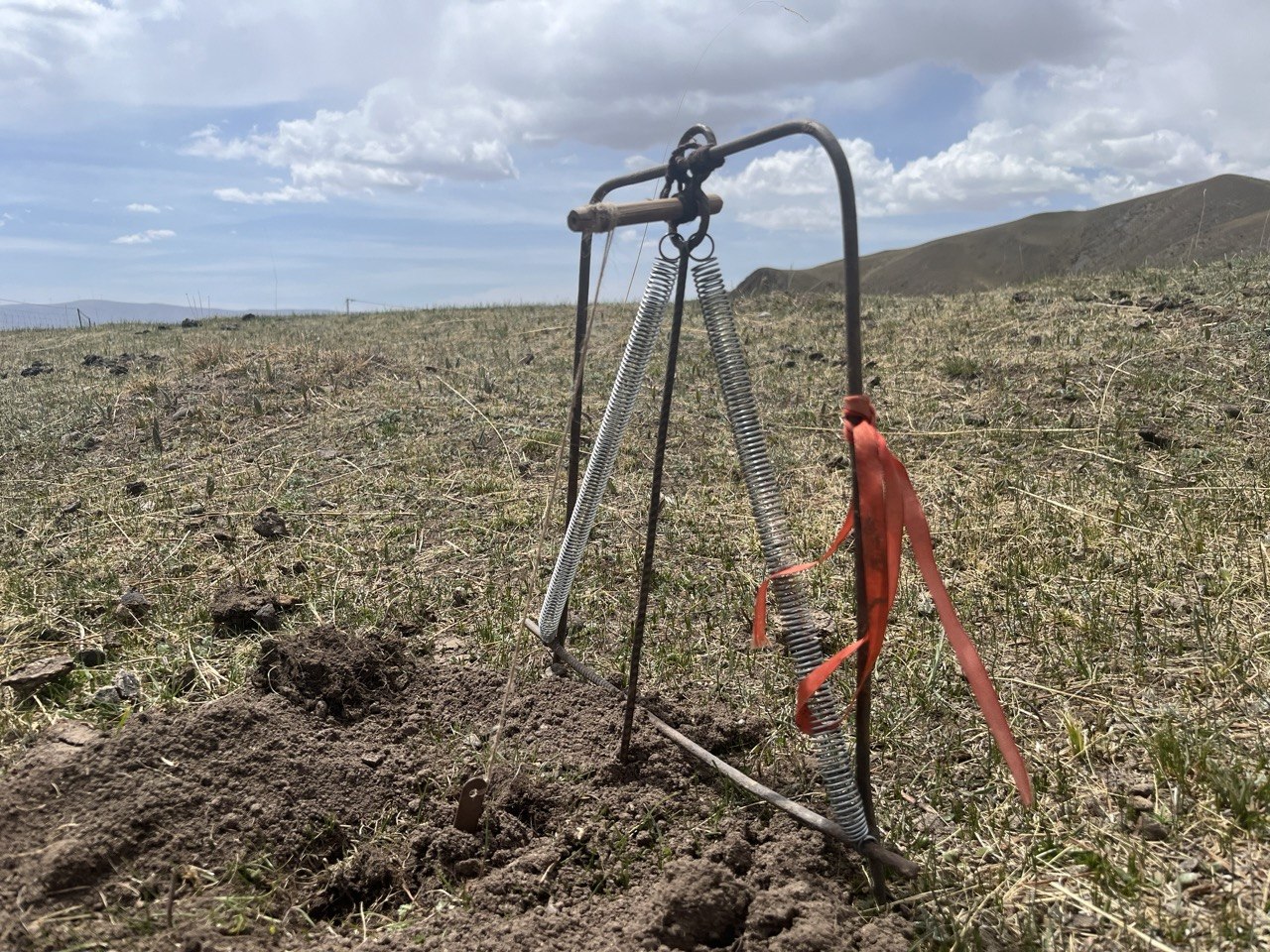
“Catch the mouse, catch the blind mouse!”
“You’re our guests!
Come inside and have some tea first!”
“We used to leave in the morning and not come home until evening. Now we can let them out in the morning and come back home to lie down.”
“There won’t be enough grass if we keep this many sheep. Better to sell the ones that should be sold.”
Summer.
Grassland.
Playing House.
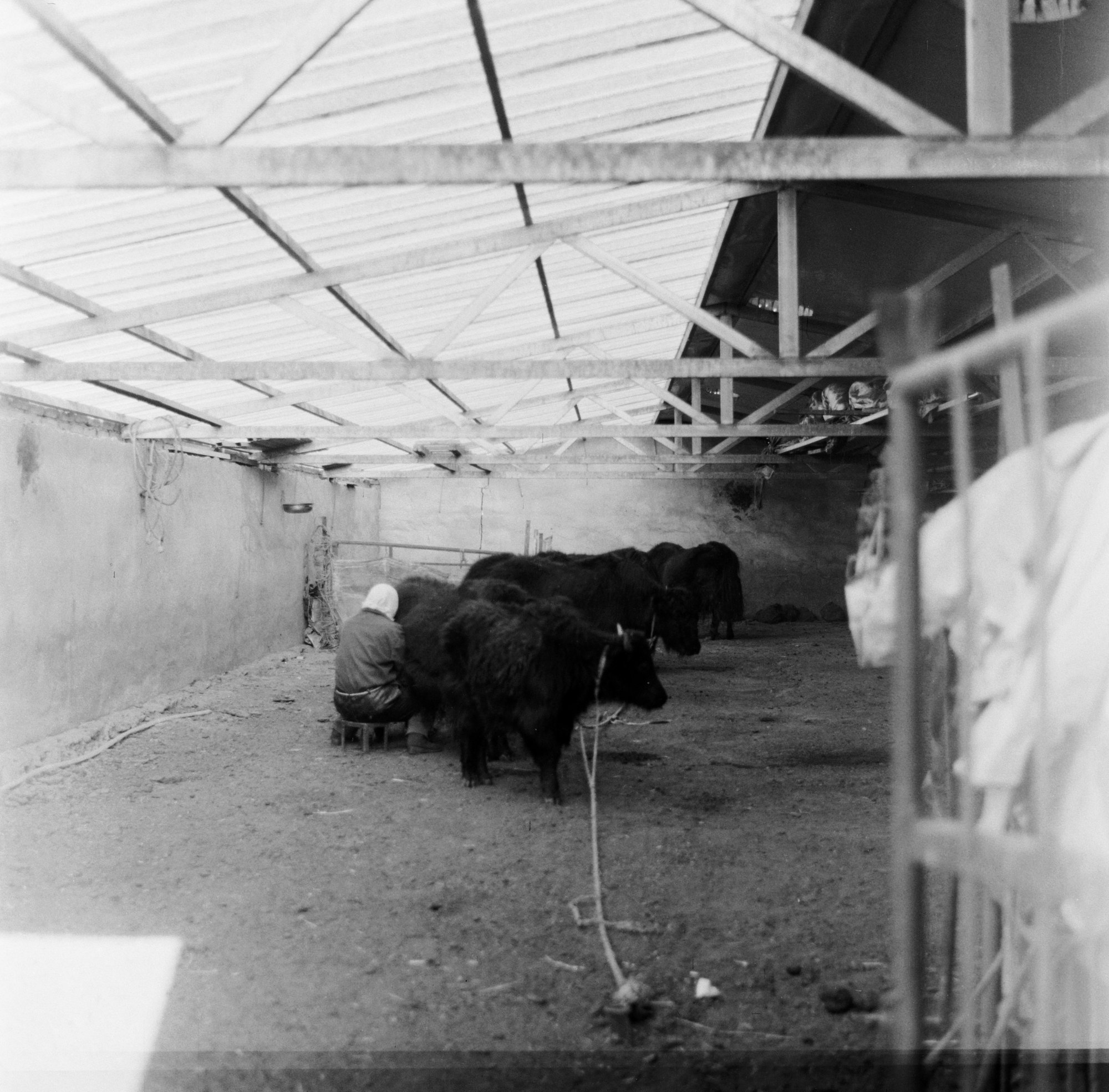
Milking did not go smoothly that morning. A cow kicked over the bucket, spilling milk onto her trousers.
She did not change her clothes. The remaining freshly drawn yak milk was still warm. She poured it into a bottle and carried it over to feed the lamb that had lost its mother.
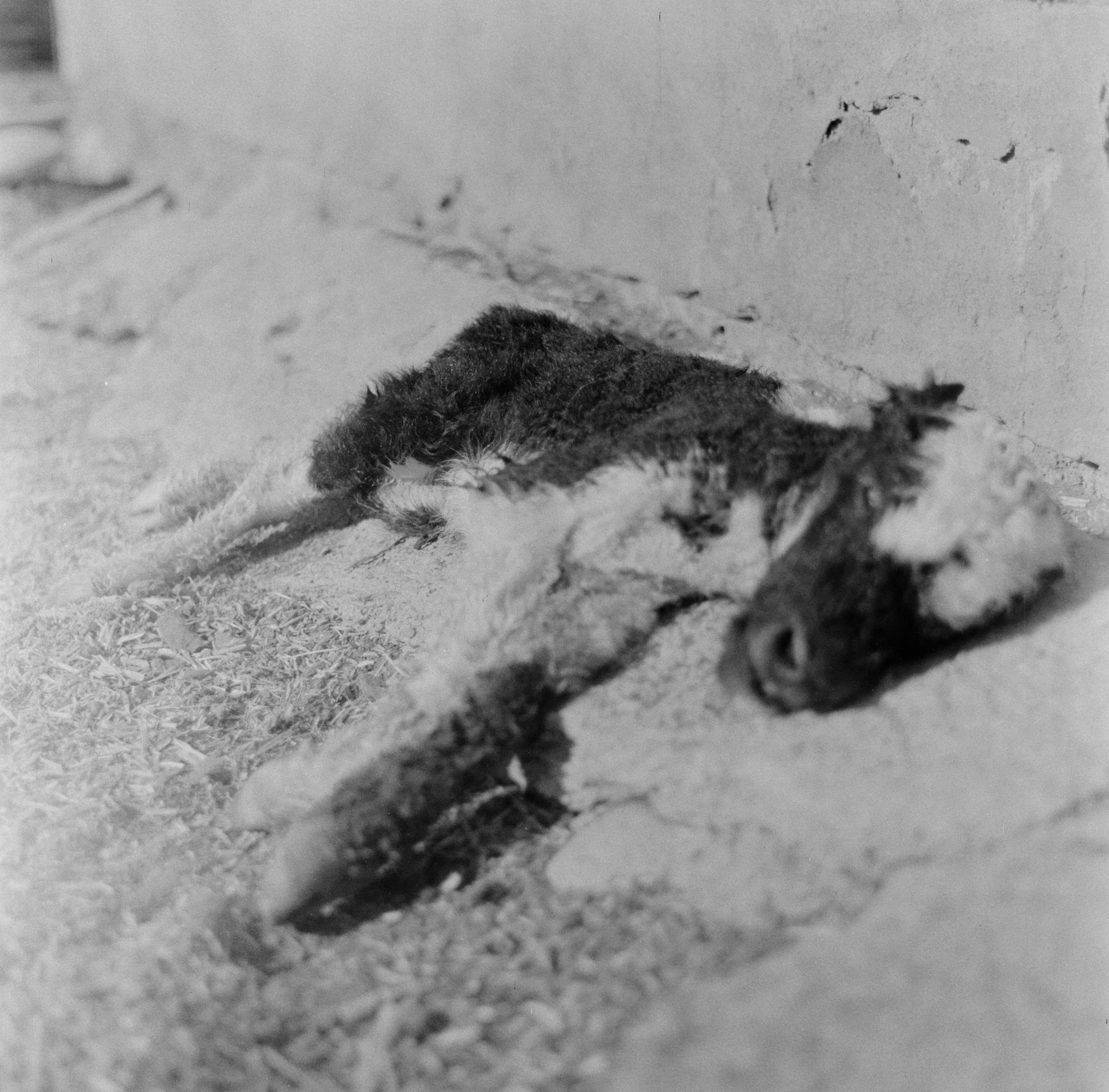
A calf died during a difficult birth in the middle of the night. Its mother had recently been attacked by wolves in the mountains; her owner stitched her wounds and treated her with antibiotics. The herders thought the calf might already have died during the attack.
When the cowshed was opened the next morning, the mother was still licking the calf’s cold body. A thin layer of frost had formed on its nose.
“This One’s a Repeat Offender.”
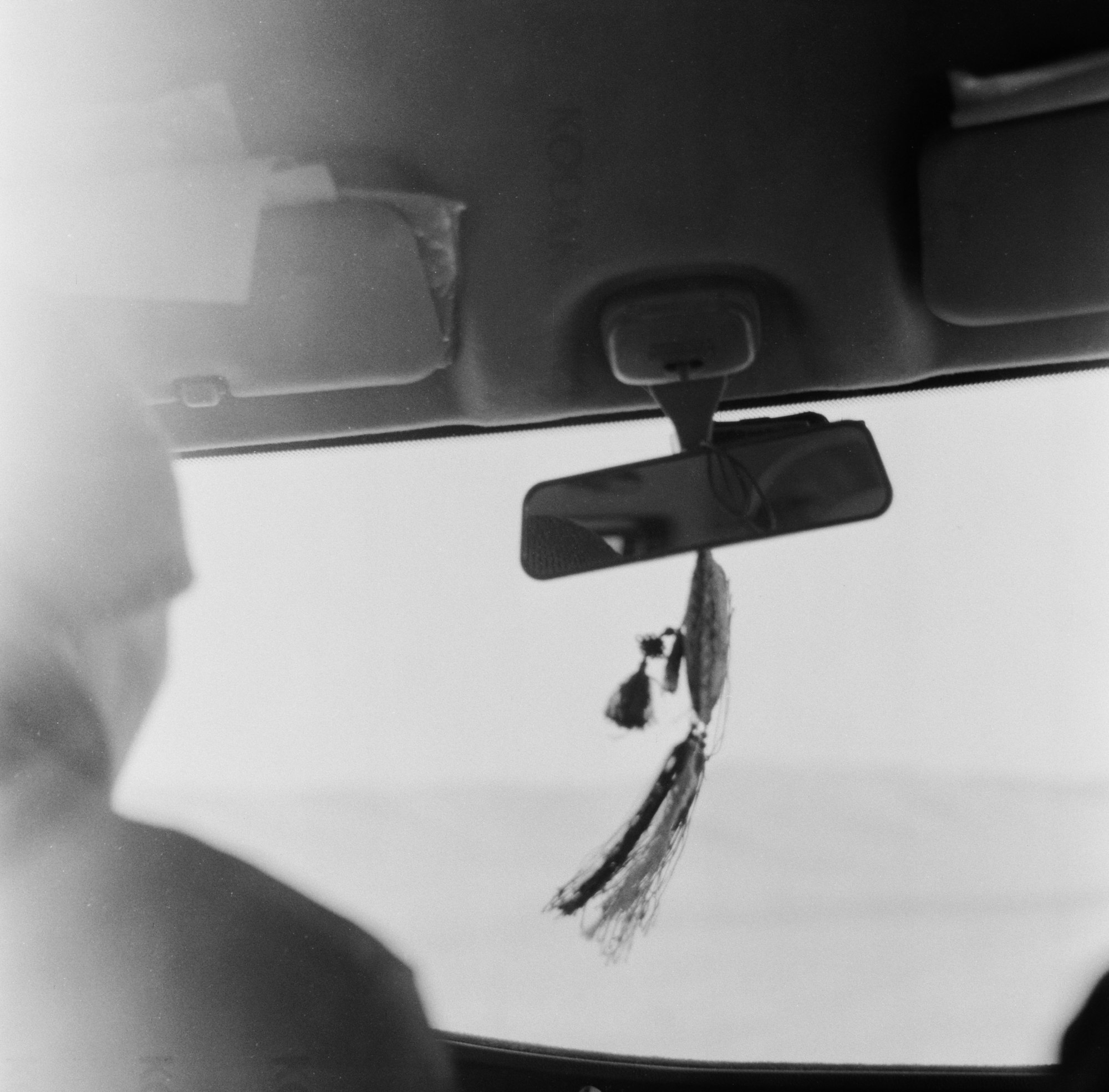
From the junction beside the shop, the road climbs toward the summer pastures and autumn camps used by many families in the village. We stop while our host buys some snacks, then continue uphill. Today is moving day, from the summer pasture to the autumn pasture.